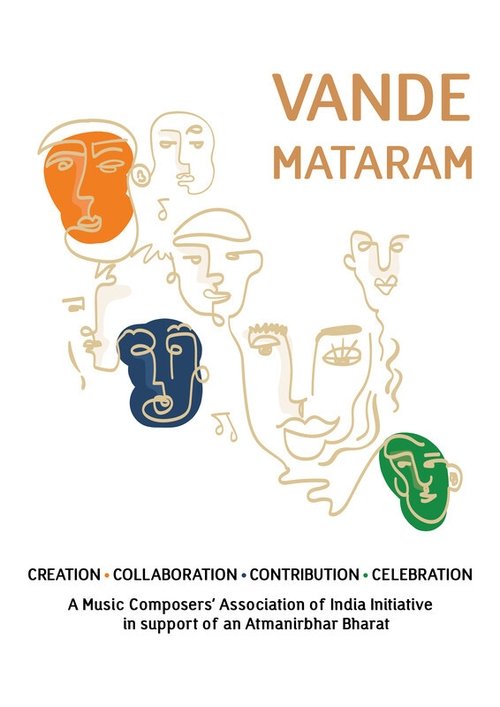
I Bow To Thee O Mother(2021)
Hindi4 mins
I Bow To Thee O Mother (2021) is a 4-minute Hindi film directed by Aashish Rego. Starring Aashish Rego. With an audience rating of 2.9/10, I Bow To Thee O Mother stands as one of the notable Hindi releases of 2021.
Director:Aashish Rego
Mood:
emotionalinspiringuplifting
Where to watch:
OTT availability not confirmed yet. Check Netflix · Prime Video · Hotstar · ZEE5
Quick Facts
- Theatrical Release
- 4 December 2021
- Director
- Aashish Rego
- Language
- Hindi
- Runtime
- 4m
- GudVibe Rating
- 2.9/10
Storyline
This song title is taken from a poem by Bankim Chandra Chattopadhyay that became the cry for the Indian Freedom struggle and later the National song of India. This rendition of Vande Mataram was composed, written and filmed in the peak of the Covid 19 Lockdown in India.
“A nation's anthem, born from lockdown silence.”
Film Details
2.9Rating
4Minutes
HindiLanguage
Release Date4 December 2021
Parental Guide
Violence
Mild
Language
Low
Sex / Nudity
Mild
Drugs
Mild
Intensity
Mild
Vibe & Tags
Mood
emotionalinspiringuplifting
Themes
identitysurvival
Tonepoetic
Pacingslow-burn
Complexitylight
Audiencefamily
Best Withfamily
Violence1
Emotion5
Humor1
Rewatchability4
Reviews & Ratings
Your Rating
2.9/10Rating
Please Register/ Login to rate the movie I Bow To Thee O Mother
Cast & Crew
#1
A
Aashish RegoDirector
→Photos Gallery
No Photos Found
Videos Gallery
No Videos Found
Trivia
- The song was filmed entirely during India's strict COVID-19 lockdown in 2020, with all contributors recording their parts remotely from isolation.
- It features a choir of over 75 singers from across India, assembled virtually, representing diverse Indian languages and musical traditions.
- The video intercuts the performance with archival footage from India's independence movement, directly linking the song to its historical roots.
- Director Aashish Rego also served as the composer and lyricist for this specific rendition, making it a personal project.
- The production faced technical challenges like synchronizing audio and video from dozens of different home recordings with varying internet quality.
- Unlike many film songs, this version was created as a standalone patriotic tribute and was not part of any feature film soundtrack.
- The poem's author, Bankim Chandra Chattopadhyay, first published it in his 1882 novel 'Anandamath', which was set against a monk rebellion.