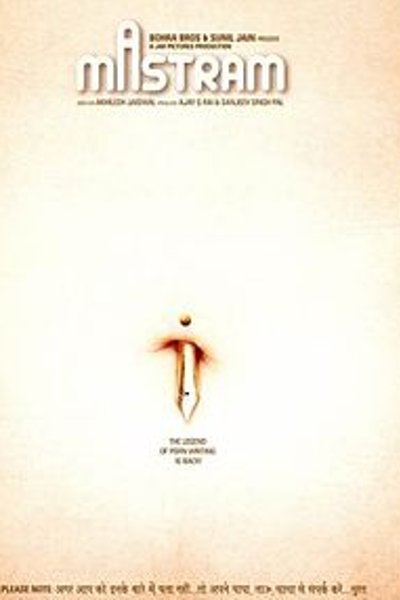
Mastram(2014)
Hindi99 mins
Mastram (2014) is a 99-minute Hindi film directed by Akhilesh Jaiswal. Starring Rahul Bagga, Tara Alisha Berry and Gavemic U Ary. With an audience rating of 4.8/10, Mastram stands as one of the notable Hindi releases of 2014.
Director:Akhilesh Jaiswal
Mood:
emotionaldarkinspiring
Where to watch:
OTT availability not confirmed yet. Check Netflix · Prime Video · Hotstar · ZEE5
Quick Facts
- Theatrical Release
- 9 May 2014
- Director
- Akhilesh Jaiswal
- Language
- Hindi
- Runtime
- 1h 39m
- GudVibe Rating
- 4.8/10
Storyline
Rajaram works as a bank clerk in a small town. He dreams of moving to Delhi and becoming a famous author. Only his wife, Renu, supports his writing ambitions.
“A small-town dreamer writes his way to fame.”
Film Details
4.8Rating
99Minutes
HindiLanguage
Release Date9 May 2014
Release Typetheatrical
Parental Guide
Violence
Low
Language
Low
Sex / Nudity
Mild
Drugs
Mild
Intensity
Low
Vibe & Tags
Mood
emotionaldarkinspiring
Themes
identityfamilylovecorruption
Tonegritty
Pacingslow-burn
Complexitymoderate
Audienceniche
Best Withalone
Violence2
Emotion4
Humor2
Rewatchability3
Reviews & Ratings
Your Rating
4.8/10Rating
Please Register/ Login to rate the movie Mastram
Cast & Crew

Photos Gallery
No Photos Found
Videos Gallery
No Videos Found
Trivia
- The film is loosely inspired by the life of a famous Hindi pulp fiction writer who used the pen name Mastram.
- Director Akhilesh Jaiswal previously co-wrote the acclaimed crime drama 'Gangs of Wasseypur'.
- The film was shot on location in Gwalior to capture the authentic small-town atmosphere.
- It explores the societal taboo around erotic literature in conservative Indian society.
- The movie had a very limited theatrical release and gained more attention through home video and streaming.
- Actor Rahul Bagga, who plays the lead, had primarily done television work before this film.
- The soundtrack features a song by the popular band 'The Local Train'.
- Despite its adult theme, the film focuses more on the protagonist's creative struggle than explicit content.