Aziz Mirza
Aziz Mirza is an Indian director, best known for Tamil cinema. Aziz Mirza began their career in 1992. With 30 credits to their name and an average audience rating of 6.2, Aziz Mirza remains one of the most prolific and celebrated talents in the industry. Spanning 30+ years, Aziz Mirza's career remains one of the longest and most celebrated in Tamil cinema.
Career Milestones
Film debut
View film →Highest rated: Raju Ban Gaya Gentleman (7.0)
View film →Defining Moments
Directorial Debut
Directed his first feature film, 'Raju Ban Gaya Gentleman', which established his collaboration with Shah Rukh Khan and his signature style of storytelling.
Critical and Commercial Success
Directed the film 'Yes Boss', a successful romantic comedy starring Shah Rukh Khan and Juhi Chawla, further solidifying his reputation.
Production Venture
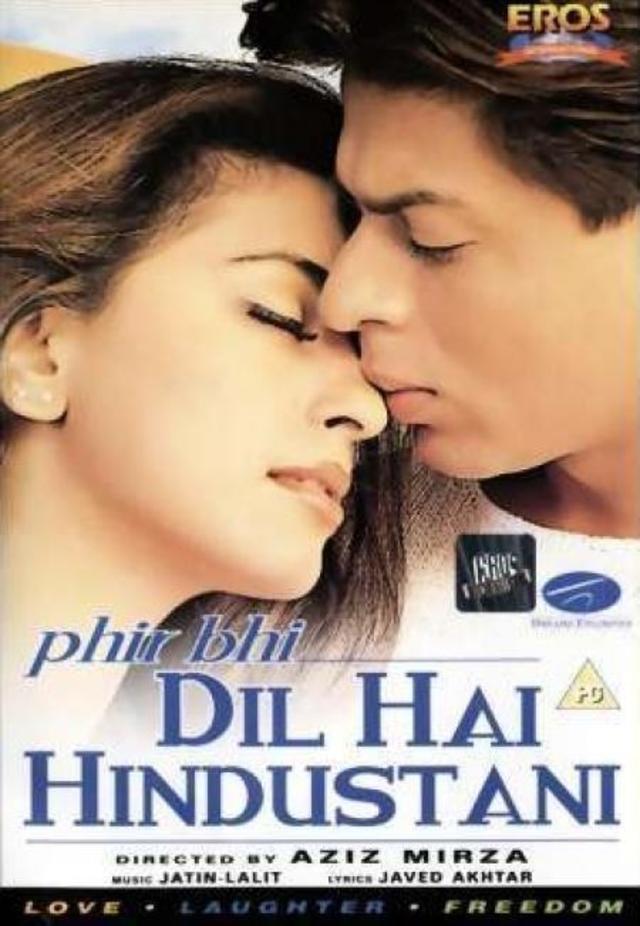
Produced the film 'Phir Bhi Dil Hai Hindustani', marking a significant expansion of his role in the film industry beyond directing.
Aziz Mirza by the Numbers
If you watched every Aziz Mirza film back-to-back, you'd be at it for roughly 11 hours. Most-paired with Shahrukh Khan — 4 films together.
Filmography
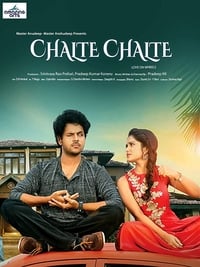
See all 30 credits →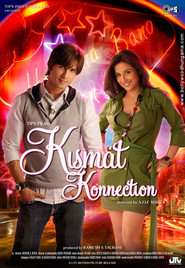
Collaboration Network
The Constellation
Top 4 most-paired collaborators. Bubble size and line thickness reflect how many films they share with Aziz Mirza.
Career Analytics
Genre Breakdown
Language Distribution
Films by Decade
Top Co-Actors
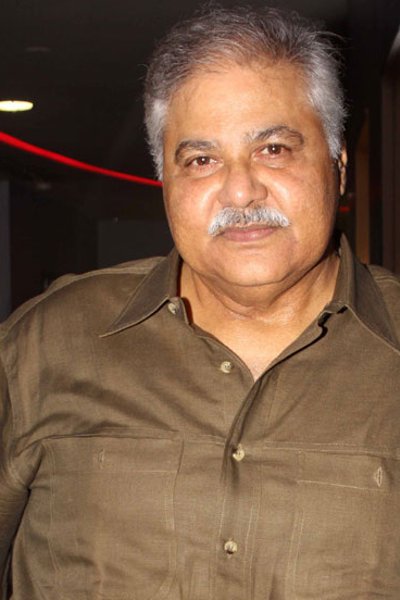
See all →Aziz Mirza has worked most frequently with Shahrukh Khan (4 films), Juhi Chawla (4 films), Satish Shah (2 films), and Binod Pradhan (2 films).



Did You Know?
Aziz Mirza is an Indian film director, producer, and screenwriter known for his work in Hindi cinema.
He co-founded the production company 'Dreamy Uncles' with his frequent collaborator, actor Shah Rukh Khan.
He directed the popular television series 'Circus' in the late 1980s, which featured Shah Rukh Khan in an early role.
His directorial debut in feature films was 'Raju Ban Gaya Gentleman' (1992), starring Shah Rukh Khan and Juhi Chawla.
He is known for directing light-hearted, romantic comedies that often explore the lives of common people.
Legacy & Influence
Aziz Mirza is a pivotal figure in the evolution of modern Hindi cinema, particularly recognized for his foundational role in shaping the 'middle-of-the-road' urban romantic comedy and drama in the 1990s. His career trajectory is deeply intertwined with the rise of a new, relatable storytelling in Bollywood. Beginning his career in television, he co-created the iconic and groundbreaking show "Nukkad" (1986), which showcased his early commitment to narratives centered on common people and everyday life. This ethos carried into his film career. Alongside close collaborators like Shah Rukh Khan, he co-founded the production house Dreamz Unlimited. His directorial debut, "Raju Ban Gaya Gentleman" (1992), was instrumental in establishing Shah Rukh Khan's early 'everyman' persona and explored themes of ambition and integrity in a rapidly liberalizing India with a gentle, humorous touch. Mirza followed this with "Yes Boss" (1997), a sharp yet comedic critique of corporate ethics and personal compromise, further solidifying his niche. His film "Phir Bhi Dil Hai Hindustani" (2000), while not a commercial success, was a brave and early Bollywood satire on media sensationalism. His final directorial venture, "Chalte Chalte" (2003), is considered a classic of the genre, portraying a nuanced, turbulent marital relationship with remarkable realism and emotional depth, a significant departure from the melodramatic norms of the time. Mirza's primary contribution lies in his consistent authorial voice—he crafted films that were commercially viable yet grounded, character-driven, and reflective of contemporary urban anxieties and romances. He moved away from the action-packed or family-saga templates of the 80s and early 90s, helping to create a space for simpler, conversation-driven narratives about working professionals. His work, characterized by warmth, wit, and social observation, paved the way for the wave of realistic urban cinema that flourished in the 2000s and beyond. His legacy is that of a quiet pioneer who, with a small but impactful filmography, redefined the scope of the mainstream Hindi film romance and comedy.