Pankaj Parashar
Pankaj Parashar is an Indian director, best known for Tamil cinema. Pankaj Parashar began their career in 1984. With 30 credits to their name, Pankaj Parashar remains one of the most prolific and celebrated talents in the industry. Spanning 40+ years, Pankaj Parashar's career remains one of the longest and most celebrated in Tamil cinema.
Career Milestones
Film debut
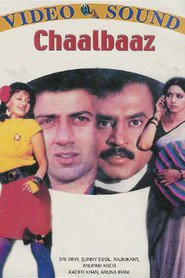
View film →Highest rated: ChaalBaaz (7.3)
View film →Pankaj Parashar by the Numbers
If you watched every Pankaj Parashar film back-to-back, you'd be at it for roughly 1 day and 1h. Most-paired with Anupam Kher — 4 films together.
Filmography
See all 30 credits →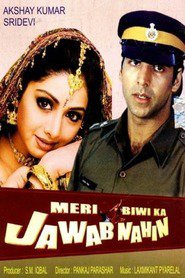
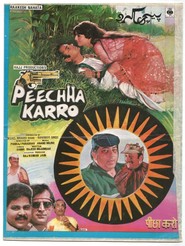

Collaboration Network
The Constellation
Top 10 most-paired collaborators. Bubble size and line thickness reflect how many films they share with Pankaj Parashar.
Career Analytics
Genre Breakdown
Language Distribution
Films by Decade
Top Co-Actors
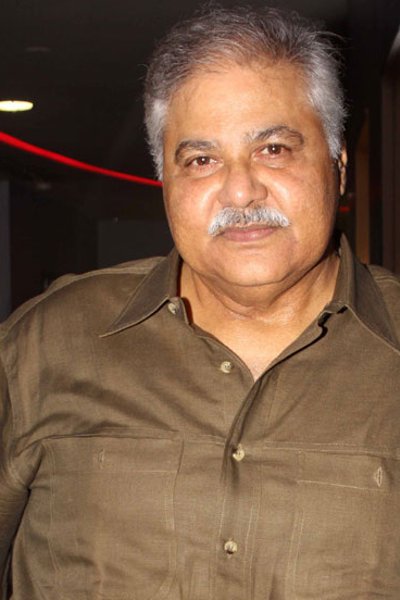
See all →Pankaj Parashar has worked most frequently with Anupam Kher (4 films), Naseeruddin Shah (3 films), Sridevi (2 films), Danny Denzongpa (2 films), and Satish Kaushik (2 films).








Legacy & Influence
Pankaj Parashar is a significant figure in Indian cinema, primarily recognized as a director and screenwriter who carved a distinct niche in the late 1980s and 1990s. His career trajectory is marked by a bold, unconventional approach that blended satire, social commentary, and mainstream entertainment, often challenging cinematic norms of his time. Parashar's most enduring contribution remains his 1987 directorial debut, 'Jalwa', starring Naseeruddin Shah. The film was a sharp, stylistic satire on the emerging consumerist culture and media sensationalism in urban India. Its innovative narrative structure, dark humor, and memorable soundtrack, particularly the iconic song 'Hawa Hawaai', left a lasting impression. He followed this with 'ChaalBaaz' (1989), a hugely successful comedy that showcased Sridevi in a dual role, cementing his reputation for crafting commercially viable yet spirited films with strong central performances. His work often featured vibrant, larger-than-life characters and tackled themes of identity, societal hypocrisy, and empowerment with a playful, sometimes absurdist, touch. Films like 'Pyar Ka Devta' (1991) and 'Banarsi Babu' (1997) further demonstrated his flair for comedy and drama. While his output slowed in later decades, his early films are remembered for their energetic direction, memorable music collaborations (especially with Bappi Lahiri), and their ability to package subversive ideas within the masala film framework. Parashar's legacy lies in proving that mainstream Hindi cinema could accommodate pointed satire and stylistic experimentation without sacrificing entertainment value, influencing a wave of filmmakers who later explored similar blends of genre and commentary.