Rajat Mukherjee
Rajat Mukherjee is an Indian director, best known for Tamil cinema. Rajat Mukherjee began their career in 2001. With 30 credits to their name, Rajat Mukherjee remains one of the most prolific and celebrated talents in the industry. An emerging voice in Tamil cinema, Rajat Mukherjee is already attracting significant attention for their distinctive work.
Career Milestones
Film debut
View film →Highest rated: Road (6.7)
View film →Rajat Mukherjee by the Numbers
If you watched every Rajat Mukherjee film back-to-back, you'd be at it for roughly 4 hours. Most-paired with Rajpal Yadav — 2 films together.
Filmography
See all 30 credits →
Collaboration Network
Career Analytics
Genre Breakdown
Language Distribution
Films by Decade
Top Co-Actors
See all →Rajat Mukherjee has worked most frequently with Rajpal Yadav (2 films).
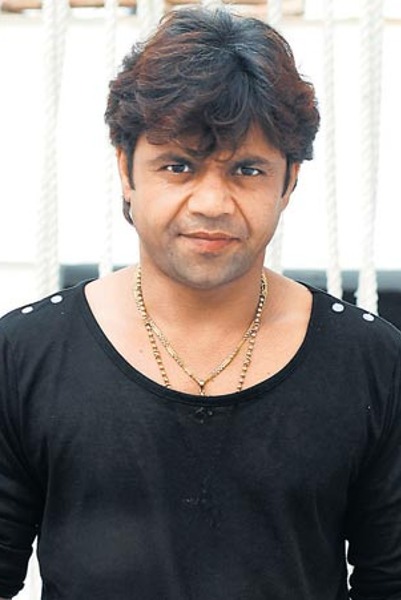
Legacy & Influence
Rajat Mukherjee is a significant figure in Indian cinema, primarily recognized for his work as a director and cinematographer. His career trajectory is marked by a distinct visual style and a willingness to explore diverse genres, contributing to the technical and narrative evolution of Hindi filmmaking in the late 1990s and early 2000s. Mukherjee first gained major attention as the cinematographer for the cult classic 'Satya' (1998), directed by Ram Gopal Varma. His gritty, realistic, and atmospheric camerawork was instrumental in defining the film's raw aesthetic, which became a hallmark of the Indian parallel cinema movement of that era. This contribution helped reshape the visual language of urban crime dramas in India. He transitioned to direction with the film 'Pyaar Tune Kya Kiya' (2001), a psychological thriller that explored obsessive love and urban relationships. The film, noted for its bold themes and stylized treatment, further cemented his reputation for crafting intense, mood-driven narratives. His subsequent directorial venture, 'Road' (2002), was an experimental horror-thriller that, while not a major commercial success, showcased his ambition to push genre boundaries within mainstream cinema. Mukherjee's later work includes directing episodes for television series and the film 'Mumbai Cutting' (2010), a collaborative anthology. His overall contribution lies in his role as a cinematographer who helped pioneer a new wave of realistic imagery and as a director who brought a distinct, often dark and psychological, sensibility to his projects, influencing a generation of filmmakers interested in genre experimentation and visual storytelling.