Neeta Mehta
Neeta Mehta is an Indian actor, best known for Tamil cinema. Neeta Mehta began their career in 1979. With 30 credits to their name, Neeta Mehta remains one of the most prolific and celebrated talents in the industry. Spanning 40+ years, Neeta Mehta's career remains one of the longest and most celebrated in Tamil cinema.
Career Milestones
Film debut
View film →Highest rated: Mujhe Vachan Do (8.0)
View film →Neeta Mehta by the Numbers
If you watched every Neeta Mehta film back-to-back, you'd be at it for roughly 18 hours. Most-paired with Vijayendra Ghatge — 4 films together.
Filmography
See all 30 credits →Collaboration Network
The Constellation
Top 8 most-paired collaborators. Bubble size and line thickness reflect how many films they share with Neeta Mehta.
Career Analytics
Language Distribution
Films by Decade
Top Co-Actors
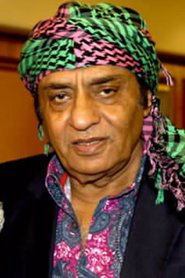
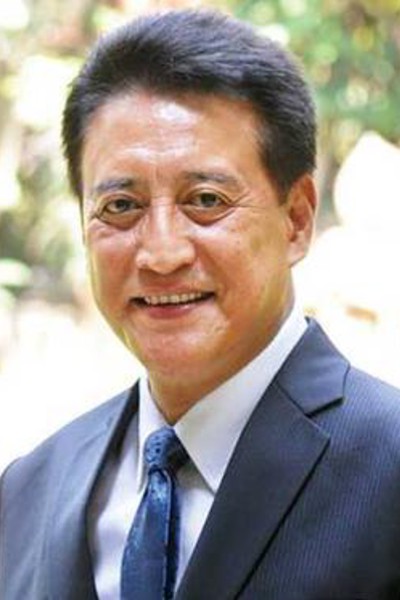
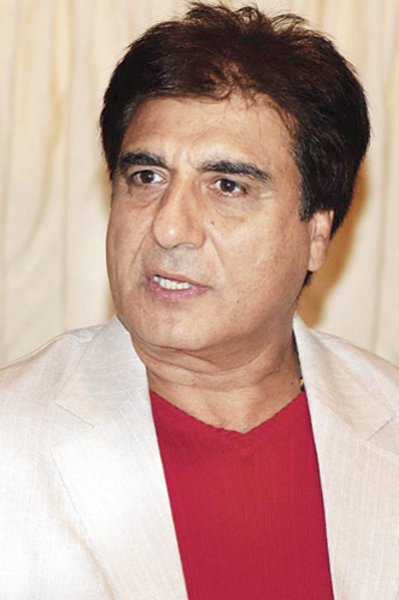
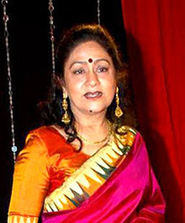
See all →Neeta Mehta has worked most frequently with Vijayendra Ghatge (4 films), Ranjeet (3 films), Danny Denzongpa (2 films), Ranjeeta Kaur (2 films), and Raj Babbar (2 films).

Legacy & Influence
Neeta Mehta's career in Indian cinema, though not extensively documented, represents the contributions of numerous supporting and character actors who formed the essential fabric of Hindi films from the late 1970s through the 1990s. Appearing in films like 'Shaayad' (1979) and 'Nazrana Pyar Ka' (1980), she operated during an era defined by the peak of the masala film and the subsequent rise of more nuanced, middle-of-the-road cinema. Her filmography, which includes the socially conscious 'Mujhe Vachan Do' (1983) and the women-centric anthology 'Aurat Aurat Aurat' (1996), suggests a trajectory aligned with projects that often addressed social themes or focused on female narratives, even if in smaller roles. Actors like Mehta provided crucial depth to cinematic ensembles, portraying the friends, family members, and societal figures that grounded the stories and made the worlds of these films believable. Their consistent, reliable presence in supporting capacities was vital for the industry's ecosystem, allowing lead narratives to flourish within a populated and realistic context. While specific accolades or landmark performances are not publicly verifiable, the sustained work across decades indicates a professional dedication that supported the broader infrastructure of film production. Her contribution lies in this very act of participation—adding texture and authenticity to the cinematic landscape without necessarily occupying the spotlight. This pattern of work is emblematic of many artists whose collective efforts have sustained the volume and variety of Indian cinema, ensuring a continuous output of stories that reflected diverse aspects of life, even as individual fame remained limited.