Saeed Akhtar Mirza
Saeed Akhtar Mirza is an Indian director, best known for Tamil cinema. Saeed Akhtar Mirza began their career in 1980. With 30 credits to their name and an average audience rating of 7.5, Saeed Akhtar Mirza remains one of the most prolific and celebrated talents in the industry. Spanning 40+ years, Saeed Akhtar Mirza's career remains one of the longest and most celebrated in Tamil cinema.
Career Milestones
Film debut
View film →Highest rated: Albert Pinto Ko Gussa Kyoon Aata Hai (7.5)
View film →Defining Moments
Debut and National Award
Won the National Film Award for Best First Film of a Director for his debut feature 'Arvind Desai Ki Ajeeb Dastaan'.
Pioneering Television Work
Co-created and directed the influential and beloved television series 'Nukkad', focusing on street life.
Final Feature Film
Directed his last feature film, 'Naseem', set against the backdrop of the Babri Masjid demolition.
Saeed Akhtar Mirza by the Numbers
If you watched every Saeed Akhtar Mirza film back-to-back, you'd be at it for roughly 7 hours. Most-paired with Rohini Hattangadi — 2 films together.
Filmography
See all 30 credits →Collaboration Network
The Constellation
Top 2 most-paired collaborators. Bubble size and line thickness reflect how many films they share with Saeed Akhtar Mirza.
Career Analytics
Language Distribution
Films by Decade
Top Co-Actors
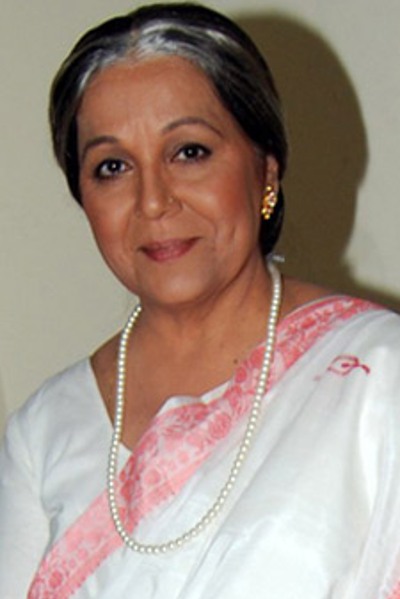
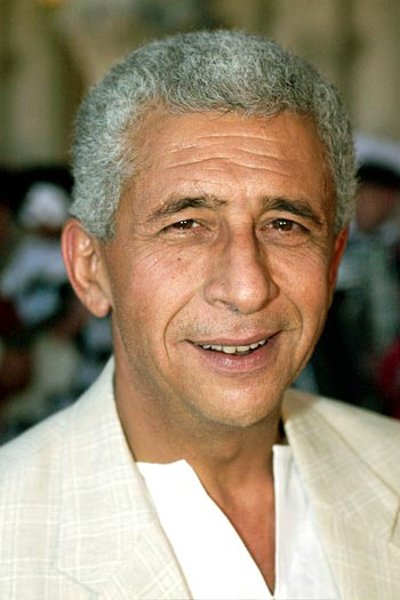
See all →Saeed Akhtar Mirza has worked most frequently with Rohini Hattangadi (2 films), and Naseeruddin Shah (2 films).
Did You Know?
Saeed Akhtar Mirza is an Indian film director and screenwriter known for his work in parallel cinema.
He was part of the influential 'New Indian Cinema' movement of the 1970s and 1980s.
He is the son of writer and poet Akhtar Mirza.
He directed the acclaimed film 'Albert Pinto Ko Gussa Kyoon Aata Hai' (1980).
He also directed 'Mohan Joshi Hazir Ho!' (1984), a satire on the legal system.
Legacy & Influence
Saeed Akhtar Mirza is a seminal figure in the Indian parallel cinema movement of the 1970s and 1980s. A writer and director, his work is characterized by a sharp, empathetic focus on the marginalized, the urban working class, and the socio-political fractures in Indian society. His career trajectory began with writing for films like 'Garam Hawa' (1973), a landmark film on the Partition's aftermath. As a director, he forged a distinct voice with a trilogy of films set in Bombay: 'Albert Pinto Ko Gussa Kyoon Aata Hai' (1980), a portrait of working-class angst; 'Salim Langde Pe Mat Ro' (1989), a nuanced look at Muslim identity and criminality in the city's underbelly; and 'Naseem' (1995), a poetic and poignant film set against the backdrop of the Babri Masjid demolition. His television work, notably the groundbreaking serial 'Nukkad' (1986), which he co-created, brought his humanist storytelling to a mass audience, celebrating the lives of a street-corner community. Mirza's contribution lies in his unwavering commitment to secular, progressive ideals and his ability to craft compelling narratives from everyday struggles without resorting to melodrama. His films avoided stars, used realistic dialogue and settings, and presented complex characters who were neither purely heroic nor villainous. This body of work influenced a generation of filmmakers who sought to tell stories of India's streets and its people with authenticity and political consciousness. While he stepped back from active filmmaking after 'Naseem', his legacy endures as a crucial chronicler of post-independence urban India and a moral compass for socially engaged cinema.