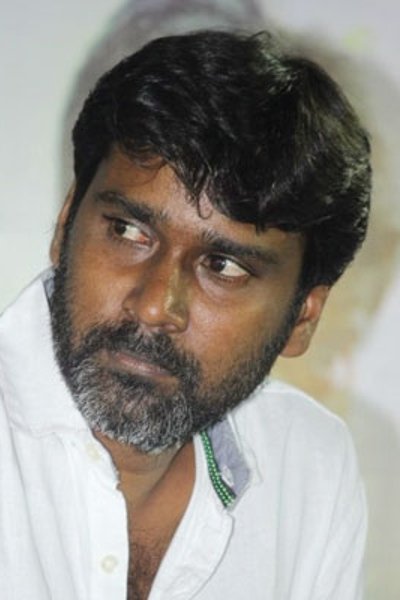
Ravi Arasu
Ravi Arasu is an Indian director, best known for Tamil cinema. Ravi Arasu began their career in 1992. With 30 credits to their name and an average audience rating of 6.8, Ravi Arasu remains one of the most prolific and celebrated talents in the industry. Spanning 30+ years, Ravi Arasu's career remains one of the longest and most celebrated in Tamil cinema.
Career Milestones
Film debut
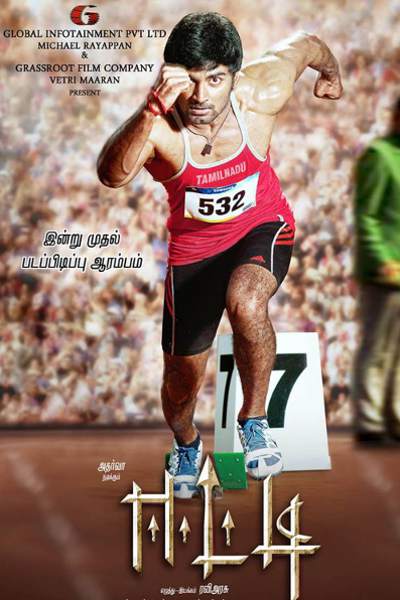
View film →Highest rated: Magudam (7.5)
View film →Ravi Arasu by the Numbers
If you watched every Ravi Arasu film back-to-back, you'd be at it for roughly 7 hours. Most-paired with Aadukalam Naren — 2 films together.
Filmography
See all 30 credits →
Collaboration Network
The Constellation
Top 3 most-paired collaborators. Bubble size and line thickness reflect how many films they share with Ravi Arasu.
Career Analytics
Genre Breakdown
Language Distribution
Films by Decade
Top Co-Actors
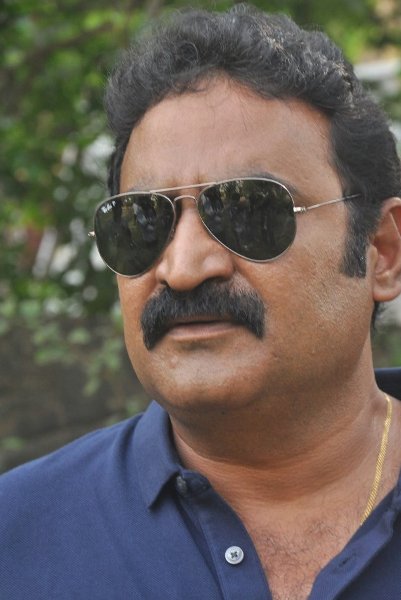
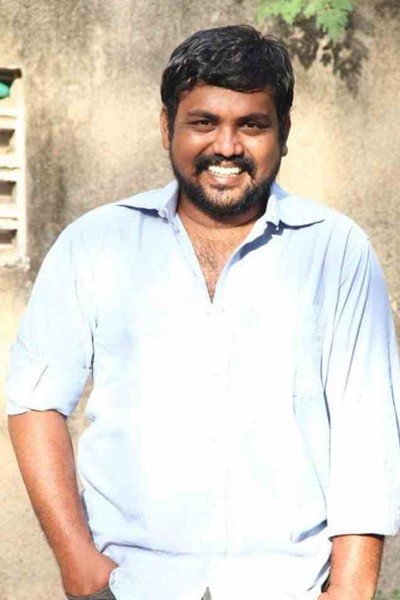
See all →Ravi Arasu has worked most frequently with Aadukalam Naren (2 films), Kaali Venkat (2 films), and G. V. Prakash Kumar (2 films).

Legacy & Influence
Ravi Arasu is a respected cinematographer in the South Indian film industry, primarily known for his work in Tamil cinema. His career trajectory began in the late 1990s, and he established himself as a skilled technician with a strong command over visual storytelling. Arasu's contribution lies in his consistent ability to craft compelling imagery that serves the narrative, often collaborating with prominent directors on significant projects. He gained notable recognition for his cinematography in the critically acclaimed and commercially successful film "Kaakha Kaakha" (2003), directed by Gautham Vasudev Menon. His work on this police action thriller was pivotal, helping to establish its gritty, stylish, and emotionally resonant visual tone, which became a benchmark for the genre in Tamil cinema. Throughout the 2000s, he was a frequent collaborator with director S. Shankar, serving as the cinematographer for major blockbusters like "Anniyan" (2005) and "Sivaji" (2007). His work on these large-scale, technically ambitious films demonstrated his versatility in handling elaborate song sequences, complex visual effects integration, and maintaining visual grandeur. His cinematography in "Sivaji," starring Rajinikanth, was particularly instrumental in realizing the film's larger-than-life aesthetic and was a key component of its massive nationwide success. While his output slowed in subsequent years, his body of work from that era remains influential, showcasing a blend of mainstream commercial sensibility and technical proficiency that supported the visions of leading directors and contributed to the visual language of popular Tamil cinema during its growth period in the early 21st century.