Milind Rau
Milind Rau is an Indian director, best known for Tamil cinema. Milind Rau began their career in 2014. With 30 credits to their name and an average audience rating of 6.5, Milind Rau remains one of the most prolific and celebrated talents in the industry. An emerging voice in Tamil cinema, Milind Rau is already attracting significant attention for their distinctive work.
Career Milestones
Film debut
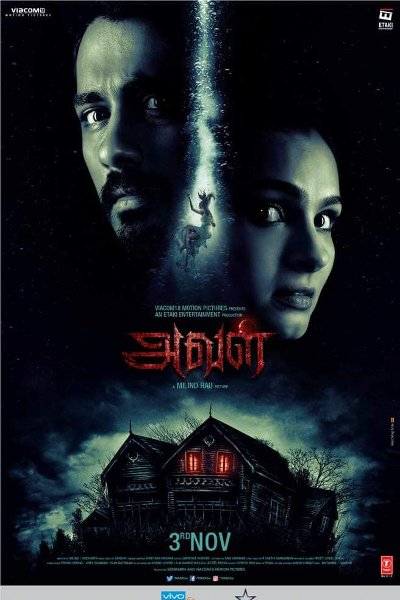
View film →Highest rated: Aval (6.5)
View film →Milind Rau by the Numbers
If you watched every Milind Rau film back-to-back, you'd be at it for roughly 7 hours. Most-paired with Andrea Jeremiah — 2 films together.
Filmography
See all 30 credits →

Collaboration Network
The Constellation
Top 2 most-paired collaborators. Bubble size and line thickness reflect how many films they share with Milind Rau.
Career Analytics
Language Distribution
Films by Decade
Top Co-Actors
See all →Milind Rau has worked most frequently with Andrea Jeremiah (2 films), and Siddharth (2 films).


Legacy & Influence
Milind Rau is a filmmaker whose primary contribution to Indian cinema lies in his work within the horror and thriller genres, particularly in Tamil and Telugu cinema. His career trajectory began not as a director but as a visual effects artist and editor, working on notable projects like the Tamil sci-fi film 'Maayavan' (2017). This technical background significantly informs his directorial style, which emphasizes atmospheric tension, precise pacing, and a strong command over visual storytelling to build suspense. Rau made his directorial debut with the 2021 Tamil horror film 'Netrikann', a remake of the Korean film 'Blind'. While the film received mixed critical reception, it demonstrated his commitment to crafting a mainstream, visually-driven horror experience. His subsequent work includes directing episodes for the Amazon Prime Video horror anthology 'Navarasa' and the 2023 Tamil film 'The Devil', further cementing his niche. Rau's influence is most evident in his approach to genre filmmaking within the South Indian industry. He represents a newer wave of directors who blend technical proficiency, particularly in post-production and effects, with genre conventions to create polished, contemporary horror-thrillers aimed at a pan-Indian streaming audience. His work, while not yet considered landmark, contributes to the ongoing evolution and professionalization of horror as a commercially viable genre in Indian cinema, moving beyond traditional tropes to incorporate more international stylistic and narrative sensibilities. His career illustrates a path from technical craftsman to director, highlighting the increasing importance of post-production expertise in modern Indian genre filmmaking.