Himman Dhamija
Himman Dhamija is an Indian cinematographer, best known for Tamil cinema. Himman Dhamija began their career in 2005. With 30 credits to their name, Himman Dhamija remains one of the most prolific and celebrated talents in the industry. Spanning 20+ years, Himman Dhamija's career remains one of the longest and most celebrated in Tamil cinema.
Career Milestones
Film debut
View film →Highest rated: Happy Patel: Khatarnak Jasoos (8.1)
View film →Himman Dhamija by the Numbers
If you watched every Himman Dhamija film back-to-back, you'd be at it for roughly 21 hours. Most-paired with Priyanka Chopra — 2 films together.
Filmography
See all 30 credits →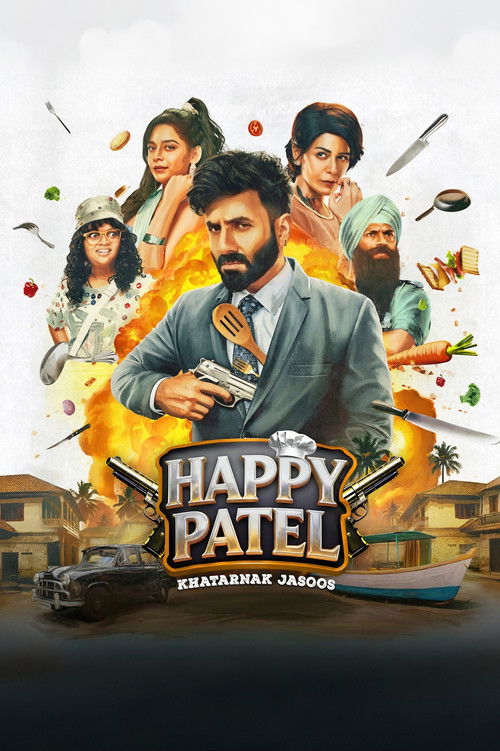


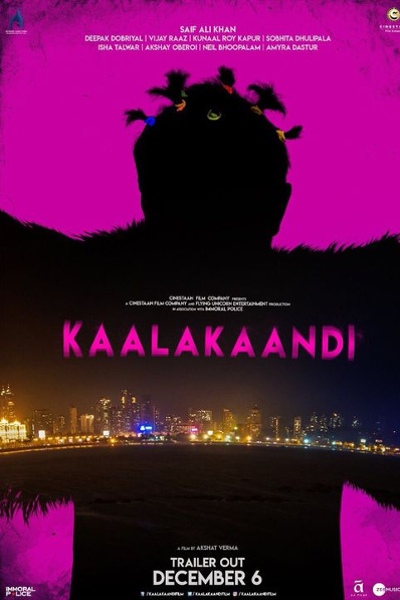
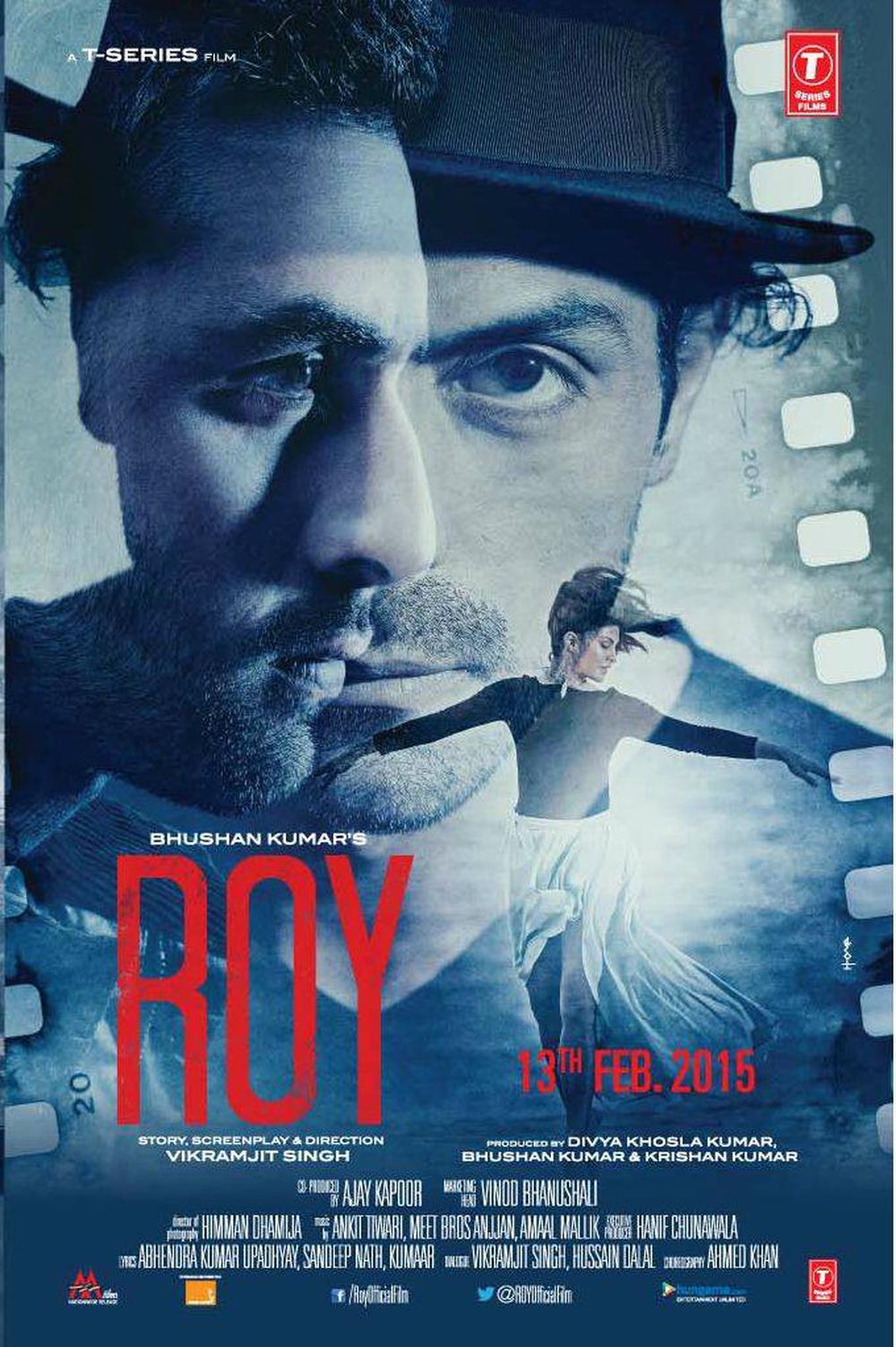

Collaboration Network
The Constellation
Top 7 most-paired collaborators. Bubble size and line thickness reflect how many films they share with Himman Dhamija.
Career Analytics
Genre Breakdown
Language Distribution
Films by Decade
Top Co-Actors
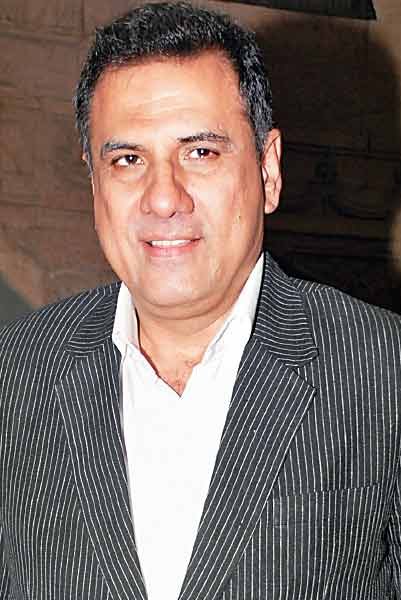
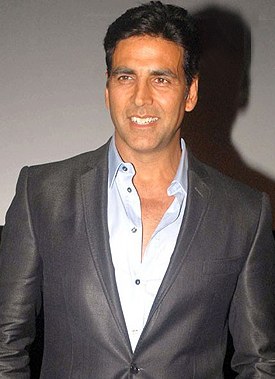
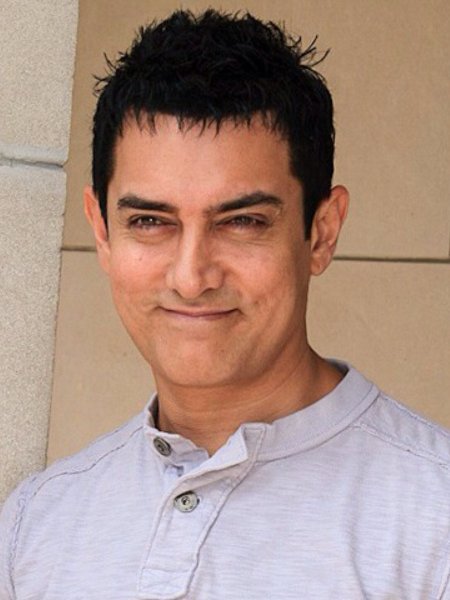
See all →Himman Dhamija has worked most frequently with Priyanka Chopra (2 films), Boman Irani (2 films), Akshay Kumar (2 films), Riteish Deshmukh (2 films), and Deepak Dobriyal (2 films).




Legacy & Influence
Himman Dhamija is a notable figure in the Indian film industry, recognized primarily for his work as a film producer. His career trajectory is anchored in the production of significant Hindi films that have contributed to the commercial and narrative landscape of Bollywood. Dhamija's most prominent contribution is as the producer of the 2009 action-thriller 'Wanted', starring Salman Khan. This film was a major commercial success and is widely regarded as a pivotal project that revitalized Salman Khan's career, cementing his 'masala' action hero persona that dominated the box office in the subsequent decade. The success of 'Wanted' demonstrated Dhamija's acumen in identifying and backing commercially viable, high-energy projects that resonated strongly with mainstream audiences. His production work extends to other films like 'Fight Club: Members Only' (2006) and 'Mujhse Shaadi Karogi' (2004), where he served as an executive producer, showcasing his involvement in the industry's production machinery during a key period. While not a prolific producer with an extensive filmography, Dhamija's strategic role in 'Wanted' alone marks a significant point in early 21st-century Bollywood, influencing the trend of larger-than-life, star-driven action entertainers. His contributions lie in the business and packaging of cinema, facilitating projects that shaped star legacies and audience preferences, rather than in directorial or artistic authorship. His legacy is thus tied to the commercial reinvention of a major star and the production model that supports such tentpole films.