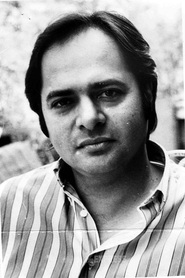
Farooq Shaikh
Farooq Shaikh is an Indian actor, best known for Tamil cinema. Farooq Shaikh began their career in 1979 and has been a prominent figure in the industry for over 47 years. With 30 credits to their name, Farooq Shaikh remains one of the most prolific and celebrated talents in the industry. Spanning 40+ years, Farooq Shaikh's career remains one of the longest and most celebrated in Tamil cinema.
- Born
- Age
- 78
Career Milestones
Film debut
View film →Highest rated: Yeh Jawaani Hai Deewani (7.6)
View film →Iconic Roles
Noorie
A young Kashmiri man whose love story with Noorie forms the tragic core of the film.
Chashme Buddoor
A gentle, sincere college student who wins the heart of the girl, contrasting with his mischievous friends.
Katha
A kind-hearted but timid clerk who is manipulated by his smooth-talking friend in a romantic rivalry.
Defining Moments
Film Debut
Made his acting debut in the critically acclaimed film 'Garm Hava', which dealt with the Partition of India.
Breakthrough Role
Gained widespread popularity and recognition for his lead role as Javed in the romantic tragedy 'Noorie'.
Cult Classic Success
Delivered a memorable performance as Siddharth in the cult comedy 'Chashme Buddoor', solidifying his image as a relatable romantic lead.
Filmfare Award
Received the Filmfare Award for Best Supporting Actor for his performance in the film 'Lahore'.
Farooq Shaikh by the Numbers
If you watched every Farooq Shaikh film back-to-back, you'd be at it for roughly 1 day and 22h. Most-paired with Farooq Sheikh — 14 films together.
Filmography
See all 30 credits →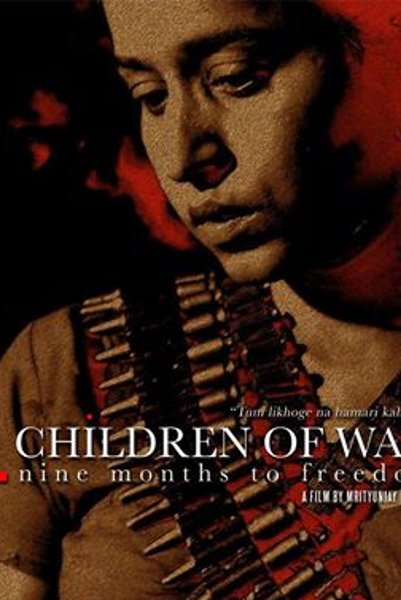


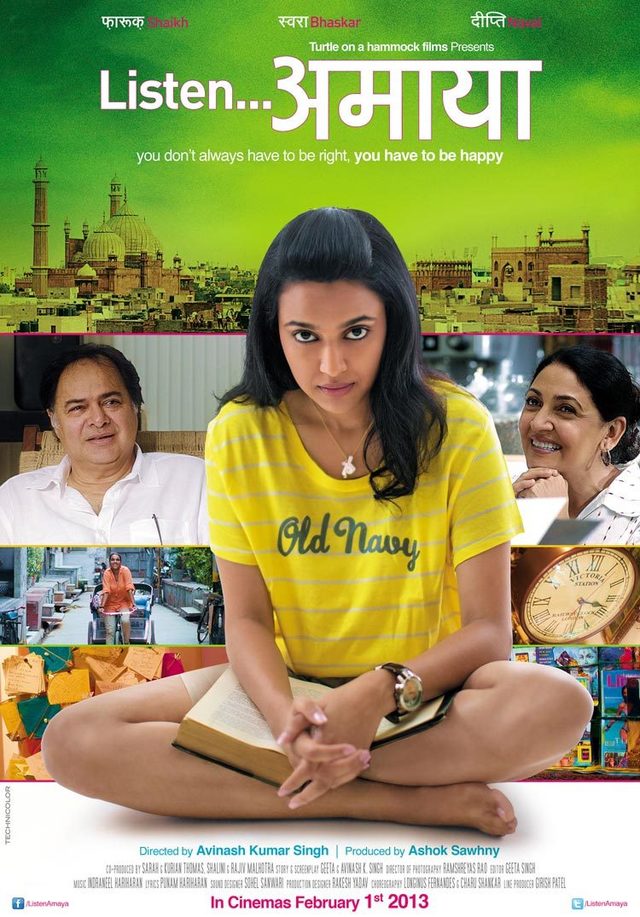

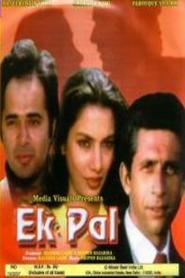
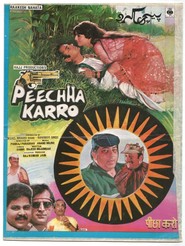
Collaboration Network
The Constellation
Top 10 most-paired collaborators. Bubble size and line thickness reflect how many films they share with Farooq Shaikh.
Career Analytics
Language Distribution
Films by Decade
Top Co-Actors
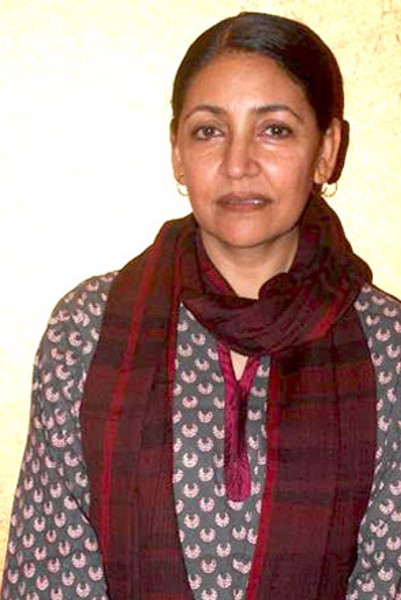
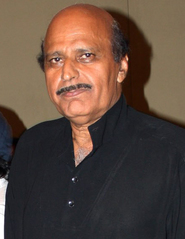
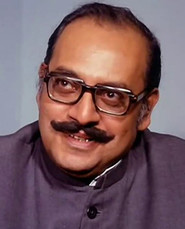
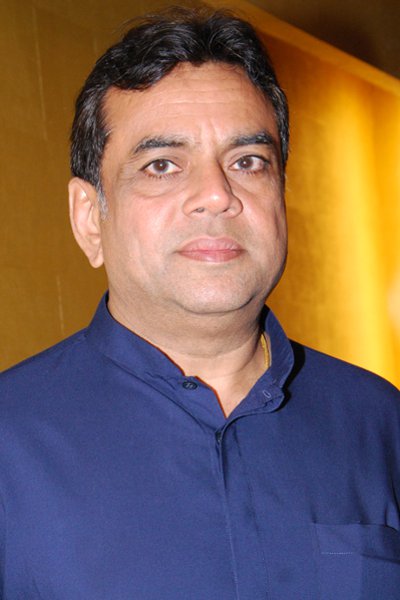
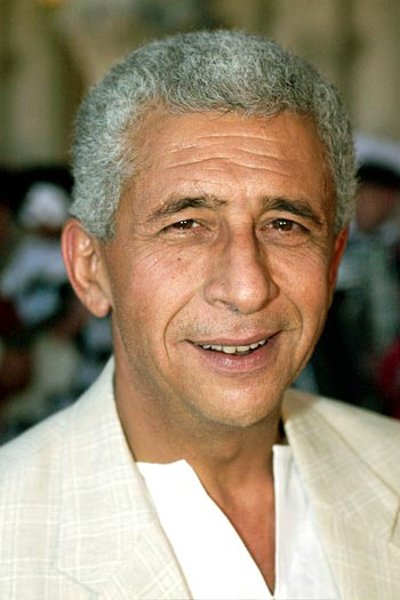
See all →Farooq Shaikh has worked most frequently with Pankaj Parashar (2 films), Hrishikesh Mukherjee (2 films), Farooq Sheikh (14 films), Deepti Naval (6 films), and Javed Khan (4 films).


Did You Know?
Farooq Shaikh was born on March 25, 1948, in Amroli, Gujarat, India.
He was a trained lawyer, having earned a law degree from Siddharth College of Law, Mumbai.
He made his film debut in the 1973 film 'Garm Hava', directed by M.S. Sathyu.
He was a popular actor in parallel cinema and worked with directors like Satyajit Ray ('Shatranj Ke Khilari') and Muzaffar Ali ('Umrao Jaan').
He was also a successful television actor, notably hosting the popular talk show 'Jeena Isi Ka Naam Hai'.
Signature Dialogues
Hum aapki bahon mein aana chahte hain...
Javed·Noorie
Chashme Buddoor... Chashme Bad Door!
Siddharth·Chashme Buddoor
Main tumse pyaar karta hoon, Noorie.
Javed·Noorie
Legacy & Influence
Farooq Shaikh carved a distinctive and enduring legacy in Indian cinema as a master of understated, naturalistic acting, particularly within the parallel cinema movement and later in mainstream and television roles. His career trajectory began on stage with the Indian People's Theatre Association (IPTA), grounding him in a tradition of socially conscious performance. His film debut in M.S. Sathyu's 'Garm Hava' (1974) was a landmark, establishing him as a sensitive performer capable of embodying profound emotional and political turmoil. This was followed by his iconic role in 'Shatranj Ke Khilari' (1977), directed by Satyajit Ray, which further cemented his reputation among India's cinematic elite. Shaikh's greatest popular success came with the romantic drama 'Noorie' (1979), where his everyman charm made him a beloved star. Throughout the 1980s, he became the quintessential urban romantic lead in middle-of-the-road cinema, especially in his celebrated collaborations with director Sai Paranjpye in films like 'Chashme Buddoor' (1981) and 'Katha' (1983). In these roles, he projected an intelligent, relatable, and often humorous persona that resonated deeply with the educated middle class, offering an alternative to the larger-than-life heroes of the time. His contribution extends to meaningful work in television, notably in the seminal show 'Jeena Isi Ka Naam Hai'. In his later career, he delivered powerful supporting performances in films like 'Lahore' (2010) and 'Club 60' (2013), showcasing his versatility. Farooq Shaikh's lasting impact lies in his ability to bridge the gap between art-house credibility and mainstream appeal without compromising his subtle, nuanced style. He redefined the Hindi film hero, proving that quiet dignity, wit, and authenticity could be as compelling as flamboyance, leaving a blueprint for actors in character-driven narratives.