Subodh Mukherjee
Subodh Mukherjee is an Indian director, best known for Tamil cinema. Subodh Mukherjee began their career in 1982. With 30 credits to their name, Subodh Mukherjee remains one of the most prolific and celebrated talents in the industry. An emerging voice in Tamil cinema, Subodh Mukherjee is already attracting significant attention for their distinctive work.
Career Milestones
Film debut
View film →Highest rated: Ulta Seedha (5.8)
View film →Subodh Mukherjee by the Numbers
If you watched every Subodh Mukherjee film back-to-back, you'd be at it for roughly 4 hours.
Filmography
See all 30 credits →
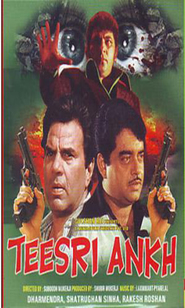
Career Analytics
Language Distribution
Films by Decade
Legacy & Influence
Subodh Mukherjee was a significant figure in Hindi cinema as a director and producer, active from the late 1940s through the 1970s. He is best remembered for his socially relevant and progressive films that often tackled contemporary issues with a blend of entertainment and message. His career trajectory began with his directorial debut 'Mumbai Ki Raat' (1949) and he gained prominence with films like 'Munimji' (1955), a successful romantic drama starring Dev Anand and Nalini Jaywant. Mukherjee demonstrated a keen understanding of middle-class aspirations and family dynamics. A major contribution was his 1960 film 'Love in Simla', notable for introducing the iconic actor Joy Mukherjee and the playback singer S. D. Batish. He also directed the acclaimed 'April Fool' (1964), a sophisticated comedy of errors. His work often featured strong musical scores, collaborating with composers like Shankar-Jaikishan. As a producer under his banner, Subodh Mukherjee Productions, he backed several films, including the landmark 'Junglee' (1961), which starred Shammi Kapoor and is celebrated for revolutionizing the 'rebel' hero archetype and its vibrant music. His film 'Shagird' (1967) was another popular comedy. Mukherjee's filmmaking was characterized by clean, polished storytelling and a focus on urban, modern themes, contributing to the evolution of the Hindi film narrative in the post-independence era. While not as extensively documented as some of his contemporaries, his body of work represents an important thread in the fabric of commercial Hindi cinema that balanced social consciousness with mainstream appeal.