Samir Ganguly
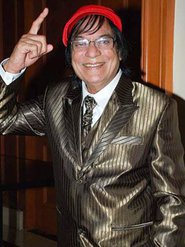
Samir Ganguly is an Indian director, best known for Tamil cinema. Samir Ganguly began their career in 1981. With 30 credits to their name, Samir Ganguly remains one of the most prolific and celebrated talents in the industry. An emerging voice in Tamil cinema, Samir Ganguly is already attracting significant attention for their distinctive work.
Career Milestones
Film debut
View film →Highest rated: Khoon Ka Rishta (5.5)
View film →Samir Ganguly by the Numbers
If you watched every Samir Ganguly film back-to-back, you'd be at it for roughly 4 hours. Most-paired with Jagdeep — 2 films together.
Filmography
See all 30 credits →Collaboration Network
Career Analytics
Language Distribution
Films by Decade
Top Co-Actors
See all →Samir Ganguly has worked most frequently with Jagdeep (2 films).
Legacy & Influence
Samir Ganguly was a significant figure in the formative years of Indian cinema, primarily active as a director and producer from the late 1940s through the 1960s. His career trajectory is notable for its contribution to the post-independence cinematic landscape, where he worked across genres, including social dramas and mythological films. A key aspect of his legacy is his role in the early careers of several prominent actors and his collaboration with major studios of the time. He is perhaps best remembered for directing 'Jaal' (1952), a critically acclaimed film that showcased the talents of Dev Anand and Geeta Bali and is considered an important early work in the noir-inspired thriller genre in Hindi cinema. The film's success helped solidify Dev Anand's screen persona and demonstrated Ganguly's skill in crafting suspenseful narratives with strong visual composition. His filmography also includes 'Aurat' (1953), a drama addressing social issues. While not as prolific or widely discussed as some of his contemporaries, Samir Ganguly's work represents a bridge between the studio era and the evolving narrative styles of the 1950s. His films contributed to the diversification of themes and techniques during a period of great experimentation and growth for the industry. His precise directorial style and choice of projects, often featuring strong central performances, left a mark on the craft of filmmaking in that era, influencing the visual and storytelling approaches of subsequent filmmakers working within popular commercial cinema.