Shrikant Moghe
Shrikant Moghe is an Indian actor, best known for Tamil cinema. Shrikant Moghe began their career in 1982. With 30 credits to their name, Shrikant Moghe remains one of the most prolific and celebrated talents in the industry. An emerging voice in Tamil cinema, Shrikant Moghe is already attracting significant attention for their distinctive work.
Career Milestones
Film debut
View film →Shrikant Moghe by the Numbers
If you watched every Shrikant Moghe film back-to-back, you'd be at it for roughly 2 hours.
Filmography
See all 30 credits →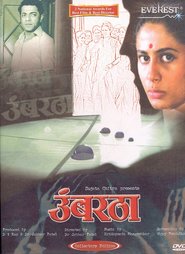
Career Analytics
Language Distribution
Films by Decade
Legacy & Influence
Shrikant Moghe was a prominent actor in Marathi and Hindi cinema during the 1930s and 1940s, recognized as one of the pioneering figures of early Indian talkies. His career trajectory began on the Marathi stage, where he honed his craft before transitioning to film. Moghe's most significant contribution lies in his work with Prabhat Film Company, one of the most influential studios of its era, known for its technical excellence and socially relevant storytelling. He starred in several landmark Prabhat productions, most notably in V. Shantaram's critically acclaimed social drama 'Manoos' (1939), where he delivered a powerful performance. The film, later remade in Hindi as 'Aadmi' (1939), addressed complex themes of morality and redemption, showcasing Moghe's ability to portray nuanced characters. His filmography during this period includes other notable works like 'Gopal Krishna' (1938), further establishing him as a reliable and expressive leading man. Moghe's acting style, characterized by its naturalism and emotional depth, represented a shift from the more theatrical performances common in early Indian cinema. He worked alongside other stalwarts of the Prabhat era, contributing to a body of work that elevated the artistic and narrative standards of Indian films. While his active film career spanned a relatively short period, his performances in key Prabhat films remain an important part of the studio's legacy, which played a crucial role in shaping the development of Indian cinema during its formative sound era. His work is studied as part of the rich history of the Prabhat Film Company and its impact on both Marathi and Hindi cinematic traditions.