Ved Rahi
Ved Rahi is an Indian director, best known for Tamil cinema. Ved Rahi began their career in 1980. With 30 credits to their name and an average audience rating of 6.5, Ved Rahi remains one of the most prolific and celebrated talents in the industry. An emerging voice in Tamil cinema, Ved Rahi is already attracting significant attention for their distinctive work.
Career Milestones
Film debut
View film →Highest rated: Kali Ghata (6.5)
View film →Ved Rahi by the Numbers
If you watched every Ved Rahi film back-to-back, you'd be at it for roughly 2 hours.
Filmography
See all 30 credits →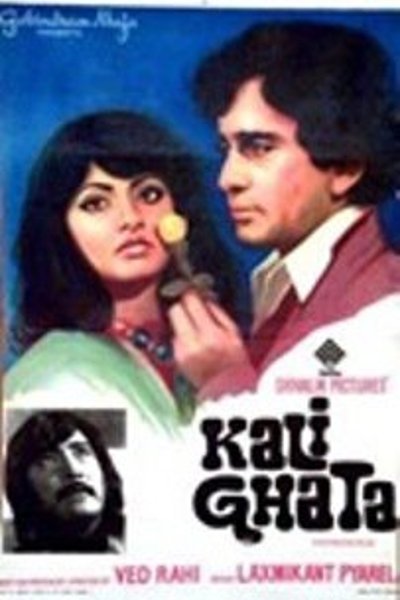
Career Analytics
Language Distribution
Films by Decade
Legacy & Influence
Ved Rahi is a significant figure in Indian cinema, primarily recognized for his multifaceted contributions as a director, writer, and producer, with a career spanning several decades from the 1970s onwards. He carved a distinct niche in the Punjabi film industry, playing a pivotal role in its revival and popularization during a crucial period. His work is often credited with bringing Punjabi cinema to a broader national audience, blending regional narratives with mainstream appeal. Rahi's directorial ventures, such as the landmark film 'Chann Pardesi' (1980), are considered classics. The film was not only a major commercial success but also critically acclaimed for its poignant storytelling and social themes, addressing the experiences of Punjabi immigrants. This film, along with others like 'Long Da Lishkara' (1983), helped solidify a new wave of Punjabi cinema that moved beyond folkloric traditions to engage with contemporary issues. His storytelling often featured strong emotional cores, familial conflicts, and cultural identity, resonating deeply with the Punjabi diaspora and audiences in Northern India. Beyond direction, his work as a writer and producer demonstrated a consistent commitment to quality and cultural authenticity. While his output in Hindi cinema was more limited, his influence on regional cinema remains profound. Ved Rahi's career trajectory reflects a dedicated artist who understood his audience and used the medium to reflect and shape cultural conversations, leaving an indelible mark on the landscape of Punjabi-language filmmaking.