Jayan Cherian
Jayan Cherian is an Indian director, best known for Tamil cinema. Jayan Cherian began their career in 2017. With 30 credits to their name, Jayan Cherian remains one of the most prolific and celebrated talents in the industry. An emerging voice in Tamil cinema, Jayan Cherian is already attracting significant attention for their distinctive work.
Career Milestones
Film debut
View film →Jayan Cherian by the Numbers
If you watched every Jayan Cherian film back-to-back, you'd be at it for roughly 2 hours.
Filmography
See all 30 credits →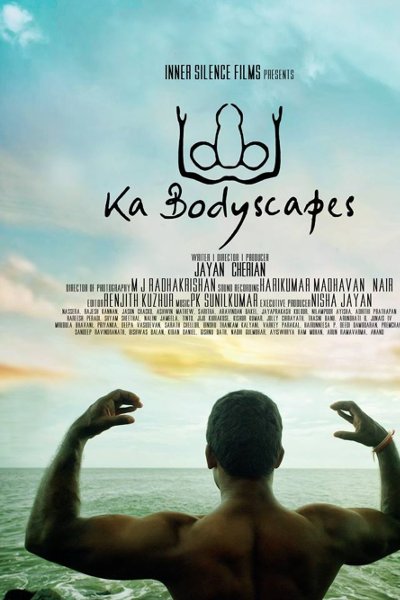
Career Analytics
Language Distribution
Films by Decade
Legacy & Influence
Jayan Cherian is a significant figure in contemporary Indian parallel cinema, known for his bold, politically charged filmmaking that challenges social and political orthodoxies. Emerging as a distinctive voice in the early 21st century, his work is characterized by its unflinching exploration of themes such as queer identity, religious fundamentalism, environmental degradation, and state oppression, often drawing from his background as a poet and visual artist. His career trajectory is defined by independent production and international festival recognition, which brought global attention to narratives often marginalized within mainstream Indian cinema. His debut feature, 'Papilio Buddha' (2013), is a landmark film for its explicit focus on the Dalit land rights movement in Kerala and its portrayal of queer characters within that struggle, making it one of the first Indian films to centrally feature a gay Dalit protagonist. The film faced significant censorship challenges and controversy in India, highlighting the tensions between artistic expression and political censorship. His subsequent film, 'KaBodyscapes' (2016), further cemented his reputation by exploring the intersecting lives of a gay painter, a transgender athlete, and a Hindu nationalist, offering a visceral critique of hyper-masculinity and majoritarian politics. Cherian's contribution lies in his creation of a cinematic language that is both poetic and polemical, using visual metaphor and nonlinear narratives to dissect complex socio-political realities. His films serve as important cultural documents of dissent, providing a platform for subaltern voices and fostering dialogue on human rights and sexual freedom. While his work operates outside the commercial mainstream, its impact is profound within independent film circles, academic discourse on South Asian cinema, and LGBTQ+ advocacy, influencing a new generation of filmmakers to tackle taboo subjects with artistic courage and political clarity.