Farida Dadi
Farida Dadi is an Indian actor, best known for Tamil cinema. Farida Dadi began their career in 2016. With 30 credits to their name, Farida Dadi remains one of the most prolific and celebrated talents in the industry. Farida Dadi is one of the most closely watched talents of their generation, with a rapidly growing body of acclaimed work.
Career Milestones
Film debut
View film →Highest rated: Tumse Na Ho Payega (6.3)
View film →Farida Dadi by the Numbers
If you watched every Farida Dadi film back-to-back, you'd be at it for roughly 7 hours. Most-paired with Girish Kumar — 2 films together.
Filmography
See all 30 credits →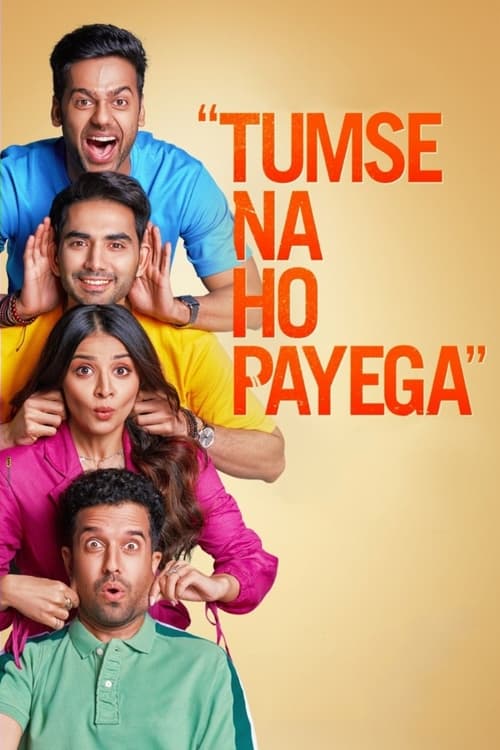


Collaboration Network
Career Analytics
Genre Breakdown
Language Distribution
Films by Decade
Top Co-Actors
See all →Farida Dadi has worked most frequently with Girish Kumar (2 films).

Legacy & Influence
Farida Dadi, a respected character actress in Hindi cinema, carved a distinctive niche through her portrayals of stern yet often benevolent maternal and authoritative figures. Her career, spanning several decades from the 1970s onward, is marked by a consistent presence that added depth and authenticity to numerous family-oriented and dramatic narratives. Dadi's contribution lies in her ability to embody the traditional, sometimes formidable, matriarch with a commanding screen presence, often serving as a moral anchor or a source of familial conflict within storylines. She became a familiar face in films produced by the influential Rajshri Productions, a studio known for its focus on family values, where her roles resonated deeply with mainstream audiences. Her performances in films like 'Hum Aapke Hain Koun..!' (1994), though not a leading role, contributed to the film's tapestry of familial relationships. She often portrayed characters that represented older generational wisdom and societal expectations, creating a recognizable archetype. While not frequently in the spotlight, her reliable performances provided a solid foundation for ensembles, helping to ground more extravagant plot elements. Her work represents an important thread in the fabric of commercial Hindi cinema, showcasing the vital role of seasoned character actors in building believable cinematic worlds. She is remembered for her dignified portrayals that, without grandiosity, helped define the visual and emotional landscape of the Indian joint family on screen for a generation of filmgoers.