Razak
Razak is an Indian director, best known for Tamil cinema. Razak began their career in 2018. With 30 credits to their name, Razak remains one of the most prolific and celebrated talents in the industry. An emerging voice in Tamil cinema, Razak is already attracting significant attention for their distinctive work.
Career Milestones
Film debut
View film →Razak by the Numbers
If you watched every Razak film back-to-back, you'd be at it for roughly 2 hours.
Filmography
See all 30 credits →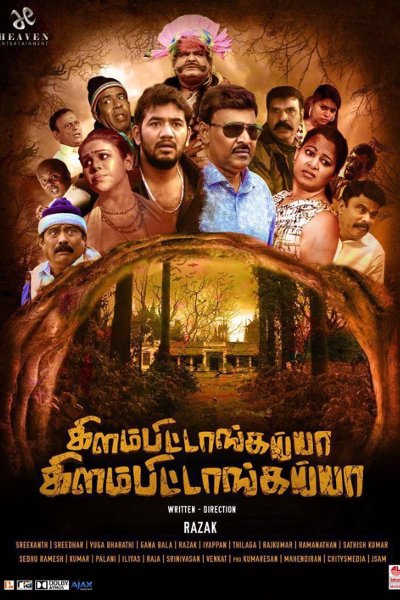
Career Analytics
Language Distribution
Films by Decade
Legacy & Influence
Razak, a prolific character actor in Hindi cinema, carved a distinct niche primarily in the 1970s and 1980s as one of the industry's most recognizable and versatile villains. His career trajectory saw him often portraying cunning, manipulative, and suave antagonists, frequently opposite leading heroes of the era like Amitabh Bachchan, Dharmendra, and Jeetendra. While not always the central villain, his presence added crucial layers of conflict and menace to numerous commercial potboilers. His contribution lies in his ability to embody a specific archetype of urban, sophisticated villainy with a cold demeanor, often using wit and deception rather than brute force. This contrasted with the more physically imposing villains of the time and expanded the range of antagonistic roles in mainstream cinema. He is particularly remembered for his collaborations with director Prakash Mehra in films like "Laawaris" (1981) and "Sharaabi" (1984), where his performances as a shrewd and often humorous adversary became a trademark. Razak's filmography, encompassing hundreds of films, represents a specific era of Hindi cinema where the conflict between hero and villain was a central narrative driver. His consistent performances helped establish a reliable template for secondary antagonists, ensuring the hero faced credible intellectual and strategic challenges. Though he rarely played the lead, his face and voice became synonymous with a certain brand of cinematic villainy, making him an integral part of the supporting cast ecosystem that powered the commercial film industry during its peak masala film period. His work remains a point of reference for character actors specializing in negative roles.