Navaniat Singh
Navaniat Singh is an Indian director, best known for Tamil cinema. Navaniat Singh began their career in 2018. With 30 credits to their name, Navaniat Singh remains one of the most prolific and celebrated talents in the industry. An emerging voice in Tamil cinema, Navaniat Singh is already attracting significant attention for their distinctive work.
Career Milestones
Film debut
View film →Highest rated: Yamla Pagla Deewana Phir Se (3.4)
View film →Navaniat Singh by the Numbers
If you watched every Navaniat Singh film back-to-back, you'd be at it for roughly 2 hours.
Filmography
See all 30 credits →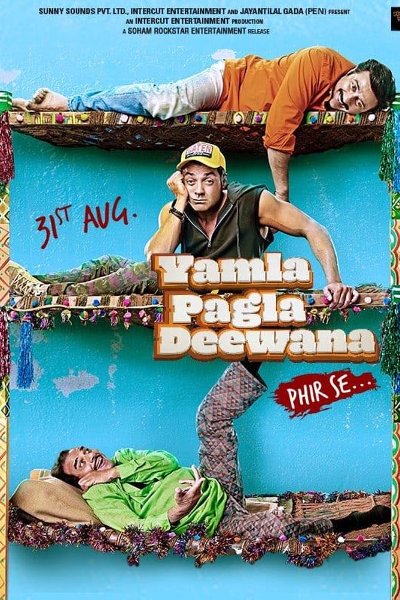
Career Analytics
Genre Breakdown
Language Distribution
Films by Decade
Legacy & Influence
Navaniat Singh is a prominent figure in Punjabi cinema, recognized primarily for his work as a screenwriter and director. His career trajectory is closely associated with the revival and mainstream success of Punjabi-language films in the early 2000s and beyond. He made a significant impact through his long-standing collaboration with actor-director Gurdas Maan, co-writing and directing several of Maan's most successful films. Their partnership began with 'Shaheed-E-Mohabbat' (1999) and continued with critically and commercially successful films like 'Des Hoyaa Pardes' (2004) and 'Mitti Wajaan Maardi' (2010). These films were notable for moving beyond pure comedy or melodrama, often tackling themes of migration, identity, and social issues relevant to the Punjabi diaspora, thereby adding narrative depth to the industry. As a director, Singh is known for his clean, family-oriented storytelling and his ability to extract nuanced performances. His film 'Yaraan Naal Baharaan' (2005) is considered a classic romantic comedy in Punjabi cinema. His later directorial ventures, such as 'Jatt & Juliet' (2012) and its sequel, which he wrote, were blockbuster hits that redefined box office expectations for Punjabi films and attracted a wider, younger audience. While not always the most prolific, his selective filmography is marked by a consistency in delivering entertainers with heart. His primary contribution lies in his screenwriting, which helped anchor many films with strong, relatable scripts during a pivotal growth period for the industry. He is regarded as a key architect in shaping modern Punjabi cinema's blend of mass appeal with substantive themes.