Suresh Urs
Suresh Urs is an Indian editor, best known for Tamil cinema. Suresh Urs began their career in 2018. With 30 credits to their name, Suresh Urs remains one of the most prolific and celebrated talents in the industry. An emerging voice in Tamil cinema, Suresh Urs is already attracting significant attention for their distinctive work.
Career Milestones
Film debut
View film →Suresh Urs by the Numbers
If you watched every Suresh Urs film back-to-back, you'd be at it for roughly 2 hours.
Filmography
See all 30 credits →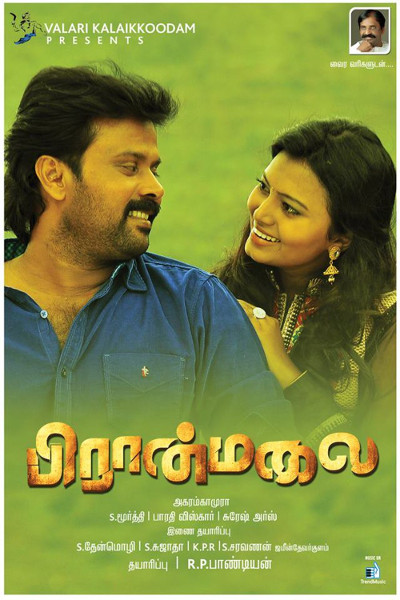
Career Analytics
Language Distribution
Films by Decade
Legacy & Influence
Suresh Urs is a distinguished film editor in Indian cinema, renowned for his long-standing and pivotal collaboration with acclaimed director Mani Ratnam. His editorial work is considered fundamental to the narrative style and pacing that defines Mani Ratnam's filmography, contributing significantly to the evolution of modern Indian filmmaking, particularly in Tamil and Hindi cinema. Urs's career trajectory is deeply intertwined with Ratnam's, having edited nearly all of the director's major works from the 1980s onward. His precise and rhythmic editing techniques are celebrated for enhancing emotional depth, building suspense, and maintaining a compelling narrative flow. Key films in their collaboration include landmark titles such as 'Nayakan' (1987), 'Roja' (1992), 'Bombay' (1995), 'Dil Se..' (1998), 'Guru' (2007), and 'Raavanan' (2010). His work on 'Nayakan' is often highlighted for its sophisticated structure, while his editing in 'Roja' and 'Bombay' helped shape films that resonated powerfully with national audiences during a transformative period. Urs's contribution extends beyond mere cutting; he is recognized for his ability to shape performances and visual poetry in the editing room, making him an integral, though often behind-the-scenes, architect of the films' final impact. His disciplined approach and synergy with Ratnam's vision have set a high standard for film editing in India, influencing a generation of editors who regard his body of work as a masterclass in narrative construction and emotional timing. While not a public figure, his professional legacy is firmly established within the industry as that of a consummate craftsman whose invisible art is essential to some of Indian cinema's most celebrated works.