Kunaal Vermaa
Kunaal Vermaa is an Indian composer, best known for Tamil cinema. Kunaal Vermaa began their career in 2015. With 30 credits to their name, Kunaal Vermaa remains one of the most prolific and celebrated talents in the industry. An emerging voice in Tamil cinema, Kunaal Vermaa is already attracting significant attention for their distinctive work.
Career Milestones
Film debut
View film →Highest rated: Why Cheat India (5.5)
View film →Kunaal Vermaa by the Numbers
If you watched every Kunaal Vermaa film back-to-back, you'd be at it for roughly 4 hours. Most-paired with Emraan Hashmi — 3 films together.
Filmography
See all 30 credits →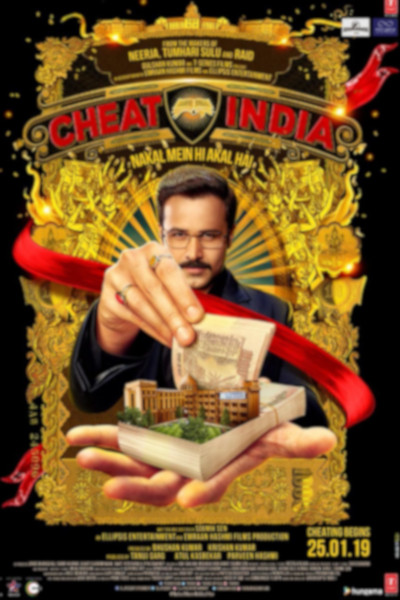

Collaboration Network
Career Analytics
Language Distribution
Films by Decade
Top Co-Actors
See all →Kunaal Vermaa has worked most frequently with Emraan Hashmi (3 films).

Legacy & Influence
Kunaal Vermaa is a screenwriter and director recognized for his work in contemporary Hindi cinema, particularly in the romantic comedy and coming-of-age genres. His career trajectory began with writing, most notably for the 2011 film 'Mujhse Fraaandship Karoge,' a youth-centric social media romance that captured the digital communication trends of its time. This established his voice in crafting relatable narratives for younger audiences. His directorial debut, 'Bewakoofiyaan' (2014), starring Ayushmann Khurrana and Sonam Kapoor, further explored modern relationships against a backdrop of economic anxieties, contributing to a wave of films addressing urban middle-class realities. While not a prolific filmmaker in terms of output, Vermaa's primary contribution lies in his screenwriting, which often employs a light-hearted, conversational tone to examine the complexities of love, friendship, and career aspirations in the 21st century. His films are characterized by their accessible dialogue and situations that resonate with a metropolitan viewership. He has not been a dominant mainstream figure but has carved a niche by working within specific, character-driven stories that avoid melodrama for a more understated, sometimes quirky, realism. His influence is subtle, seen in the normalization of specific urban Indian milieus and conversational styles in later Hindi cinema. His career reflects the industry's ongoing shift during the 2010s towards stories centered on younger protagonists navigating a world shaped by technology and shifting social norms, even if his filmography remains selective.