Abhijit Panse
Abhijit Panse is an Indian director, best known for Tamil cinema. Abhijit Panse began their career in 2019. With 30 credits to their name and an average audience rating of 6.0, Abhijit Panse remains one of the most prolific and celebrated talents in the industry. An emerging voice in Tamil cinema, Abhijit Panse is already attracting significant attention for their distinctive work.
Career Milestones
Film debut
View film →Highest rated: Thackeray (6.0)
View film →Abhijit Panse by the Numbers
If you watched every Abhijit Panse film back-to-back, you'd be at it for roughly 2 hours.
Filmography
See all 30 credits →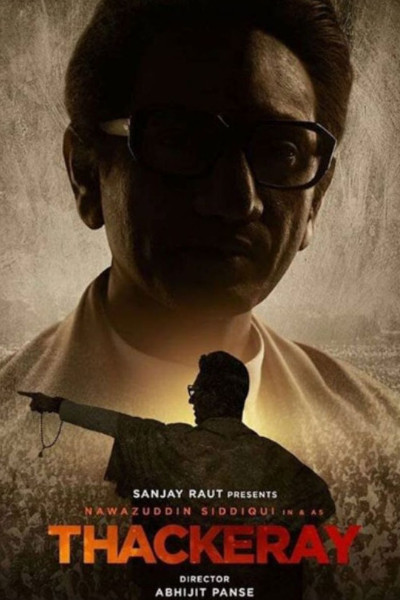
Career Analytics
Language Distribution
Films by Decade
Legacy & Influence
Abhijit Panse is a significant figure in Marathi cinema and theatre, primarily recognized as a director and writer who has contributed to the evolution of Marathi historical and period dramas in the 21st century. His career trajectory began in theatre, where he honed his craft before transitioning to film. Panse's major contribution lies in his focus on bringing pivotal chapters of Maratha history to the screen with a distinct visual scale and narrative intensity not commonly seen in the regional industry at the time. His 2014 directorial debut, 'Farzand', marked a turning point. The film, centered on the legendary Maratha warrior Kondaji Farzand, was noted for its ambitious action sequences, production design, and attempt to present historical warfare with a contemporary cinematic sensibility. It sparked a renewed interest in Maratha history as a genre within Marathi cinema, demonstrating commercial viability. He followed this with 'Fatteshikast' (2019) and 'Sher Shivraj' (2022), further solidifying his niche. While his films have been commercially successful and praised for their technical prowess and patriotic fervor, they have also been part of critical discussions regarding historical interpretation and cinematic representation. His work is often cited for popularizing a specific, action-oriented brand of historical storytelling in Marathi films, influencing a wave of productions aiming for larger budgets and pan-state appeal. His contribution is thus seen as instrumental in expanding the perceived scope and market of Marathi-language historical cinema, moving it beyond traditional biographical dramas into the realm of the historical action epic.