Ranjan Palit
Ranjan Palit is an Indian cinematographer, best known for Tamil cinema. Ranjan Palit began their career in 2011. With 30 credits to their name and an average audience rating of 6.0, Ranjan Palit remains one of the most prolific and celebrated talents in the industry. Spanning 10+ years, Ranjan Palit's career remains one of the longest and most celebrated in Tamil cinema.
Career Milestones
Film debut
View film →Highest rated: 7 Khoon Maaf (6.4)
View film →Ranjan Palit by the Numbers
If you watched every Ranjan Palit film back-to-back, you'd be at it for roughly 7 hours. Most-paired with Priyanka Chopra — 2 films together.
Filmography
See all 30 credits →


Collaboration Network
The Constellation
Top 2 most-paired collaborators. Bubble size and line thickness reflect how many films they share with Ranjan Palit.
Career Analytics
Genre Breakdown
Language Distribution
Films by Decade
Top Co-Actors
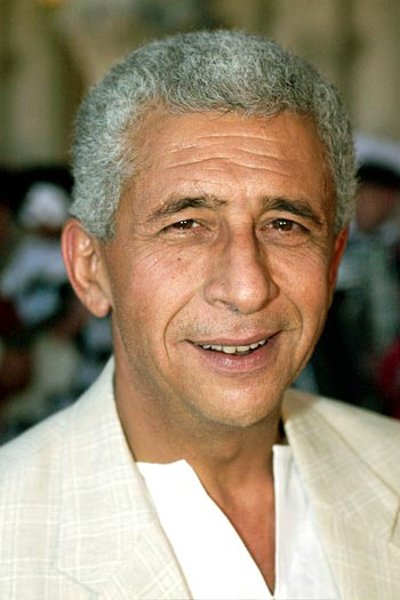
See all →Ranjan Palit has worked most frequently with Priyanka Chopra (2 films), and Naseeruddin Shah (2 films).

Legacy & Influence
Ranjan Palit is a pivotal figure in Indian documentary and independent cinema, renowned as a cinematographer, director, and sound designer. His career, emerging from the influential FTII (Film and Television Institute of India) circle of the late 1970s and 1980s, is defined by a profound commitment to social realism and a distinctive visual language. Palit's work is foundational to the Indian documentary movement, often focusing on marginalized communities, environmental issues, and human rights. His cinematography is celebrated for its immersive, intimate, and often poetic quality, bringing a narrative depth to non-fiction storytelling. A key collaborator with directors like Sanjay Kak and Amar Kanwar, Palit's contributions to films such as 'Words on Water' (on the Narmada Bachao Andolan) and 'The Lightning Testimonies' (on sexual violence and conflict) are considered seminal. His approach often blends observational techniques with a strong political and ethical consciousness, influencing generations of documentary filmmakers in India to pursue rigorous, aesthetically compelling, and socially engaged work. Beyond cinematography, his role as a director in films like 'Swaraj' and his innovative work in sound design have expanded the technical and artistic vocabulary of Indian non-fiction cinema. His career trajectory reflects a lifelong dedication to using the camera as a tool for witness and advocacy, cementing his legacy as a quiet but formidable force who shaped the aesthetics and conscience of independent Indian filmmaking.