Aditya Om
Aditya Om is an Indian actor, best known for Tamil cinema. Aditya Om began their career in 2002 and has been a prominent figure in the industry for over 24 years. With 30 credits to their name, Aditya Om remains one of the most prolific and celebrated talents in the industry. Spanning 20+ years, Aditya Om's career remains one of the longest and most celebrated in Tamil cinema.
- Born
- Age
- 50
Biography
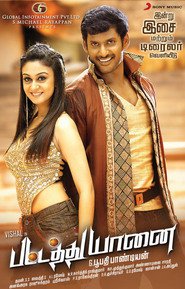
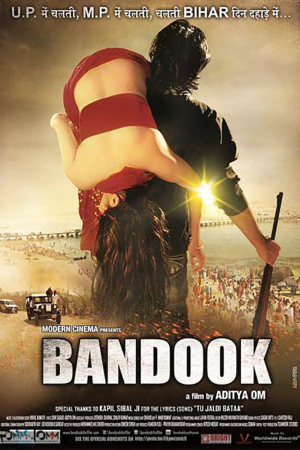
Aditya Om is an Indian actor, director, and writer working predominantly in Telugu cinema, known for his dual career as both a leading man and a socially conscious filmmaker. He debuted in Lahiri Lahiri Lahirilo (2002) and later appeared in Tamil films like Pattathu Yaanai (2013) alongside Vishal; his directorial venture Maassab (2018) won awards at national and international film festivals. He directed the acclaimed short films Maya Mobile and For My Mother, which explored social issues, and also self-directed and starred in Bandook (2013). Beyond cinema, he is a social activist who adopted the village Cherupally in Telangana for educational reform through his organization 'Edulightment', and appeared in Bigg Boss Telugu Season 8 in 2024.
Career Milestones
Film debut as actor
View film →Second film received critical praise for acting
View film →Directorial debut with Bandook; script added to Oscars library
Won multiple best actor awards at film festivals
Directed Maassab, winning awards at national and international film festivals
Iconic Roles
Lahiri Lahiri Lahirilo
A marriage broker tasked with finding matches for three sisters in this Telugu musical-family drama; the film was a commercial super hit and marked Aditya Om's acting debut.
Pattathu Yaanai
Supporting role in this Tamil action comedy co-starring Vishal, one of his notable crossover appearances in Tamil cinema.
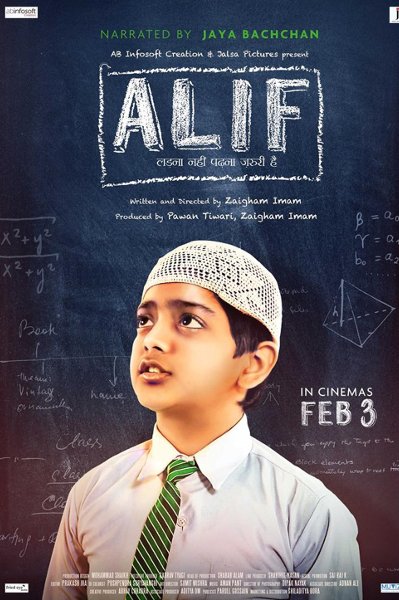
Alif
Appeared as Jamal in this bilingual drama film.
Defining Moments
Debut performance as Nani in Lahiri Lahiri Lahirilo — an early role that, despite mixed initial reviews for overacting, launched his Telugu film career
His entry into Telugu cinema as a leading man, setting the foundation for a 20+ film career as a protagonist
View film →Turnaround performance in Dhanalakshmi I Love You, where critics noted he 'surprises us with his good histrionics' — a marked improvement from his debut
Established his credibility as a lead actor after a rocky debut, helping him secure continued roles in Telugu cinema
View film →Role as Jamal, the madarassa teacher turned blackmailer — a morally complex antagonist performance praised by reviewers as 'equally effective'
Demonstrated his range beyond mainstream Telugu commercial cinema in a socially conscious Hindi film dealing with communal themes
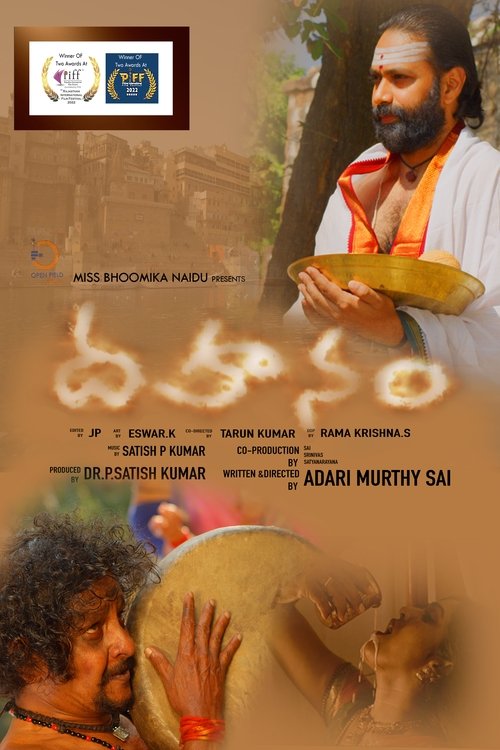
View film →Performance as the village priest (Pujari) in Dahanam — an emotionally layered portrayal that earned him Best Actor at the Rajasthan International Film Festival and Prime International Film Festival (2022)
Considered his most acclaimed acting work; festival critics noted he 'lived in the character' and made audiences emotional with his restrained, powerful performance
Aditya Om by the Numbers
If you watched every Aditya Om film back-to-back, you'd be at it for roughly 1 day and 11h. Most-paired with Meghna Naidu — 2 films together.
Filmography
See all 30 credits →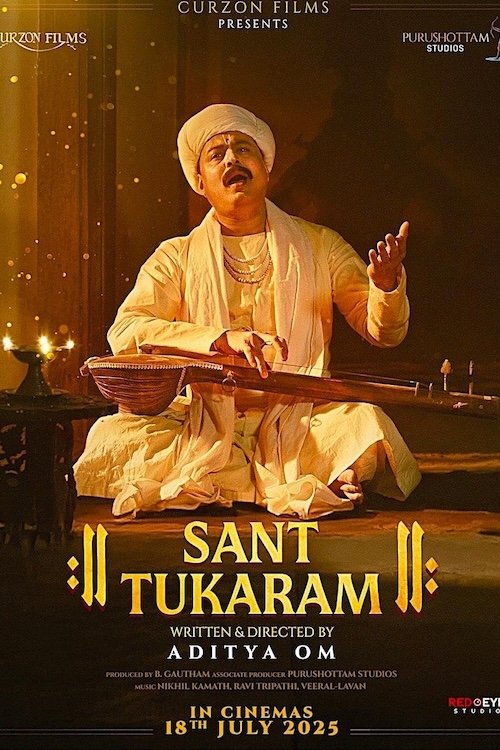
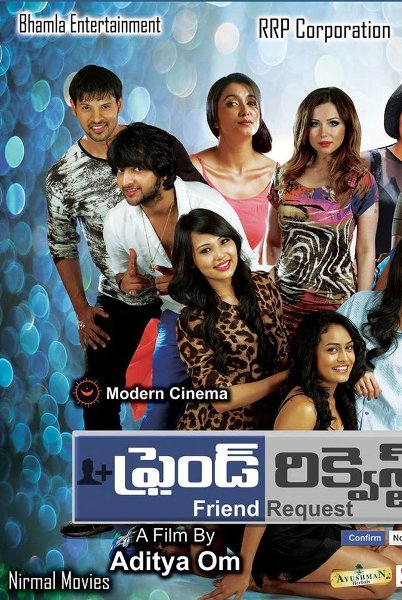
Collaboration Network
The Constellation
Top 2 most-paired collaborators. Bubble size and line thickness reflect how many films they share with Aditya Om.
Career Analytics
Genre Breakdown
Language Distribution
Films by Decade
Top Co-Actors
See all →Aditya Om has worked most frequently with Meghna Naidu (2 films), and Ankitha (2 films).


Legacy & Influence
Aditya Om is a distinct figure in the contemporary Indian film landscape, primarily recognized for his work in Bhojpuri cinema and his forays into Hindi films. His career trajectory is marked by a deliberate shift from mainstream commercial roles towards more socially conscious and experimental storytelling. He gained significant attention for writing, directing, and starring in the 2012 Hindi film 'Deswa', which focused on the socio-political issues of rural Bundelkhand. This project established him as a filmmaker willing to address grassroots realities, diverging from typical commercial formulas. His subsequent directorial ventures, such as 'Lakshmi' (2014) and 'Nirbhaya' (2015), further cemented this identity, with 'Nirbhaya' being a hard-hitting drama inspired by the 2012 Delhi gang rape case. Through these films, Aditya Om positioned himself as a voice for marginalized communities and women's safety, using cinema as a tool for social commentary. In Bhojpuri cinema, he has been part of numerous popular films, contributing to the industry's growth beyond its traditional audience. His dual presence in both regional and issue-based Hindi cinema represents a unique blend of mass appeal and thematic ambition. While not a mainstream superstar, his contribution lies in persistently attempting to bridge entertainment with social relevance, creating a niche for conscientiously driven projects within commercial frameworks. His career reflects a conscious effort to expand the narrative scope of Indian regional and parallel cinema.