Chakravarthy
Chakravarthy is an Indian composer, best known for Tamil cinema. Chakravarthy began their career in 1980 and has been a prominent figure in the industry for over 46 years. With 30 credits to their name, Chakravarthy remains one of the most prolific and celebrated talents in the industry. Spanning 40+ years, Chakravarthy's career remains one of the longest and most celebrated in Tamil cinema.
- Born
- Age
- 89
Biography
K. Chakravarthy (born Kommineni Appa Rao) was an Indian music director who worked predominantly in Telugu cinema, composing music for over 1,000 films including 884 Telugu and 60 Kannada productions. He is best known for his long association with director K. Raghavendra Rao, scoring numerous commercial hits featuring N. T. Rama Rao, beginning with Driver Ramudu (1979), and won two Nandi Awards for his contributions. A prolific composer at his peak, he recorded more than five songs per day and worked 16-hour sessions, also lending his voice as a dubbing artist in around 600 films. He composed the music for both Lorry Driver (1990) and Aggiramudu (1990), and his legacy continued through his son Sri Kommineni, who also became a music director and playback singer.
Chakravarthy by the Numbers
If you watched every Chakravarthy film back-to-back, you'd be at it for roughly 11 hours. Most-paired with Sharada — 2 films together.
Filmography
See all 30 credits →Collaboration Network
Career Analytics
Language Distribution
Films by Decade
Top Co-Actors
See all →Chakravarthy has worked most frequently with Sharada (2 films).
Photos
See all →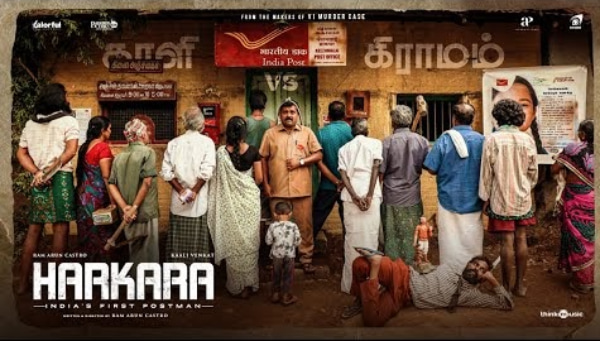
News & Stories
Check Out the New Single "Kaali vs Graamam" from Harkara
25/7/2023
Legacy & Influence
Chakravarthy is a character actor whose presence in Indian cinema, particularly in Tamil and Telugu films, is defined by his portrayals of antagonists and supporting roles that often leave a lasting impression. His career trajectory began in the late 1980s, and he gained significant recognition through his work in the 1990s and early 2000s. While not a mainstream leading star, his contribution lies in his ability to embody formidable and memorable villains, often serving as a powerful counterpoint to the hero. His performances are noted for their intensity, distinctive dialogue delivery, and commanding screen presence, which helped elevate the narrative conflict in numerous action and drama films. He became a reliable figure for directors seeking a credible and threatening antagonist. A notable phase of his career includes collaborations with prominent filmmakers and stars in the South Indian film industries, where his roles contributed to the commercial and critical success of several projects. His work exemplifies a specific archetype of villainy in Indian cinema during his peak years—one that relied on raw intimidation and psychological depth rather than overt theatrics, influencing the portrayal of antagonists in regional cinema. Despite a lower public profile in later years, his filmography from his active period remains a reference point for character acting. His career demonstrates the importance of strong character artists in building the narrative ecosystem of Indian films, where supporting roles are crucial for plot dynamism. He carved a niche that, while not always in the spotlight, was integral to the storytelling fabric of many successful films.