Anji
Anji is an Indian director, best known for Tamil cinema. Anji began their career in 2003. With 30 credits to their name and an average audience rating of 6.5, Anji remains one of the most prolific and celebrated talents in the industry. An emerging voice in Tamil cinema, Anji is already attracting significant attention for their distinctive work.
Biography
Anji Srinu is a Telugu film director known for directing romantic and family dramas in Telugu cinema. His directorial debut, Janaki Weds Sriram (2003), produced under SRB Art Productions, is a romantic drama about childhood sweethearts who reunite as adults. He went on to direct Apparao Driving School (2004), Laila Majnu (2007), Nandeeswarudu (2012), and Amma Nanna Oorelithe (2015), spanning over a decade of work in Telugu cinema. No major awards information is publicly documented for his body of work.
Anji by the Numbers
If you watched every Anji film back-to-back, you'd be at it for roughly 2 hours.
Filmography
See all 30 credits →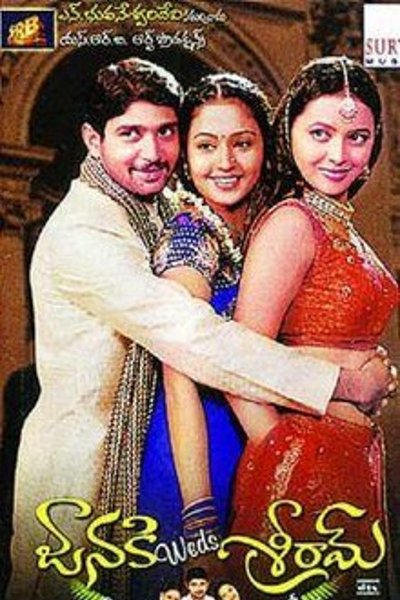
Career Analytics
Language Distribution
Films by Decade
Legacy & Influence
Anji is a prominent Indian film choreographer and director, primarily known for his extensive work in Telugu cinema. His career trajectory began as a background dancer and assistant choreographer, working under established names before gaining recognition for his own distinctive style. His major contribution lies in revolutionizing dance sequences in South Indian films during the late 1990s and 2000s, moving beyond traditional formations to incorporate complex, high-energy group choreography and innovative use of camera movements. He is particularly noted for his collaborations with leading actors like Prabhas and Mahesh Babu, creating iconic mass-appeal dance numbers that became cultural phenomena. His work in films such as 'Pokiri' and 'Chatrapathi' showcased his ability to blend Western contemporary styles with Indian classical and folk movements, setting new benchmarks for picturization. Beyond choreography, Anji expanded his role as a director with films like 'Shock' and 'Lakshmi', demonstrating his understanding of cinematic narrative. While his directorial ventures met with varied critical reception, his influence on the visual grammar of song sequences remains undisputed. He played a significant role in elevating the importance and production value of dance in mainstream commercial cinema, inspiring a generation of choreographers who followed. His legacy is that of a technician who understood the pulse of the audience and the requirements of the star vehicle, crafting moments of pure spectacle that are often the most memorable parts of the films he worked on.