S. Sivaraman
S. Sivaraman is an Indian director, best known for Tamil cinema. S. Sivaraman began their career in 2011. With 30 credits to their name and an average audience rating of 7.0, S. Sivaraman remains one of the most prolific and celebrated talents in the industry. S. Sivaraman is one of the most closely watched talents of their generation, with a rapidly growing body of acclaimed work.
Career Milestones
Directorial debut with Tamil drama film
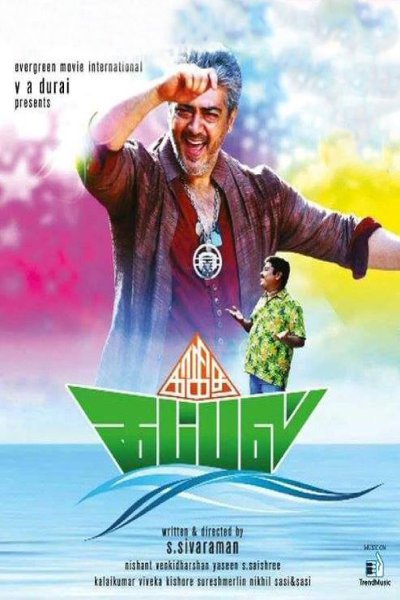
Directed and wrote romantic Tamil film
View film →Directed Tamil drama about Sri Lankan refugee, starring Sonia Agarwal
S. Sivaraman by the Numbers
If you watched every S. Sivaraman film back-to-back, you'd be at it for roughly 9 hours.
Filmography
See all 30 credits →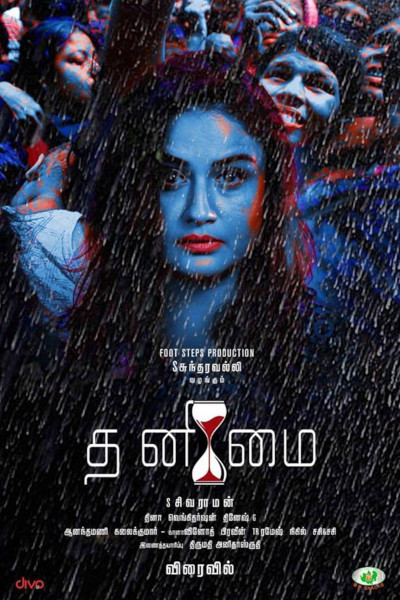
Career Analytics
Language Distribution
Films by Decade
Legacy & Influence
S. Sivaraman is a cinematographer whose career in Indian cinema, particularly in Tamil and Malayalam films, is defined by a significant visual contribution spanning several decades. His work is characterized by a strong technical foundation and an ability to adapt to diverse cinematic styles, from the grounded realism of parallel cinema to the demands of mainstream commercial productions. Sivaraman's early collaborations with acclaimed directors like Bharathiraja in films such as 'Kizhakke Pogum Rail' (1978) and 'Sigappu Rojakal' (1978) established him as a key figure in capturing the raw, earthy textures that defined a new wave of Tamil cinema in the late 1970s and 1980s. His cinematography in these films was instrumental in creating a visual language that felt authentic to rural and urban landscapes, enhancing the narrative's emotional core. Beyond his work with Bharathiraja, Sivaraman demonstrated remarkable versatility. He lensed a wide array of successful films, including the iconic comedy 'Michael Madana Kama Rajan' (1990), the musical drama 'Duet' (1994), and the action film 'Sathyavan' (1990), showcasing his skill in handling different genres, lighting setups, and compositional demands. His prolific output and consistent quality made him a sought-after technician, contributing to the visual identity of numerous landmark films. While less active in later years, his body of work from the late 1970s through the 1990s remains a vital part of the cinematic heritage of South Indian film, influencing the craft of cinematography through his dedication to serving the story with clarity, mood, and technical proficiency.