Rahul Jain
Rahul Jain is an Indian composer, best known for Tamil cinema. Rahul Jain began their career in 2014 and has been a prominent figure in the industry for over 12 years. With 30 credits to their name, Rahul Jain remains one of the most prolific and celebrated talents in the industry. Rahul Jain is one of the most closely watched talents of their generation, with a rapidly growing body of acclaimed work.
- Born
- Age
- 33
Biography
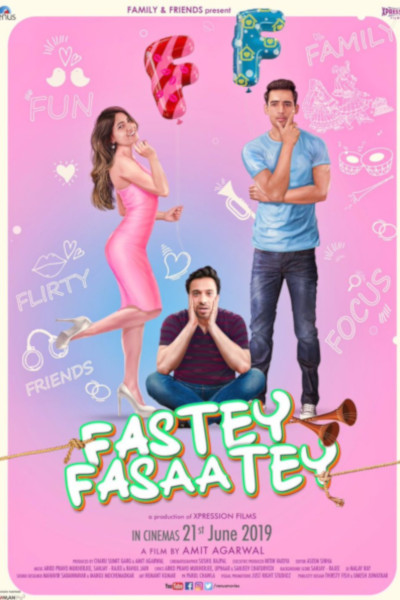
Rahul Jain is an Indian Hindi cinema music composer, singer, and lyricist born in Indore, Madhya Pradesh, who is the son of composer Rajendra Jain and writer Padma Jain. He gained initial recognition through MTV Aloft Star in 2014 and made his Bollywood composing debut with the 2016 film Fever, earning a Mirchi Music Award nomination for Upcoming Male Vocalist of the Year for 'Aanewale Kal' from the 2018 film 1921. He contributed to the soundtracks of Fastey Fasaatey (2019) alongside Arko Pravo Mukherjee and Sanjay Rajee, and Jhootha Kahin Ka (2019) alongside Yo Yo Honey Singh. An IIT Bombay civil engineering graduate turned musician, he has composed over 250 tracks spanning films and television series including Tu Aashiqui (2017–2018) and Bepannah (2018).
Rahul Jain by the Numbers
If you watched every Rahul Jain film back-to-back, you'd be at it for roughly 7 hours.
Filmography
See all 30 credits →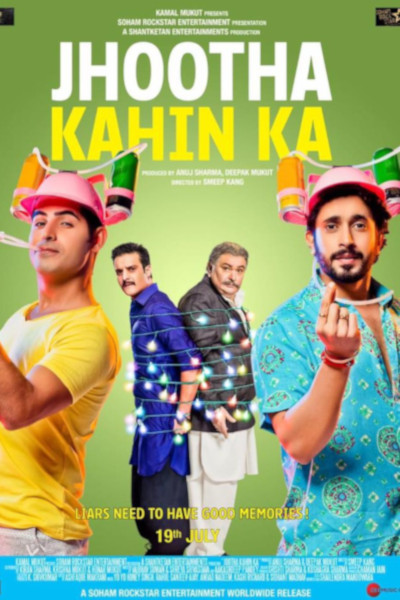
Career Analytics
Genre Breakdown
Language Distribution
Films by Decade
Legacy & Influence
Rahul Jain is a significant contemporary filmmaker in Indian cinema, known for his distinct contribution to the documentary and non-fiction space. He emerged as a powerful new voice with his debut feature documentary, 'Machines' (2016). The film, set in a vast Gujarati textile factory, is a stark, immersive, and visually arresting portrait of labor, capitalism, and the human condition. Its formal rigor, composed of long, observational shots and minimal dialogue, established Jain's signature style—one that prioritizes atmosphere, visual metaphor, and a profound, often unsettling, empathy for its subjects. This approach marked a departure from more conventional narrative or expository documentaries in India, aligning him with a global tradition of poetic, sensory cinema. His follow-up work, 'In the Shadows' (2017), a short film, and his second feature documentary, 'The Golden Thread' (status uncertain as of last known information), further explore themes of industrialization, environmental decay, and socio-political structures. Jain's primary contribution lies in expanding the aesthetic and thematic boundaries of Indian documentary filmmaking. His work is celebrated in international film festival circuits (notably, 'Machines' premiered at Sundance and won the World Cinema Documentary Special Jury Award for Cinematography), bringing critical attention to a form of Indian cinema often underrepresented globally. He influences a younger generation of filmmakers to pursue visually-driven, contemplative non-fiction storytelling that challenges audiences through experience rather than explicit argument. His career trajectory, though still evolving, represents a committed artistic path focused on creating politically and ethically engaged cinema of a high formal order.