Mahakshay Chakraborty
Mahakshay Chakraborty is an Indian actor, best known for Tamil cinema. Mahakshay Chakraborty began their career in 2011 and has been a prominent figure in the industry for over 15 years. With 30 credits to their name, Mahakshay Chakraborty remains one of the most prolific and celebrated talents in the industry. An emerging voice in Tamil cinema, Mahakshay Chakraborty is already attracting significant attention for their distinctive work.
- Born
- Age
- 41
Biography
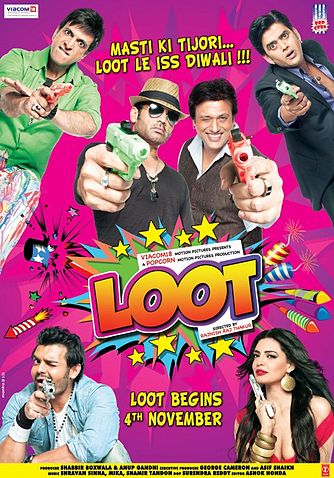
Mahaakshay Chakraborty, also known as Mimoh Chakraborty, is a Hindi cinema actor and the son of veteran Bollywood star Mithun Chakraborty and actress Yogeeta Bali. He made his debut in 2008 and gained his first commercial success with Haunted – 3D (2011), directed by Vikram Bhatt, which was the first Indian stereoscopic 3D horror film. He followed this with Loot (2011), an ensemble action-comedy alongside Govinda, Suniel Shetty, and Jaaved Jaaferi, and Enemmy (2013), a bilingual neo-Western buddy cop thriller co-starring his father Mithun Chakraborty, Sunil Shetty, and Kay Kay Menon. Despite working primarily in lower-budget action and horror genres, he has carved a niche in genre films rather than mainstream Bollywood drama.
Career Milestones
Bollywood debut in lead role as DJ Jimmy
First commercially successful film, horror hit that boosted his profile
Appeared in action thriller alongside Kay Kay Menon
View film →Debut in Bengali cinema with action film
Iconic Roles
Haunted – 3D
His first commercially successful role in India's first stereoscopic 3D horror film, which established him as a recognizable face in Bollywood.
Loot
Played a boy-next-door roped into a heist in Pattaya alongside veteran actors Govinda, Suniel Shetty, and Jaaved Jaffrey.
Defining Moments
Film debut as a star son — introduced in the action drama Jimmy, drawing comparisons to his father Mithun Chakraborty's screen presence and dance moves
His debut generated attention as the son of Mithun Chakraborty, and was widely covered in Bollywood press as a high-profile star-kid launch
Lead role in India's first stereoscopic 3D horror film, carrying the film as the protagonist through its horror set-pieces
Haunted 3D was a commercial success and his first hit, notable as a landmark in Indian cinema for its 3D horror format; his performance anchored a genre milestone
Comedy ensemble role as Wilson, a hapless thief who ends up robbing the wrong house alongside Govinda, Suniel Shetty and Jaaved Jaffrey
Demonstrated range beyond action roles; sharing screen with veteran comedic actors in a light-hearted caper was a departure that drew notice
View film →Mahakshay Chakraborty by the Numbers
If you watched every Mahakshay Chakraborty film back-to-back, you'd be at it for roughly 9 hours. Most-paired with Mimoh Chakraborty — 3 films together.
Filmography
See all 30 credits →
Collaboration Network
The Constellation
Top 3 most-paired collaborators. Bubble size and line thickness reflect how many films they share with Mahakshay Chakraborty.
Career Analytics
Genre Breakdown
Language Distribution
Films by Decade
Top Co-Actors
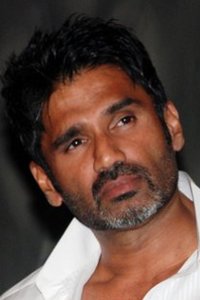
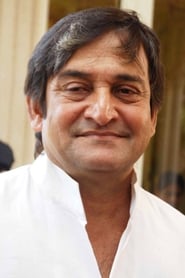
See all →Mahakshay Chakraborty has worked most frequently with Mimoh Chakraborty (3 films), Sunil Shetty (2 films), and Mahesh Manjrekar (2 films).

Did You Know?
Mahakshay Chakraborty is the son of veteran Bollywood actor Mithun Chakraborty.
He was previously known as Mimoh Chakraborty before changing his screen name to Mahakshay.
He made his Bollywood acting debut in the 2008 film 'Jimmy'.
His film 'Haunted - 3D' (2011) was one of the first stereoscopic 3D horror films in India.
He is a trained dancer and has performed in various stage shows.
Legacy & Influence
Mahakshay Chakraborty, entering the film industry as the son of veteran actor Mithun Chakraborty, has navigated a career marked by the significant challenge of public and critical comparisons to his father's legendary status. His filmography, beginning with 'Haunted - 3D' (2011), one of India's early stereoscopic horror films, positioned him within a niche genre, though the films themselves garnered mixed reception. His subsequent work, including roles in 'Loot' (2011) and 'Enemmy' (2013), did not achieve major commercial or critical breakthrough, contributing to a career trajectory often analyzed through the lens of the 'star kid' phenomenon in Bollywood. His contribution, therefore, lies less in a transformative cinematic impact and more in embodying a specific narrative within Indian cinema: the struggle and scrutiny faced by second-generation actors. His career offers a case study in the immense pressure of legacy, the fluctuating fortunes within the industry, and the public's complex relationship with nepotism. While not having attained major stardom, his persistent presence in the industry, including ventures into production, reflects a dedication to the craft amidst challenging circumstances. His journey underscores the harsh realities of an industry where lineage provides entry but sustained success is dictated by a confluence of talent, opportunity, and public acceptance.