

Rahul Ravindran & Seerat Kapoor Movies Together List — 2 Films
Complete Movies List & Collaboration History
Last updated: 2026-07-13 · Data sources: Wikipedia, TMDB
Rahul Ravindran and Seerat Kapoor appeared together in 2 Telugu films between 2015 and 2024. Their highest-rated collaboration was Manamey (2024 — 6.5/10). Films span Tiger (2015) through Manamey (2024).
The Rahul Ravindran & Seerat Kapoor partnership
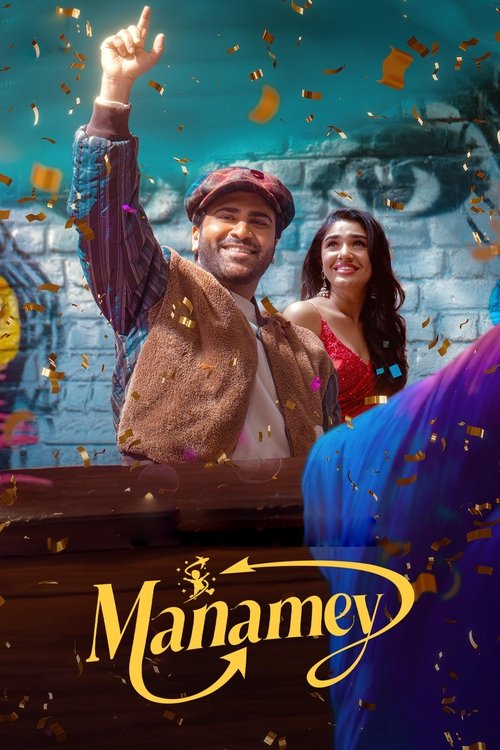
After 9 years apart, they came back together for Manamey (2024). They didn't share a set between 2015 and 2024. From Tiger (2015) to Manamey (2024).
Their most recent film, Manamey, came out in 2024 — the partnership is still active. It started with Tiger (2015).
The shape of the work
The 2010s belonged to Tiger; the 2020s to Manamey. Rahul Ravindran acted in every film; Seerat Kapoor acted in all of them.
2 films across 2 decades
The 2010s accounted for 1 film, averaging 6.2/10.
The 2020s accounted for 1 film, averaging 6.5/10.
- Tiger
- Manamey
The partnership in numbers
Partnership Pattern
2 films across 9 years represents consistent collaboration.
Language Distribution
Linguistic diversity: 1 language, with Telugu being their primary medium.
Where each was in their career
Before Tiger, Rahul Ravindran had starred in 6 films, including Andala Rakshasi (2012) and Moscowin Kavery (2010).
After Manamey, Rahul Ravindran went on to appear in 2 more films, including The Girlfriend (2025) and Fauzi (2026).
Before Tiger, Seerat Kapoor had starred in 2 films, including Run Raja Run (2014) and Zid (2014) (2014).

Collaboration Journey
A chronological view of Rahul Ravindran & Seerat Kapoor's professional partnership
Actors and musicians who worked on most of their films
Fish Venkat is the through-line — cast on 1 of their 2 films.











Other iconic Telugu director-actor duos
Discover other partnerships with comparable filmographies and ratings