

Shriya Saran & Archana Puran Singh Movies Together List — 2 Films
Complete Movies List & Collaboration History
Last updated: 2026-07-13 · Data sources: Wikipedia, TMDB
Shriya Saran and Archana Puran Singh appeared together in 2 Telugu films. Their highest-rated collaboration was Enakku 20 Unakku 18 (2003 — 5.7/10). Films span Nee Manasu Naaku Telusu (2003) through Enakku 20 Unakku 18 (2003).
The Shriya Saran & Archana Puran Singh partnership
From Nee Manasu Naaku Telusu (2003) to Enakku 20 Unakku 18 (2003). The ran closed with Enakku 20 Unakku 18 in 2003. It started with Nee Manasu Naaku Telusu (2003).
The shape of the work
Shriya Saran acted in every film; Archana Puran Singh acted in all of them.
2 films across 1 decade
- Enakku 20 Unakku 18
- Nee Manasu Naaku Telusu0
The partnership in numbers
Partnership Pattern
2 films across 0 years represents focused partnership.
Language Distribution
Linguistic diversity: 2 languages, with Telugu being their primary medium.
Where each was in their career
After Enakku 20 Unakku 18, Shriya Saran kept going for 59 more films; Archana Puran Singh stepped back.
Before Nee Manasu Naaku Telusu, Shriya Saran had starred in 4 films, including Santosham (2002) and Chennakeshava Reddy (2002).
After Enakku 20 Unakku 18, Shriya Saran went on to appear in 59 more films, including Drishyam 2 (2022) and RRR (2021).
Before Nee Manasu Naaku Telusu, Archana Puran Singh had starred in 18 films, including Nikaah (1982) and Kuch Kuch Hota Hai (1998).
After Enakku 20 Unakku 18, Archana Puran Singh went on to appear in 22 more films, including Kick (2014) and Rok Sako To Rok Lo (2004).
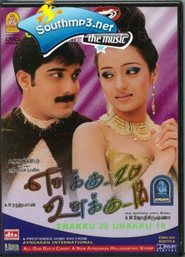
Collaboration Journey
A chronological view of Shriya Saran & Archana Puran Singh's professional partnership
Actors and musicians who worked on most of their films
Tarun is the through-line — cast on 2 of their 2 films.








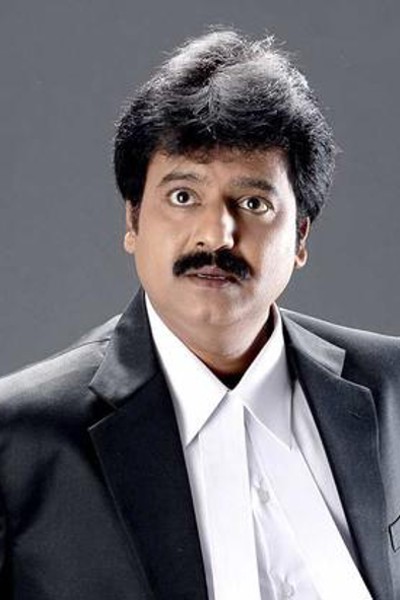

Other iconic Telugu director-actor duos
Discover other partnerships with comparable filmographies and ratings
 Sayaji Shinde
 Samantha Akkineni
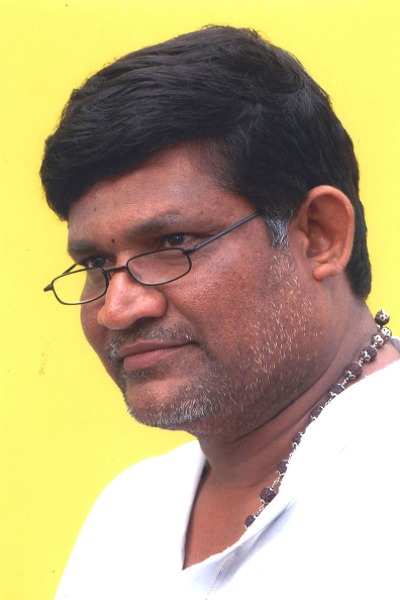 Tanikella Bharani
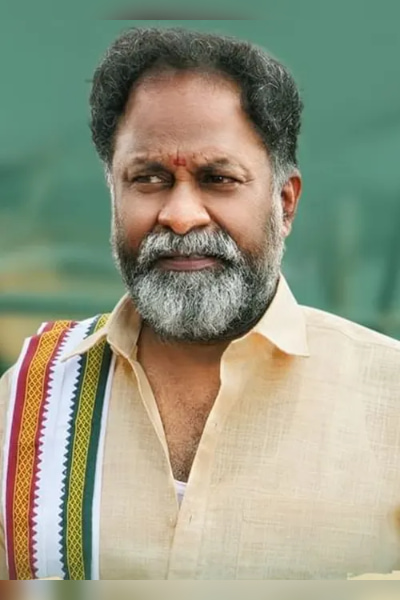 Rajsekhar Aningi
 Naga ShouryaTanikella Bharani