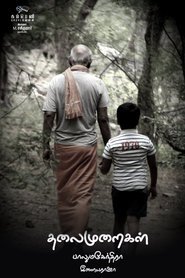
Thalaimuraigal Full Story Explained (2013)
Thalaimuraigal is a 2013 Tamil drama directed by the legendary Balu Mahendra. It was his last film before he passed away. The movie stars Balu Mahendra himself as Subbu, a stubborn old man. It also features Karthick and M. Sasikumar in key roles. The story is about a grandfather who learns to love again through his grandson. It is a simple, emotional film about family, pride, and change. The movie did not run long in theaters but became a cult classic. Fans love it for its honest storytelling and beautiful village visuals. The music by Ilaiyaraaja adds deep emotion to every scene. This is a film that will make you cry and smile at the same time.
A broken family begins
Subbu is a proud and snobbish old man. He lives alone in his village house. His son marries a woman from a lower caste. Subbu cannot accept this. He cuts off all contact with his son. Years pass in silence and anger.
Full Plot
Thalaimuraigal begins with Subbu, an elderly man living alone in a Tamil village. He is proud, stubborn, and deeply traditional. Years ago, his son married a woman from a lower caste. Subbu could not accept this. He threw his son out of the house and never spoke to him again. His wife passed away, leaving him completely alone. Subbu spends his days farming and avoiding people. He has no friends and no joy. His heart is filled with anger and regret.
One day, Subbu's grandson Karthick arrives at the village. Karthick is a young boy raised in the city. His parents sent him to stay with Subbu for a while. Karthick is nervous and excited. He wants to know his grandfather. But Subbu is cold and distant. He barely looks at the boy. He orders Karthick to stay out of his way. The boy feels unwanted and lonely.
Karthick does not give up easily. He tries to connect with Subbu in small ways. He brings him water. He helps with the animals. He offers him a chocolate one afternoon. Subbu takes the chocolate but shows no gratitude. Still, Karthick keeps trying. He is a kind and patient child. He sees the sadness behind his grandfather's anger.
Subbu's heart begins to soften slowly. He starts talking to Karthick about the village. He teaches him about farming and nature. The boy listens with wide eyes. They share meals together. Subbu even smiles a few times. The old man realizes he has missed having family. He feels guilty for pushing his son away.
A letter arrives from Karthick's mother. She writes to Subbu with love and respect. She explains that she never meant to hurt him. She asks for his blessing and forgiveness. Subbu reads the letter many times. He cries alone in his room. He understands that his pride caused all the pain. He decides to change.
Karthick's father comes to take him back to the city. Subbu panics. He cannot bear to lose his grandson now. He runs to stop them. He hugs Karthick and tells him he loves him. He calls his son and apologizes. The family reunites with tears and hugs. Subbu learns that love is stronger than caste. The film ends with Subbu and Karthick sitting happily together. The old man has finally found peace.
Characters
Subbu
Subbu is the main character. He is an old, snobbish man who lives alone in a village. He cut off his son for marrying outside his caste. He is cold and stubborn at first. But his grandson Karthick slowly melts his heart. By the end, he apologizes and reunites with his family.
Karthick
Karthick is Subbu's young grandson. He is a city boy sent to live in the village. He is kind, patient, and loving. He never gives up on his grandfather despite the cold treatment. His love and persistence change Subbu's heart completely.
Subbu's Son
He is Subbu's only son. He married a woman from a lower caste against his father's wishes. He was thrown out of the house and lived separately for years. He loves his father but respects his wife. He returns at the end to reconcile with Subbu.
Karthick's Mother
She is the daughter-in-law Subbu rejected. She is a loving and respectful woman. She writes a heartfelt letter to Subbu asking for forgiveness. She plays a key role in healing the family rift.
Themes
Caste and Pride
The film shows how caste pride destroys families. Subbu rejects his own son because of caste. He values tradition over love. The story shows that this pride is foolish and painful. Only when Subbu lets go of caste does he find happiness.
Generational Healing
The title 'Thalaimuraigal' means generations. The film is about how wounds pass from one generation to the next. Karthick, the third generation, heals the broken bond. Children can teach adults how to love again.
Forgiveness
Forgiveness is the heart of the story. Subbu must forgive his son and daughter-in-law. He must also forgive himself for his cruelty. The letter from Karthick's mother shows humility. Forgiveness brings the family back together.
Simple Village Life
The film celebrates village life and nature. Subbu finds peace in farming and routine. Karthick learns to appreciate the slow, simple world. The village becomes a place of healing. The city is shown as fast and disconnected.
Ending Explained
The ending of Thalaimuraigal is emotional and hopeful. Karthick's father arrives to take him back to the city. Karthick does not want to leave. He has grown to love his grandfather deeply. Subbu realizes he will be alone again if the boy leaves. This moment breaks his pride completely. He runs to Karthick and hugs him tightly. Tears stream down his face. He tells Karthick he loves him for the first time. Then he calls his son and asks for forgiveness. He says he was wrong to reject them. The son also cries and accepts his father's apology. The family embraces as one unit. The final scene shows Subbu and Karthick sitting under a tree. Subbu gives the boy a piece of chocolate, just like Karthick once gave him. They smile at each other. The message is clear: love and family matter more than caste or pride. The director leaves the audience with a warm, tearful feeling. It is a simple but powerful ending about second chances.
Frequently Asked Questions
No, Thalaimuraigal is not based on a true story. It is an original screenplay written by Balu Mahendra. However, the themes of caste conflict and family separation are very real in Indian society.
Thalaimuraigal was directed by Balu Mahendra. He was a legendary filmmaker in Tamil cinema. This was his last directorial film before his death in 2014.
Thalaimuraigal is a Tamil word that means 'Generations'. The title refers to the three generations in the story: Subbu, his son, and his grandson Karthick.
Thalaimuraigal had a very short theatrical run. It did not have commercial elements like songs or action. The film was slow and emotional, which did not attract mass audiences. But it gained a strong cult following later on TV and streaming.
The music was composed by Ilaiyaraaja. It is minimal but very emotional. The background score perfectly matches the mood of each scene. There are no big dance numbers, only soft melodies that touch the heart.