Barah Aana(2009)
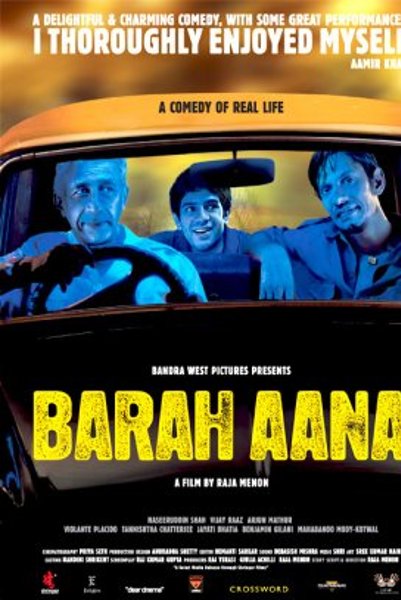
Barah Aana is a 2009 Indian Hindi-language black comedy drama film written and directed by Raja Menon. The lead cast includes Naseeruddin Shah, Vijay Raaz, and Arjun Mathur. The story follows three impoverished roommates in Mumbai — a driver, a watchman, and a waiter — who discover a gun and turn to robbery to escape poverty. The film examines the moral costs of easy money and the weight of guilt. It was praised for its honest storytelling and strong performances from the three leads. Barah Aana was released in theaters on 6 March 2009.
Barah Aana is streaming on Netflix and Airtel Xstream Play.
Where to watch:Quick Facts
- Streaming on
- Netflix, Airtel Xstream Play, Amazon Prime Video, Plex, YouTube
- Theatrical Release
- 20 March 2009
- Director
- Raja Menon
- Language
- Hindi
- Runtime
- 1h 58m
- Rating
- 7.1/10
Storyline
Three broke friends share a tiny room in Mumbai. They work hard but never have enough money. Then one of them finds a gun. They decide to use it to rob rich people. The money changes their lives, but guilt follows. They must choose between easy cash and their conscience.
“Sometimes the hardest choice is the right one”
Film Details
Parental Guide
Where to Watch
Vibe & Tags
Cast & Crew
Reunion Meter
Frequent partnerships reunited for Barah Aana
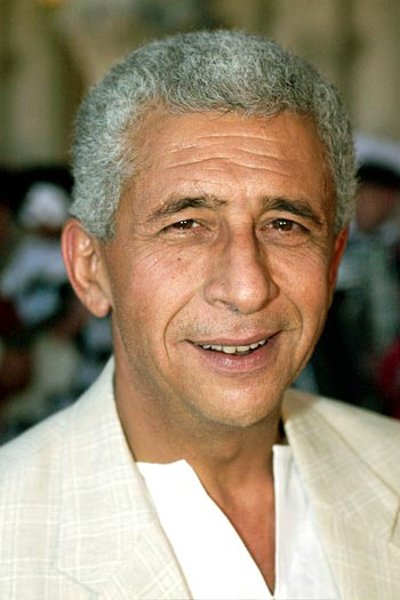
Cast reunions in this film: Vijay Raaz & Naseeruddin Shah (2 films together), Naseeruddin Shah & Benjamin Gilani (2 films together), and Naseeruddin Shah & Arjun Mathur (2 films together).
Trivia
- The film was shot in just 19 days, mostly on real locations in Mumbai to keep the budget low.
- Director Raja Menon made this film before his big-budget hit 'Airlift', showing his early interest in simple stories.
- Actor Naseeruddin Shah, who plays a driver, learned to drive an auto-rickshaw for his role.
- The movie's title 'Barah Aana' refers to an old Indian coin worth 12 annas, hinting at small change and small lives.
- It premiered at the New York Indian Film Festival in 2009 before its release in India.
- The story is a dark comedy but is inspired by real-life struggles of low-wage workers in big cities.
- The film uses many long, single-take shots to create a feeling of real time and pressure.