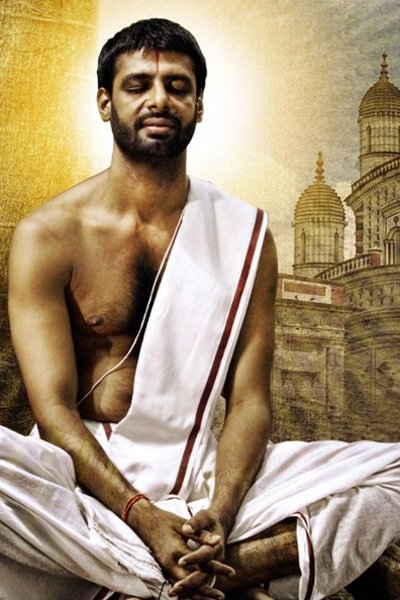
Sri Ramakrishna Darsanam Full Story Explained (2012)
Have you ever wondered what it feels like to see God face to face? That is the question at the heart of 'Sri Ramakrishna Darsanam', a 2012 Tamil biographical film. The movie tells the true story of Ramakrishna Paramahamsa, a 19th-century mystic from Bengal who spent his life seeking the divine. Directed by G.N. Dass, the film stars Delhi Ganesh in the lead role. It is a quiet, emotional journey that shows how one man's faith can inspire millions. You do not need to be religious to feel the power of his story. The film is simple, honest, and deeply moving. It makes you think about life, death, and what really matters.
A mystic sees God
The film opens with young Ramakrishna in a deep trance. He is just a boy, but his eyes are not on this world. He claims he can see the goddess Kali standing right in front of him. His family does not know what to make of it. Some think he is crazy. Others feel a strange peace around him. This moment sets the tone for his entire life.
Full Plot
The film begins in early 19th-century Bengal. A boy named Gadadhar Chattopadhyay, who will later be known as Ramakrishna, shows signs of spiritual ecstasy from a young age. He falls into trances easily and claims to see the goddess Kali. His family is both proud and worried. They send him to work as a priest at the Dakshineswar Kali Temple near Kolkata. This becomes the centre of his life.
At the temple, Ramakrishna's longing for God becomes unbearable. He spends hours crying and praying. He forgets to eat. He neglects his duties. The temple authorities complain. But Ramakrishna cannot stop. He feels that the stone idol of Kali is alive. One night, in total despair, he grabs a sword and threatens to kill himself if he does not see the goddess. At that moment, he has a vision. The entire temple fills with light. He sees Kali as a living mother. This experience changes him forever.
After this vision, Ramakrishna starts exploring other religions. He invites a Muslim fakir to teach him Islamic prayer. He reads the Bible and follows Christian practices. He even meditates like a Buddhist monk. Each time, he reaches the same divine state. He concludes that all religions are different paths to the same God. This idea is radical for his time. Many people call him mad. But a small group of followers begins to gather around him.
Ramakrishna's wife, Sarada Devi, plays a key role in his life. She marries him as a child, but they live like spiritual companions. She supports him even when she does not understand him. She becomes his first disciple. Together, they create a home where seekers of truth are always welcome. Ramakrishna teaches through simple stories and parables. He uses everyday examples from village life to explain deep spiritual ideas.
As his fame grows, Ramakrishna attracts educated young men from Kolkata. One of them is Narendranath Datta, who later becomes Swami Vivekananda. Narendra is a sceptic. He questions everything Ramakrishna says. But Ramakrishna's love and patience win him over. Narendra becomes his most important disciple. Ramakrishna predicts that Narendra will spread his message across the world.
In the final years of his life, Ramakrishna develops throat cancer. He suffers immense pain but never complains. He continues to teach until his voice gives out. He tells his disciples that the body is temporary, but the soul is eternal. On 16 August 1886, he dies peacefully. His last words are about God. The film ends with a message that his teachings continue to inspire people around the world. Swami Vivekananda goes on to establish the Ramakrishna Mission, which serves the poor and spreads spiritual knowledge.
Characters
Ramakrishna Paramahamsa
He is the central figure of the film. Born as Gadadhar Chattopadhyay, he is a mystic who seeks direct experience of God. He spends years in prayer and meditation at the Dakshineswar Temple. He teaches that all religions lead to the same truth. In the end, he dies peacefully, leaving behind a legacy of love and spiritual wisdom.
Sarada Devi
She is Ramakrishna's wife. They marry when she is a child, but their relationship is purely spiritual. She supports Ramakrishna through his ecstasies and illnesses. She becomes his first disciple and a mother figure to his followers. After his death, she continues his work and becomes a spiritual guide herself.
Swami Vivekananda
Played by Narendranath Datta
He is Ramakrishna's most famous disciple. He starts as a sceptic who questions everything. Ramakrishna's love and wisdom transform him. He becomes a powerful speaker and spreads Ramakrishna's message across India and the West. He founds the Ramakrishna Mission to serve the poor.
Mathur Babu
He is the wealthy owner of the Dakshineswar Temple. He hires Ramakrishna as a priest. At first, he is annoyed by Ramakrishna's strange behaviour. But over time, he becomes a devoted follower. He protects Ramakrishna from critics and provides for his needs.
Themes
Unity of Religions
The film shows Ramakrishna practising Hinduism, Islam, and Christianity. He finds the same divine presence in all of them. This teaches that no single religion has a monopoly on truth. The message is especially powerful in a world divided by religious conflict.
The Power of Faith
Ramakrishna's faith is so strong that it gives him visions of God. He proves that sincere longing can lead to direct spiritual experience. The film shows that faith is not blind belief. It is a burning desire that transforms a person's entire life.
Renunciation and Detachment
Ramakrishna gives up everything: money, comfort, and even his own health. He teaches that attachment to worldly things causes suffering. True peace comes from detaching from the ego and surrendering to God. His life is a living example of this teaching.
Service to Humanity
Ramakrishna tells his disciples that serving others is the same as serving God. This idea becomes the foundation of the Ramakrishna Mission. The film shows that spirituality is not just about meditation. It is also about helping the poor and the suffering.
Ending Explained
The ending of 'Sri Ramakrishna Darsanam' is quiet and deeply emotional. Ramakrishna is on his deathbed, suffering from throat cancer. He can barely speak, but his eyes are full of peace. His wife Sarada Devi sits beside him, holding his hand. His disciples, including Narendra, gather around him. Ramakrishna gives his final teachings in a weak voice. He tells them to love God and serve all people. He says that the body is like a rented house. The soul will move on. Then he asks them to sing the name of God. As they sing, Ramakrishna closes his eyes and takes his last breath. His face is calm, like a child falling asleep. The disciples feel a wave of peace wash over them. The film then cuts to a shot of the Dakshineswar Temple at sunrise. A narrator explains that Ramakrishna's message spread across the world through Swami Vivekananda. The final message is clear: love is the only truth. The director leaves the audience with a feeling of hope. Death is not the end. The spirit of Ramakrishna lives on in every act of kindness and every moment of faith.
Frequently Asked Questions
Yes, the film is a biographical drama based on the real life of Ramakrishna Paramahamsa. He was a 19th-century Bengali mystic saint. The movie shows his spiritual journey, his visions, and his teachings. Most events in the film are historically accurate.
The role of Ramakrishna was played by veteran Tamil actor Delhi Ganesh. He is known for his supporting roles in many Tamil films. His performance in this movie was praised for its sincerity and emotional depth.
The main message is that all religions lead to the same God. Ramakrishna practised different faiths and found the same divine truth in each. The film also teaches the importance of love, service, and detachment from material things.
Yes, the film is suitable for all ages. It has no violence, bad language, or adult scenes. It is a peaceful and inspiring story. Parents can watch it with their children and discuss the spiritual themes together.
The film is not widely available on major streaming platforms. It may be available on Tamil devotional channels or DVD. Some clips and scenes are uploaded on YouTube. Check local Tamil film libraries or religious bookstores for copies.