Time Out(2015)
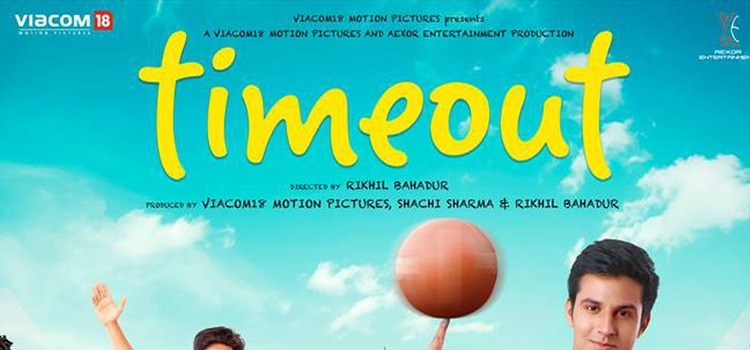
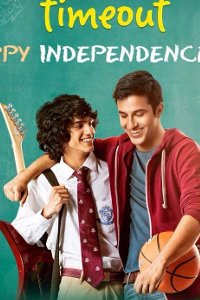
Time Out is a 2015 Indian Hindi-language drama film directed by Rikhiil V Bahadur. The lead cast includes Chirag Malhotra, Pranay Pachauri, and Kaamya Sharma. The story centers on 14-year-old Gaurav Aggarwal, who discovers his older brother Mihir is gay. Set in an elite international school, the film explores the family and social turmoil that follows this revelation. It is notable for its candid portrayal of homosexuality in Indian cinema, a topic often considered taboo. The film received mixed reviews but was praised for its brave subject matter and authentic performances. It was released in theatres on September 25, 2015, and later became available on streaming platforms.
Quick Facts
- Streaming on
- Netflix
- Theatrical Release
- 25 September 2015
- Director
- Rikhil Bahadur
- Language
- Hindi
- Runtime
- 1h 38m
- Rating
- 4.7/10
Storyline
A 14-year-old boy named Gaurav has always idolized his older brother Mihir. But when he accidentally learns that Mihir is gay, his world turns upside down. Now Gaurav must choose between the love for his brother and the fear of what society will think.
“Love is love. Always.”
Film Details
Parental Guide
Where to Watch
Vibe & Tags
Cast & Crew
Trivia
- The film was originally titled 'Mihir' after the elder brother character before being renamed 'Time Out'.
- It was shot in just 18 days on a modest budget, primarily in real locations in Mumbai.
- The actor playing Mihir, Anshuman Jha, had previously starred in the acclaimed indie film 'Love Sex Aur Dhokha'.
- The film's script was developed at a screenwriting lab organized by the National Film Development Corporation of India.
- It premiered at the MAMI Mumbai Film Festival in 2014, a year before its wider release.
- The movie uses the sport of basketball as a visual metaphor for the brothers' changing relationship.
- Director Rikhil Bahadur stated the story was inspired by observing generational shifts in attitudes toward sexuality in urban India.