Kazhugu(1981)
Kazhugu is a 1981 Indian Tamil-language action film directed by S. P. Muthuraman. It stars Rajinikanth as Raja, alongside Rati Agnihotri, Sumalatha, and Sangili Murugan. The story follows Raja, a sceptic who witnesses a human sacrifice while on his honeymoon. He investigates a cult led by a fake saint who uses hypnosis and drugs to control followers. The film is inspired by the 1975 American film Race with the Devil. It features a custom caravan bus built specifically for the production. The music was composed by Ilaiyaraaja. Kazhugu was released on 6 March 1981 and received mixed reviews. It performed averagely at the box office due to its offbeat theme.
Kazhugu (1981) OTT release date is not officially announced yet — GudVibe tracks its streaming availability daily.
Where to watch:Quick Facts
- Theatrical Release
- 6 March 1981
- Director
- S. P. Muthuraman
- Language
- Tamil
- Runtime
- 2h 19m
- Rating
- 7.5/10
Storyline
Raja, a cheerful sceptic, marries Hema and goes on a honeymoon in a custom caravan bus. They camp near a remote village where Raja witnesses a young woman being beheaded in a ritual. The police deny the murder exists. Raja must uncover the truth behind the cult and its charismatic leader before his own family becomes the next sacrifice.
“The eagle sees everything.”
Film Details
Parental Guide
Vibe & Tags
Cast & Crew





Reunion Meter
Frequent partnerships reunited for Kazhugu
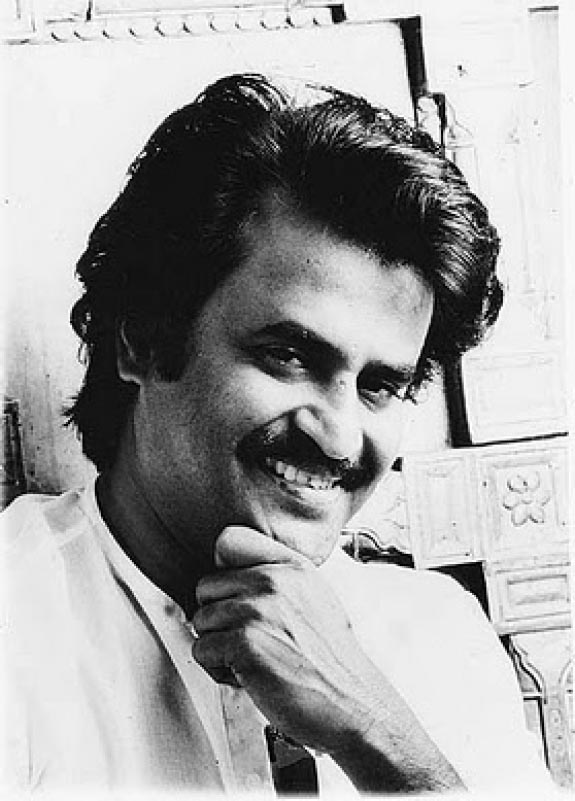
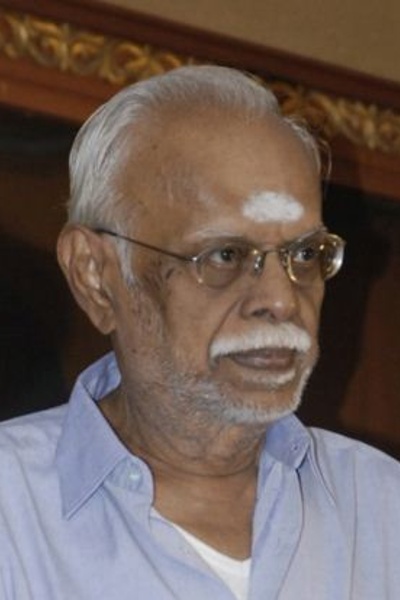
Cast reunions in this film: Rajinikanth & Ilayaraja (58 films together), Ilayaraja & Thengai Srinivasan (50 films together), Ilayaraja & S. P. Muthuraman (43 films together), Ilayaraja & V. K. Ramasamy (42 films together), Ilayaraja & Panchu Arunachalam (26 films together), and Rajinikanth & S. P. Muthuraman (23 films together).

Trivia
- The film was inspired by a real-life incident involving a controversial godman in Tamil Nadu.
- Kazhugu marked the first collaboration between director S.P. Muthuraman and actor Sathyaraj in a lead role.
- The movie's title, meaning 'Eagle', is a metaphor for the protagonist's sharp, questioning nature.
- A hit upon release, its success helped establish Sathyaraj as a bankable solo hero.
- The script deliberately avoided typical masala song sequences to maintain a serious tone.
- It was one of the few films of its time to critically examine blind faith and religious exploitation.
- Composer Ilaiyaraaja's background score used unique percussion to heighten the tense atmosphere.