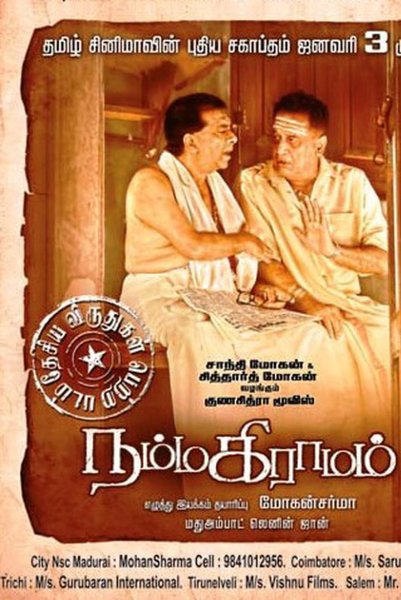
Namma Gramam Full Story Explained (2014)
Imagine a young girl trapped between cruel men and old, blind traditions. That is the heart of Namma Gramam, a Tamil drama released in 2014. Directed by Mohan Sharma, the film stars Fathima Babu, Y.G. Mahendran, and Aneesh Menon in key roles. Set in a small village in Palakkad during the late 1930s and 1940s, it shows the harsh social rules of that time. The story follows a helpless girl who fights against male tyranny and outdated beliefs. This is not a happy, light movie. It is a raw, emotional look at how society crushes the weak. The film won three awards for its honest storytelling and strong performances.
A girl trapped by men
The film opens in a quiet village in Palakkad. It is the late 1930s. A young girl named Bhargavi lives with her family. But she has no freedom. Her father and the village elders control every move she makes. She is caught between their cruelty and the old, blind rules of the village.
Full Plot
Namma Gramam is set in a small village in Palakkad, Kerala, during the late 1930s and mid-1940s. The story focuses on Bhargavi, a young girl who lives under the strict control of her father and the village elders. The village is ruled by men like Panikkar Jolsyan, who enforce old traditions without question. Women have no rights and no voice. Bhargavi's only comfort is her love for Pottan Kuttan, a poor but kind young man. They dream of a life together, but the village has other plans.
Bhargavi's father arranges her marriage to an older, wealthy man. He does not care about her feelings. He only cares about money and family honor. Bhargavi refuses to accept this fate. She tries to run away with Pottan Kuttan, but the village elders catch them. Panikkar Jolsyan and the other men humiliate her. They lock her in her house and forbid her from seeing Pottan Kuttan again. The pressure on Bhargavi grows unbearable.
Just when she needs him most, Pottan Kuttan disappears. No one knows where he went. Some villagers say he was chased away. Others say he gave up and left on his own. Bhargavi is left alone to face her family's anger. Her last hope is gone. She feels completely abandoned and trapped.
Her father forces her to marry the older man. The wedding happens against her will. Bhargavi cries but no one listens. The village celebrates while she suffers. She is now trapped in a marriage she never wanted. Her dreams of love and freedom are crushed. She lives in misery for months.
But Bhargavi decides she cannot live like this forever. She stands up to her husband and her father. She tells them she will not be a silent victim. She leaves the marriage and returns to her village. The village is shocked by her rebellion. Some women support her secretly, but the men shun her. She loses her family and her place in society. Yet she does not regret her choice. The film ends with Bhargavi walking alone but with her head held high. She chose her freedom over everything else.
Characters
Bhargavi
Bhargavi is the young girl at the center of the story. She is kind, dreamy, and wants to live her own life. She falls in love with Pottan Kuttan and fights against her father's arranged marriage. In the end, she leaves her forced marriage and chooses freedom, even though it costs her everything.
Pottan Kuttan
Pottan Kuttan is a poor but honest young man. He loves Bhargavi and wants to marry her. He tries to help her escape, but the village elders chase him away. He disappears from the story, leaving Bhargavi alone to face her family.
Panikkar Jolsyan
Panikkar Jolsyan is one of the powerful village elders. He enforces old traditions without mercy. He humiliates Bhargavi when she tries to run away with Pottan Kuttan. He represents the male tyranny that traps the young girl.
Bhargavi's Father
Bhargavi's father is a strict, traditional man. He arranges her marriage to an older, wealthy man for money and honor. He does not care about her feelings. He forces her to marry against her will.
Themes
Male Tyranny
The film shows how men control every part of a woman's life. Panikkar Jolsyan and Bhargavi's father decide her future without asking her. They use old traditions to justify their cruelty. The story criticizes this male dominance.
Old World Obscurantism
The village follows blind traditions that hurt people. Arranged marriages are forced on young girls. Women have no voice. The film shows how these outdated beliefs destroy lives. Bhargavi fights against this ignorance.
Freedom and Choice
Bhargavi wants the freedom to choose her own life. She dreams of marrying the man she loves. When that is taken from her, she fights back. The film celebrates her courage to choose her own path, even when it costs her everything.
Sacrifice and Loss
Bhargavi loses her family, her home, and her place in society. She sacrifices everything for her freedom. The film shows that standing up for yourself often comes with great personal loss. But it also shows that some things are worth fighting for.
Ending Explained
The ending of Namma Gramam is both sad and powerful. Bhargavi has been forced into a marriage she never wanted. She lives in misery for months. But one day, she decides she cannot take it anymore. She stands up to her husband and her father. She tells them clearly that she will not be a silent victim. She leaves the marriage and returns to her village. The village is shocked by her rebellion. Some women support her secretly, but the men shun her. She loses her family and her place in society. She is now an outcast. But Bhargavi does not regret her choice. The final shot shows her walking alone. Her head is held high. She has chosen her freedom over everything else. The director leaves the audience with a message: sometimes the bravest thing you can do is walk away from everything you know. Bhargavi's story is a reminder that fighting for your own life is always worth it, even if you lose everything in the process.
Frequently Asked Questions
Namma Gramam is about a young girl named Bhargavi who is trapped between cruel men and old traditions. She falls in love with a poor man but is forced to marry someone else. The film shows her struggle for freedom in a village that controls every part of her life.
Namma Gramam was directed by Mohan Sharma. He also wrote the story and the screenplay. The film is his directorial debut and won three awards for its honest storytelling.
Namma Gramam was released on August 10, 2012, in India. It is a Tamil-language drama film. The runtime is 1 hour and 40 minutes.
The main actors are Fathima Babu, Y.G. Mahendran, and Aneesh Menon. Other cast members include Sukumari, Samvrutha Sunil, and Nedumudi Venu. Aneesh Menon plays the role of Pottan Kuttan.
The source material does not confirm if it is based on a true story. But the film is set in the late 1930s and mid-1940s in a village in Palakkad. It shows real social problems of that time, like forced marriages and male dominance.