Alayam(1967)
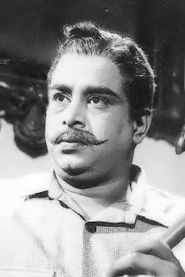
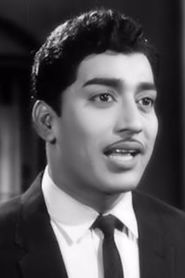
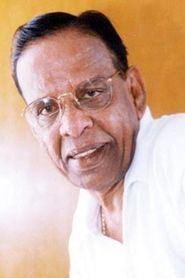
Aalayam (1967) is a Tamil-language drama film directed by Thirumalai–Mahalingam. It stars Major Sundarrajan as Ramalingam, with Nagesh, V. K. Ramasamy, and C. Vasantha in supporting roles. The story follows a single day in the life of an honest clerk who is offered a bribe to help his son-in-law. The film is based on the stage play Nenje Nee Vaazhga and was shot entirely in an office setting. It won the National Film Award for Best Feature Film in Tamil and the Tamil Nadu State Film Award for Best Film – Second Prize. The soundtrack was composed by T. K. Ramamoorthy with lyrics by Kannadasan. The film was released on 11 August 1967.
Alayam (1967) OTT release date is not officially announced yet — GudVibe tracks its streaming availability daily.
Where to watch:Quick Facts
- Theatrical Release
- 31 December 1967
- Director
- Thirumalai Mahalingam
- Language
- Tamil
- Runtime
- 1h 45m
- Rating
- 7.8/10
Storyline
Ramalingam is a poor but honest clerk who values integrity above all else. When his son-in-law loses money at his bank job, Ramalingam's family begs him to take a bribe to save them. He must decide in one single day whether to break his principles or let his family suffer.
“The real temple is an honest heart”
Film Details
Parental Guide
Vibe & Tags
Cast & Crew
Reunion Meter
Frequent partnerships reunited for Alayam
Cast reunions in this film: Nagesh & Major Sundarrajan (43 films together), Nagesh & R. Muthuraman (43 films together), Major Sundarrajan & R. Muthuraman (20 films together), Nagesh & T. K. Ramamoorthy (8 films together), Nagesh & Thirumalai Mahalingam (4 films together), and T. K. Ramamoorthy & Sunbeam Productions (3 films together).
Trivia
- The film was based on a popular Tamil stage play of the same name, which also starred S.V. Sahasranamam in the lead role.
- Director Mahalingam was a former cinematographer, and this was one of his few directorial ventures in Tamil cinema.
- The film's music was composed by the renowned duo Viswanathan–Ramamurthy, but it had only one song, a rare approach for its time.
- It was one of the early films for actress Jayalalithaa, where she played a supporting role before becoming a major star.
- The story's central ethical dilemma was noted for reflecting middle-class values and financial anxieties of the 1960s.
- The film was praised for its strong performance by S.V. Sahasranamam, who was primarily known as a stage and character actor.
- Despite its critical acclaim, the film is less remembered today compared to other social dramas from the same era.