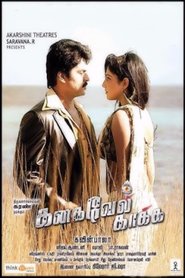
Kanagavel Kaaka(2010)
Kanagavel Kaaka is a 2010 Indian Tamil-language action film written and directed by Kavin Bala. The film stars Karan and Haripriya in lead roles, with Sampath Raj and Kota Srinivasa Rao playing supporting parts. The story follows a court employee who witnesses wealthy criminals evading the law and decides to take personal action against the corrupt judicial system. The film is noted for its vigilante justice theme and its critique of systemic corruption in Indian courts. It was released in Tamil Nadu in 2010.
Quick Facts
- Streaming on
- Sun NXT, JioTV, Airtel Xstream Play, Plex
- Theatrical Release
- 21 May 2010
- Director
- Kavin Bala
- Language
- Tamil
- Runtime
- 2h 23m 0
Storyline
A court clerk named Kanagavel watches rich criminals escape punishment every day. Frustrated by the corruption, he decides to deliver justice himself. He must outsmart powerful enemies and a broken system to make things right.
“One man against a broken system”
Film Details
Parental Guide
Where to Watch
Vibe & Tags
Cast & Crew






Reunion Meter
Frequent partnerships reunited for Kanagavel Kaaka
Cast reunions in this film: Kota Srinivasa Rao & Adithya Menon (6 films together), Sampath Raj & Kota Srinivasa Rao (4 films together), Karan & Vaiyapuri (4 films together), Sampath Raj & Vaiyapuri (2 films together), and Vaiyapuri & Adithya Menon (2 films together).
Trivia
- The film's title 'Kanagavel Kaaka' refers to a crow character from Tamil folklore, symbolizing a messenger.
- It was one of the few Tamil films shot extensively in Hyderabad, despite being set in a rural backdrop.
- Actor Karan, known for romantic roles, performed his own stunts in the action sequences for this film.
- The movie's climax was filmed at a real abandoned factory, adding to its raw visual style.
- Director Kavin Bala also wrote the dialogues, drawing from local Madurai slang for authenticity.
- It had a limited theatrical run, with many shows canceled due to competition from bigger releases that week.
- The soundtrack by Srikanth Deva included a folk song that sampled a traditional 'Oppari' (lament) melody.