Amrit(1986)
Amrit is a 1986 Indian Hindi-language drama film directed by Mohan Kumar. It stars Rajesh Khanna as Amritlal Sharma and Smita Patil as Kamla Srivastav. The story follows two elderly parents who are mistreated and neglected by their respective children. They find friendship and solace in each other's company. The film explores themes of elderly neglect, family dysfunction, and the search for dignity in old age. It was critically acclaimed and received five stars in the Bollywood Guide Collections. Rajesh Khanna won the BJFA Best Actor award for his performance. The film was a commercial success, celebrating silver jubilee at many centres. It was later remade in Telugu as Aatma Bandhuvulu.
Quick Facts
- Streaming on
- Zee5, ShemarooMe, Airtel Xstream Play, YouTube
- Theatrical Release
- 27 June 1986
- Director
- Mohan Kumar
- Language
- Hindi
- Runtime
- 3h 10m
- Rating
- 3.7/10
Storyline
Amritlal Sharma is a retired father living with his ungrateful son. Kamla is a widow treated like a servant by her daughter-in-law. They meet in a garden and become friends. When their families throw them out, they must decide between a lonely life or finding happiness together against society's judgment.
“When family forgets, love remembers.”
Film Details
Parental Guide
Where to Watch
Vibe & Tags
Cast & Crew

Reunion Meter
Frequent partnerships reunited for Amrit
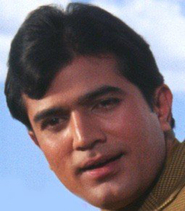
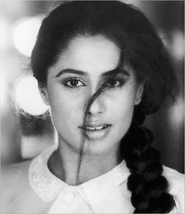
Cast reunions in this film: Rajesh Khanna & Smita Patil (6 films together), Rajesh Khanna & Aruna Irani (5 films together), and Aruna Irani & Smita Patil (3 films together).
Trivia
- The film's title 'Amrit' means 'nectar of immortality' in Hindi, contrasting with the story's focus on aging and neglect.
- Director Mohan Kumar was known for family dramas, and this was his second collaboration with lead actor Rajesh Khanna.
- It was one of the few films where veteran actress Smita Patil played an elderly widow, released shortly before her untimely death.
- The movie underperformed at the box office, reflecting a shift in audience taste toward action and romance in the mid-1980s.
- A subplot involves a popular song 'Jawani Jan-E-Man' that was picturized in a dream sequence, providing a rare cheerful moment.
- The film's theme of elder abuse was considered socially relevant but rarely addressed in mainstream Hindi cinema at the time.
- Cinematographer V. K. Murthy, known for his work with Guru Dutt, lent a subtle visual tone to this intimate drama.