Giddh: The Vulture(1984)
Giddh: The Vulture (1984) is a 113-minute Hindi film directed by T.S. Ranga. Starring Achyut Potdar, M. K. Raina and Naseeruddin Shah. With a rating of 5.8/10 reflecting mixed audience reception from 1984.
Quick Facts
- Streaming on
- YouTube
- Theatrical Release
- 1 January 1984
- Director
- T.S. Ranga
- Language
- Hindi
- Runtime
- 1h 53m
- Rating
- 5.8/10
Storyline
In a remote village on the border of two Indian states, a tradition forces poor families to give their young daughters to a temple. These girls, known as Devdasis, are dedicated to serve a goddess. The story explores this practice and its impact on the community.
“A village sacrifices its daughters to a goddess.”
Film Details
Parental Guide
Where to Watch
Vibe & Tags
Cast & Crew
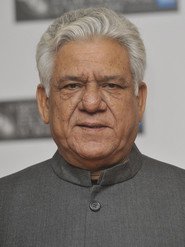

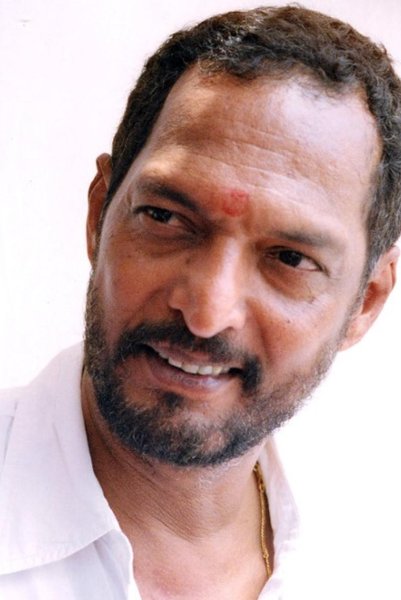
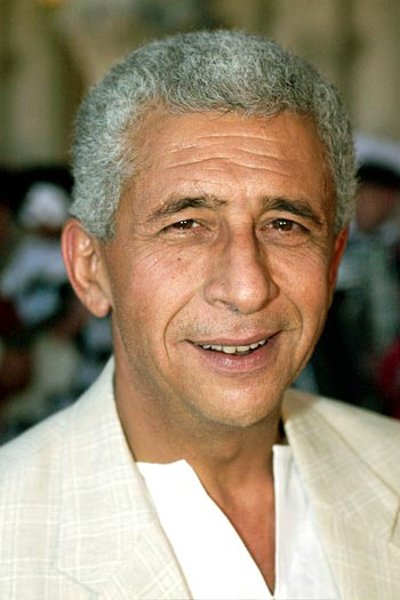
Reunion Meter
Frequent partnerships reunited for Giddh: The Vulture
Cast reunions in this film: Naseeruddin Shah & Om Puri (21 films together), Naseeruddin Shah & Smita Patil (12 films together), Om Puri & Smita Patil (9 films together), Nana Patekar & Naseeruddin Shah (3 films together), Nana Patekar & Om Puri (3 films together), and Nana Patekar & Smita Patil (2 films together).
Trivia
- The film is based on the real-life Devadasi tradition in parts of Karnataka and Maharashtra.
- Director T. S. Ranga was known for making socially conscious films on rural issues.
- It was shot on location in the border villages to capture authentic settings and people.
- The film faced censorship challenges for its direct portrayal of a sensitive social practice.
- Actress Sujata Meher, who played a key role, was a notable performer in parallel cinema.
- The movie did not achieve major commercial success but was noted by critics.
- It highlighted the work of activists fighting against the exploitation within the tradition.