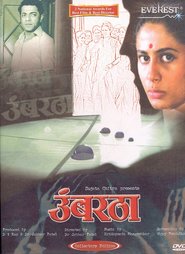
Umbartha Full Story Explained (1982)
Imagine a woman who wants more than just a comfortable home. She wants to change the world. That is Sulabha Mahajan. This 1982 film, directed by Jabbar Patel, tells her powerful story. Smita Patil plays Sulabha with incredible strength and emotion. The film released on August 6, 1982. It is a classic of Indian parallel cinema. It shows a woman's fight to find her own identity. She faces opposition from her husband, her family, and society. But she never gives up on her dream. This is a story about courage, sacrifice, and the true meaning of home.
A Woman's Dream Begins
Sulabha Mahajan lives in a comfortable home. She has a loving husband and a young daughter. But she feels trapped inside her four walls. She dreams of doing something bigger. She wants to help women who are abused and neglected. This dream will change everything.
Full Plot
Sulabha Mahajan is a married woman living in a traditional home. She has a loving husband named Subhash, a young daughter named Rani, and a conservative mother-in-law. But Sulabha feels restless. She dreams of stepping outside her four walls. She wants to do something meaningful for society. She wants to help women who are abused and neglected. Her passion is strong and clear.
Sulabha gets a job offer as the Superintendent of a Women's Reformatory Home. It is located in a remote town called Sangamwadi. She is excited about this opportunity. But her husband Subhash objects strongly. He is a lawyer and believes her duty is at home. Her mother-in-law also refuses to understand. Only her sister-in-law Maya supports her. Maya offers to take care of Rani. Determined, Sulabha leaves her family and moves to Sangamwadi.
At the reformatory, Sulabha faces many problems. The place is full of corruption and neglect. The managing committee is selfish. They do not care about the women. The local MLA Bane uses the inmates for his own sexual needs. Sulabha starts to bring discipline. She discovers frauds. She begins classes to educate the women. She even arranges a marriage for one inmate to give her a new life. But the system fights back against her.
Two inmates try to run away from the home. They are caught and brought back by force. They feel completely hopeless and trapped. In a tragic moment, they commit suicide by burning themselves. The incident shocks everyone. The committee blames Sulabha for losing control. Newspapers write negative stories about her. An administrative enquiry is set up against her. Feeling defeated, Sulabha decides to resign. She gives up her dream and returns home.
When Sulabha returns home, Maya welcomes her happily. But her daughter Rani is distant and cold. Her mother-in-law is not happy to see her. Then Sulabha discovers the worst betrayal. Her husband Subhash has been having an affair with another woman while she was away. Her sacrifice has destroyed her family. But this betrayal gives her a new strength. She realizes she cannot be happy in this home. She decides to leave again. She sets off once more to follow her dream work. She walks out the door, this time for good.
Act Breakdown
The Dream is Born
We meet Sulabha Mahajan. She lives a comfortable life with her husband Subhash and daughter Rani. But she feels trapped. She dreams of doing something bigger. She gets a job offer to run a women's reformatory. Her family objects, but she decides to go.
Facing the System
Sulabha arrives at the reformatory. She sees the corruption and neglect. She starts to bring discipline and change. She fights against the selfish committee and the powerful MLA Bane. She helps the women but faces strong opposition.
Tragedy and Defeat
Two inmates commit suicide by burning themselves. The tragedy is blamed on Sulabha. An enquiry is set up against her. She feels defeated and resigns. She gives up her dream and returns home. She thinks she has failed.
A New Freedom
Sulabha returns home to a cold welcome. She discovers her husband Subhash has had an affair. This betrayal changes everything. She realizes she cannot be happy in this home. She finds her strength again. She leaves to follow her dream once more.
Characters
Sulabha Mahajan
Played by Smita Patil
Sulabha is the heart of the film. She is a passionate woman who dreams of helping abused women. She leaves her comfortable home to run a reformatory. She fights corruption and faces many challenges. In the end, she is betrayed by her husband but finds the strength to pursue her dream again.
Advocate Subhash Mahajan
Played by Girish Karnad
Subhash is Sulabha's husband. He is a busy lawyer with traditional views. He does not support his wife's dream to work. He believes her place is at home. While she is away, he has an affair with another woman. His betrayal is the final blow for Sulabha.
Maya Mahajan
Played by Ashalata Wabgaonkar
Maya is Subhash's sister-in-law. She is the only family member who supports Sulabha. She offers to take care of Rani when Sulabha leaves. She welcomes Sulabha warmly when she returns. She represents the quiet support that women need.
Mrs. Mahajan
Played by Kusum Kulkarni
She is Sulabha's mother-in-law. She is very conservative. She believes a woman's only duty is to her home and family. She strongly opposes Sulabha's job. She is cold and unwelcoming when Sulabha returns.
MLA Bane
Played by Ravi Patwardhan
Bane is a powerful local politician. He uses the women's reformatory for his own selfish needs. He regularly uses the inmates for his sexual satisfaction. He represents the corrupt system that Sulabha fights against.
Rani
Played by Pournima Ganu / Radha Karnad
Rani is Sulabha and Subhash's young daughter. She is left in Maya's care when Sulabha leaves. When Sulabha returns, Rani is distant and cold. She represents the personal cost of Sulabha's choices.
Scene Highlights
Sulabha Decides to Leave
Sulabha stands in her home. Her husband Subhash argues with her. He says her duty is at home. Her mother-in-law joins in. But Sulabha's face shows her determination. She looks at her daughter Rani. Then she makes her choice. She walks out the door. This scene shows her courage and her pain.
The Inmates' Suicide
Two women try to run away from the reformatory. They are caught and brought back. They feel completely hopeless. They decide to end their lives. They set themselves on fire. The scene is shocking and tragic. It shows the deep despair of the women. It also shows the failure of the system.
Sulabha Discovers the Betrayal
Sulabha is back home. She feels lost and defeated. She finds something that reveals her husband's affair. Her face shows shock and pain. She realizes her sacrifice was for nothing. This moment breaks her heart. But it also gives her a strange freedom.
The Final Walk
Sulabha stands at the doorstep of her home. She looks back one last time. Her daughter Rani is inside. Her husband is gone. She has nothing left here. She turns and walks away. Her steps are firm. She is not running away. She is walking towards her own future.
Cast & Context
Umbartha brought together two giants of Indian cinema. Smita Patil was already a celebrated actress of parallel cinema. She was known for powerful roles in films like 'Manthan' and 'Bhumika'. Girish Karnad was a legendary playwright and actor. This was not their first collaboration. They had worked together before. Their on-screen chemistry felt real and intense. Patil brought raw emotion to Sulabha. Karnad brought a quiet authority to Subhash. Their pairing made the family drama feel authentic and deeply moving.
Themes
A Woman's Identity
The film is about a woman finding herself. Sulabha is not just a wife and mother. She has her own dreams and ambitions. She wants to be a citizen who makes a difference. The film shows her struggle to be seen as more than her roles at home.
Sacrifice and Betrayal
Sulabha sacrifices her family life for her dream. She leaves her home and daughter. But when she returns, she finds her husband has betrayed her. Her sacrifice seems wasted. But the betrayal also frees her to choose her own path.
Corruption in Systems
The reformatory is supposed to help women. But it is full of corruption. The committee is selfish. The local MLA uses the women for his own needs. Sulabha tries to fight this system. But the system is too powerful for one person.
The Meaning of Home
The title 'Umbartha' means 'The Doorstep'. Sulabha stands on the doorstep between two worlds. Her home with her husband is not a place of love anymore. She finds a new sense of home in her work. The film asks: where does a woman truly belong?
Music & Soundtrack
ComposerHridaynath Mangeshkar
The music of Umbartha is deeply emotional. The song 'Sunya Sunya Maifilit Majhya' became very popular. It is sung by Lata Mangeshkar. The song captures Sulabha's loneliness and longing. The music by Hridaynath Mangeshkar adds a layer of sadness and hope to the film.
Similar Films
Both films from 1982 explore a woman's identity and the pain of a failed marriage. Both star Smita Patil in powerful, emotional roles.
Both films star Smita Patil as a woman fighting against societal expectations to find her own identity. Both are classics of Indian parallel cinema.
Both films are directed by Shyam Benegal and feature Smita Patil. They both deal with women in difficult social situations and the systems that control them.
Ending Explained
The ending of Umbartha is powerful and hopeful. Sulabha returns home after failing at the reformatory. She expects comfort and love. Instead, she finds her daughter Rani is distant. Her mother-in-law is cold. Then she discovers the worst truth. Her husband Subhash has been having an affair with another woman. This betrayal changes everything for Sulabha. She realizes that the home she sacrificed everything for is not a home at all. It is a prison of expectations and lies. This realization gives her a new kind of freedom. She is no longer bound by guilt or duty. She gathers her strength one more time. She decides to leave again. She sets off to follow her dream work. This time, she is not leaving for her family's approval. She is leaving for herself. She walks out the door with her head held high. The message is clear: a woman's true home is where she can be herself. The doorstep is not a place to stop. It is a place to begin again.
Umbartha is a must-watch for anyone who loves meaningful cinema. It is not a fast or easy film. It is slow and emotional. But it is deeply rewarding. Smita Patil gives one of her best performances. The story is honest and painful. It shows the real cost of a woman's fight for independence. The film has some slow moments. But its emotional power stays with you. If you like films about real people and real struggles, watch this. It will make you think about home, sacrifice, and what it means to be free.
Frequently Asked Questions
No, Umbartha is not based on a true story. It is based on a Marathi novel called 'Beghar' by Shanta Nisal. The novel tells a fictional story about a woman's struggle. But the film feels very real because it shows honest emotions and social issues.
The title 'Umbartha' means 'The Doorstep' in English. It is a very meaningful title. Sulabha spends the whole film standing on the doorstep between two worlds. One world is her traditional home. The other world is her dream of independence. The doorstep is where her journey begins.
Sulabha left her home to take a job. She became the Superintendent of a Women's Reformatory Home. She wanted to help abused and neglected women. She felt trapped inside her four walls at home. She wanted to do something meaningful for society.
Sulabha's husband Subhash betrays her. While she was away working, he had an affair with another woman. When Sulabha returns home, she discovers this betrayal. It breaks her heart. But it also gives her the strength to leave him and follow her own path.
Yes, Umbartha won several awards. It won the National Film Award for Best Feature Film in Marathi in 1982. Smita Patil won the Maharashtra State Film Award for Best Actress for her role. The film was praised for its honest and powerful storytelling.