Humkadam(1980)
Humkadam is a 1980 Hindi family drama film directed by Anil Ganguly. It stars Rakhee Gulzar as Indu and Parikshit Sahni as Shekar Gupta, a married couple facing financial strain due to inflation. Indu takes a job to help, which creates tension with her husband's ego. The film explores themes of marital trust, gender roles, and middle-class struggles. Biswajeet Chatterjee appears as Mr. Dutt, Indu's kind employer. The music was composed by R.D. Burman. The film is known for its realistic portrayal of a couple's emotional journey. It was released in Indian theatres on 7 November 1980.
Quick Facts
- Streaming on
- ShemarooMe
- Theatrical Release
- 31 December 1980
- Director
- Anil Ganguly
- Language
- Hindi
- Runtime
- 2h 4m
- Rating
- 5.5/10
Storyline
A loving wife takes a job to help her struggling husband. But his ego and jealousy threaten to tear their family apart. Can they overcome pride and learn to be true partners?
“Love means sharing every burden.”
Film Details
Parental Guide
Where to Watch
Vibe & Tags
Cast & Crew
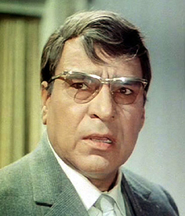


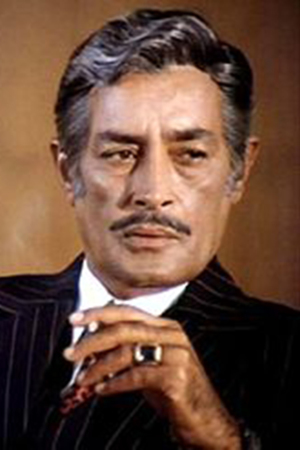
Reunion Meter
Frequent partnerships reunited for Humkadam
Cast reunions in this film: Raakhee & Rakhee Gulzar (15 films together), A.K. Hangal & Rakhee Gulzar (8 films together), A.K. Hangal & Dina Pathak (5 films together), Iftekhar & Madan Puri (4 films together), Helen & Iftekhar (3 films together), and Helen & Madan Puri (3 films together).

Trivia
- The film's title 'Humkadam' is a Persian-derived Urdu word meaning 'of equal rank' or 'worthy', reflecting the film's theme of partnership in marriage.
- This was one of the few films where actor Sanjeev Kumar and director Anil Ganguly collaborated, though Ganguly was better known for his work with Rajesh Khanna.
- The movie released during a period when many Hindi films were exploring urban middle-class family pressures and working women's roles.
- Actress Moushumi Chatterjee, who played Indu, was a major star of the 1970s but saw fewer leading roles by the early 1980s.
- The soundtrack, composed by Laxmikant-Pyarelal, did not produce any major chart-topping hits unlike many of their other scores from that era.
- A key plot point involves the protagonist losing his job, mirroring real economic anxieties in India during the late 1970s.
- The film's conflict is driven by a misunderstanding, a common narrative device in family dramas of the time to explore trust and tradition.