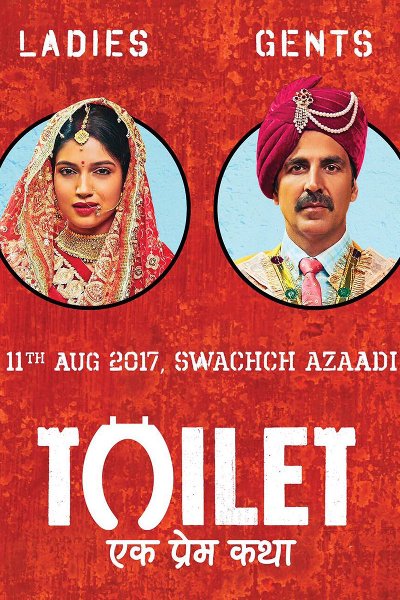
Toilet - Ek Prem Katha Full Story Explained (2017)
Imagine marrying the love of your life, only to have her leave you on the first day because you don't have a toilet. That's exactly what happens to Keshav in this 2017 Hindi comedy-drama. Starring Akshay Kumar and Bhumi Pednekar, the film is a hilarious and heartfelt look at a very real problem in rural India: open defecation. Inspired by a true story, it follows Keshav's crazy journey to win back his wife, Jaya, by building a toilet. It's a love story, a social message, and a laugh riot all rolled into one. The film became a huge hit, even catching the attention of Bill Gates and Prime Minister Narendra Modi.
A Bride Leaves Over a Toilet
Jaya marries Keshav, the man she loves. But on her very first morning in his village, she faces a harsh reality. There is no toilet in his house. She has to walk to a field with other women to relieve herself. Humiliated and angry, she refuses to do it. She tells Keshav she cannot live like this. When he doesn't fix the problem, she packs her bags and leaves him.
Full Plot
The film begins in the village of Nandgaon, Uttar Pradesh. We see women walking to the fields before sunrise to defecate in the open. This is their daily routine. Keshav Sharma is a young man whose father, Pandit Vimalnath Sharma, is a superstitious priest. Because of a bad horoscope, Keshav is forced to marry a black buffalo to improve his luck. This is played for laughs but shows the father's rigid beliefs.
Keshav then meets Jaya, a smart and educated college girl. They fall in love. Keshav knows his father will only approve of a bride with two thumbs on her left hand. Jaya doesn't have this, so Keshav buys her a fake thumb ring. The trick works, and they get married. On her first morning as a wife, Jaya is horrified to learn there is no toilet. She is forced to go to the fields. She feels humiliated and refuses to do it again.
Keshav tries to find temporary solutions. He takes Jaya to a neighbor's house that has a portable toilet for a sick old woman. He also takes her to the village train station, where the train stops for seven minutes, so she can use the toilet there. One day, Jaya gets locked in the train toilet and the train departs. She is furious and leaves Keshav, going back to her parents' house.
Keshav realizes he has to build a toilet. He asks the village Sarpanch for help, but the Sarpanch refuses. The villagers think toilets are a waste of money. With Jaya's help, Keshav contacts the government and gets approval to build a toilet in his front yard. When the toilet is finished, his father and the Sarpanch try to demolish it while Keshav sleeps. Keshav wakes up and fights to save his toilet.
Jaya, tired of the drama, files for divorce in court. The case becomes a media sensation. Everyone is talking about the woman who left her husband because he had no toilet. Politicians get involved. The government promises to build toilets in the village. But Keshav's father still refuses to let them use the new toilet.
The turning point comes when Keshav's grandmother, Rampyari, falls while trying to go to the fields. She injures her hip and cannot walk. She begs to use the toilet in the front yard. Pandit Vimalnath Sharma finally gives in and helps her. He realizes his mistake. On the day of the divorce hearing, the judge gets a notice that toilet construction for the whole village will start the next day. The couple reunites. The father apologizes. The village gets its toilets.
Act Breakdown
Love and Marriage
Keshav meets Jaya and falls in love. He tricks his superstitious father into approving the marriage. They get married happily. But the very next morning, Jaya discovers the house has no toilet. She is forced to go to the fields and feels deeply humiliated.
Separation and Struggle
Jaya leaves Keshav after a series of failed temporary fixes for the toilet problem. Keshav tries to convince the village elders to build toilets, but they refuse. He decides to build a toilet himself in his front yard, leading to a direct conflict with his father and the Sarpanch.
The Divorce Case
Jaya files for divorce, and the case becomes a national media sensation. Keshav's father tries to demolish the toilet but fails. Politicians get involved, promising to build toilets in the village. The pressure builds as the court date approaches.
Change and Reunion
Keshav's grandmother falls and injures herself, forcing his father to finally use the toilet. The father realizes his mistake. On the day of the hearing, the government announces a toilet-building project for the whole village. The divorce is cancelled, and the family is reunited.
Characters
Keshav Sharma
Played by Akshay Kumar
Keshav is a simple, loving husband from a rural village. He is caught between his love for his wife, Jaya, and his fear of his traditional father. He starts as a man who tries to take the easy way out but grows into a fighter. He risks everything, including his family's anger, to build a toilet and win back his wife.
Jaya Sharma
Played by Bhumi Pednekar
Jaya is an educated, modern woman who values her dignity. She loves Keshav but refuses to live in a house without a toilet. She is the catalyst for change in the story. Her decision to file for divorce shocks everyone but forces the entire village to confront a serious problem. She is strong, principled, and unwilling to compromise.
Pandit Vimalnath Sharma
Played by Sudhir Pandey
He is Keshav's father, a strict and superstitious village priest. He believes that building a toilet inside the home is against their traditions and religion. He is the main antagonist of the story. His stubbornness causes immense pain for his son and daughter-in-law. He only changes his mind after his own mother gets hurt.
Narayan 'Naru' Sharma
Played by Divyendu Sharma
Naru is Keshav's younger brother. He is a loyal and supportive friend to Keshav. Unlike his father, Naru is modern in his thinking and helps Keshav in his mission to build the toilet. He provides comic relief and stands by his brother through the family conflict.
Rampyari 'Dadi' Sharma
Played by Shubha Khote
She is Keshav's elderly grandmother. She is a kind woman who is forced to suffer because of the lack of a toilet. Her accidental fall and injury become the emotional trigger that finally makes her son, Pandit Vimalnath Sharma, realize the importance of having a toilet at home.
Dinanath 'DJ Kakka' Joshi
Played by Anupam Kher
He is Jaya's father. He is a supportive and loving parent. He stands by his daughter's decision to leave her husband and file for divorce. He represents the voice of reason and modernity, encouraging Jaya to fight for her basic rights.
Scene Highlights
The Morning After
This is the film's most crucial scene. Jaya, freshly married, is told by the other women to get ready for the morning walk to the fields. She is shocked and humiliated. She tries to go but comes back without doing anything. She confronts Keshav, and her anger and disappointment are raw and real. This scene sets the entire conflict in motion.
The Train Toilet Trap
Keshav thinks he has found a clever solution. He takes Jaya to the railway station every morning. She uses the toilet on the train during its seven-minute stop. One day, she gets locked inside the toilet, and the train departs with her. This comedic yet terrifying moment is the last straw for Jaya, and she decides to leave Keshav for good.
The Toilet Demolition
After Keshav builds the toilet, his father and the Sarpanch try to destroy it at night while he sleeps. Keshav wakes up and rushes out. He stands in front of the half-demolished toilet, refusing to move. He fights off the men with a stick. This is the moment Keshav transforms from a passive husband into an active hero.
The Grandmother's Fall
This is the emotional turning point of the film. Rampyari, the old grandmother, tries to walk to the fields. She is too weak and falls on the doorstep, crying in pain. She begs her son, Pandit Vimalnath Sharma, to let her use the new toilet. Seeing his mother in agony breaks his stubbornness and changes his heart.
Cast & Context
This film marked the second collaboration between Akshay Kumar and Bhumi Pednekar after their successful pairing in 'Dum Laga Ke Haisha' (2015). That film was also a social comedy about a married couple. Their chemistry was a major draw for audiences. Akshay Kumar, known for action and comedy, was building a reputation for socially relevant films. Bhumi Pednekar, a newcomer, proved her versatility by playing a strong, modern woman. The film also featured veteran actors like Anupam Kher and Sudhir Pandey, adding depth to the supporting cast.
Themes
Women's Dignity
The film shows how the lack of toilets in rural India is a huge problem for women. Jaya is humiliated by having to defecate in the open. She feels unsafe and undignified. Her fight for a toilet is a fight for her basic human dignity. The movie makes it clear that this is not a small issue but a matter of respect and safety for women.
Tradition vs. Progress
Pandit Vimalnath Sharma represents blind tradition. He opposes the toilet because of superstition and old beliefs. Keshav and Jaya represent progress and common sense. The entire film is a battle between these two forces. In the end, the film argues that tradition must change when it harms people's well-being.
Love and Sacrifice
At its heart, this is a love story. Keshav's love for Jaya is what drives him to fight his own family and village. He is willing to be seen as a rebel to make her happy. Jaya's love for Keshav is also clear, but she refuses to sacrifice her self-respect. Their love story shows that true partnership means respecting each other's needs.
Social Reform
The film is a strong message about the Swachh Bharat Abhiyan (Clean India Mission). It highlights how open defecation is a national crisis. It criticizes lazy politicians and corrupt officials who ignore the problem. The movie shows that real change requires pressure from ordinary people, media attention, and government action working together.
Music & Soundtrack
ComposerVickey Prasad, Manas-Shikhar, Sachet–Parampara
The soundtrack has a folk and upbeat feel. The song 'Hans Mat Pagli' is a romantic duet that captures the initial love between Keshav and Jaya. 'Gori Tu Latth Maar' is a high-energy, celebratory song that won a National Film Award for Best Choreography. The music helps balance the film's serious social message with entertainment.
Similar Films
Both films star Akshay Kumar and tackle a social taboo in rural India. 'Pad Man' is about menstrual hygiene, while this film is about sanitation.
This is the first film starring Akshay Kumar and Bhumi Pednekar together. It also mixes a social issue (body shaming) with a romantic comedy.
This film also deals with a sensitive social issue (erectile dysfunction) within a romantic comedy framework, similar to the tone of 'Toilet: Ek Prem Katha'.
Both films were released in 2017 and focus on rural India and systemic problems. 'Newton' is a satire about the election process in a conflict-ridden village.
Ending Explained
The film ends on a happy and hopeful note. On the day of the divorce hearing, the judge receives an official order from the Chief Minister's office. The order says that the construction of toilets for the entire village of Nandgaon will begin the very next day. The judge cannot grant the divorce because the problem is about to be solved. Keshav and Jaya walk out of the court together, holding hands and smiling. Keshav's father, Pandit Vimalnath Sharma, finally apologizes to Jaya for his stubbornness and accepts her back into the family. The final scenes show the villagers lining up to use mobile toilets while permanent toilets are being built everywhere. The message is clear: love wins, but only when it is backed by practical change and social progress. The film ends with a real photograph of Anita Narre, the woman whose true story inspired the film, reminding us that this is a real issue with real heroes.
Yes, this film is absolutely worth watching. It is a rare Bollywood film that successfully mixes a strong social message with genuine entertainment. If you enjoy films that make you think and laugh at the same time, you will love it. The performances by Akshay Kumar and Bhumi Pednekar are sincere and charming. The film's biggest strength is its heart. However, the second half can feel a bit preachy and long. Some scenes feel like a government advertisement. But the overall impact is positive. It is a perfect family film that starts an important conversation.
Frequently Asked Questions
Yes, the film is inspired by the true story of Anita Narre from Madhya Pradesh. She refused to return to her husband Shivram's house because it did not have a toilet. Her brave stand became a symbol for the need for sanitation in rural India. The film shows her photograph at the end.
The main message is about the importance of sanitation and ending open defecation in India. It supports the government's Swachh Bharat Abhiyan (Clean India Mission). The film argues that having a toilet is not a luxury but a basic human right, especially for women's safety and dignity.
The film stars Akshay Kumar as Keshav Sharma and Bhumi Pednekar as Jaya Sharma. This was their second film together after the hit 'Dum Laga Ke Haisha'. Their on-screen chemistry was widely praised by audiences and critics.
The film was a major commercial success. It grossed over ₹311 crore worldwide. It became Akshay Kumar's highest-grossing film at the time and his first film to enter the prestigious ₹300 crore club. It was also a huge hit in China, where it was released as 'Toilet Hero'.
Yes, Prime Minister Narendra Modi praised the film's trailer. He called it a good effort to further the message of cleanliness, which aligns with his Swachh Bharat Abhiyan campaign. Bill Gates also listed the film as one of the six positive things that happened in 2017.