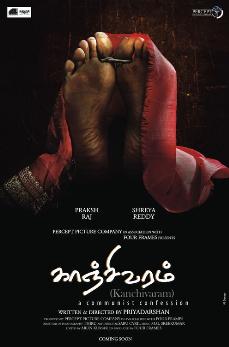
Kanchivaram Full Story Explained (2009)
Imagine weaving the most beautiful silk sarees in India, but never being able to afford one for your own wife. That is the heartbreaking reality of Vengadam, a silk weaver in Kanchipuram. This 2009 Tamil film, directed by Priyadarshan and starring Prakash Raj, won the National Award for Best Film. It is not just a story about silk; it is about poverty, broken promises, and a father's desperate love. The movie follows Vengadam from his wedding to his final, tragic act. It shows how the communist movement tried to help workers, but also how personal dreams can get crushed by a cruel system. You will cry, you will get angry, and you will never look at a silk saree the same way again.
A weaver without silk
Vengadam is a silk weaver in Kanchipuram. He has just gotten married to Annam. He made a promise to himself long ago: he would only marry a woman wearing a silk saree. But he cannot afford one. He has no savings. So he marries Annam in a plain cotton saree. That broken promise haunts him forever.
Full Plot
Vengadam is a silk weaver in Kanchipuram, a town famous for its silk sarees. He marries Annam, but he cannot afford to buy her a silk saree for the wedding. He promised himself he would only marry a woman wearing silk, but he breaks that promise. He saves money to buy one later, but his brother-in-law loses his business and threatens to abandon Vengadam's sister. Vengadam gives away all his savings to save his sister. His dream of buying Annam a saree is destroyed.
Annam falls sick and dies in Vengadam's arms. He shows her his daughter's silk saree before she dies, but it is too late. Vengadam is now a single father to his daughter Thamarai. A communist writer comes to town and teaches the weavers about equality. Vengadam joins the movement. They protest against the zamindar who exploits them. The police kill the writer, and Vengadam becomes the leader of the weavers.
Years pass. Thamarai grows up and falls in love with Rangan, a soldier. Rangan returns from war and wants to marry her before going back to battle. Vengadam promised to give Thamarai a silk saree for her wedding. But the saree is only half-finished. He asks the weavers to work overtime, but they call him a traitor and refuse. Desperate, Vengadam smuggles silk from the temple where they work. He gets caught, beaten, and sent to jail.
While Vengadam is in prison, Thamarai falls into a well and becomes paralysed. Vengadam's wife died earlier in a stampede. There is no one to care for Thamarai. When Vengadam is released, he asks his sister to take Thamarai in. But his brother-in-law refuses, saying a thief's daughter will ruin his dignity. Vengadam has no money and no hope. He poisons his own daughter to end her suffering. He covers her dead body with the half-woven silk saree. He finally keeps his promise, but his daughter is dead. Vengadam goes insane and laughs hysterically at the camera. The film ends with a freeze frame of his face, and text explaining how communism grew in India.
Characters
Vengadam
Vengadam is a poor silk weaver in Kanchipuram. He loves his wife Annam and his daughter Thamarai deeply. He dreams of giving them silk sarees but never has enough money. He joins the communist movement to fight for fair wages. After his wife dies, he becomes a single father. He is sent to jail for smuggling silk. When he returns, he finds his daughter paralysed. With no one to care for her, he poisons her and covers her body with silk. He goes insane from grief.
Annam
Annam is Vengadam's wife. She marries him despite not getting a silk saree. She is kind and supportive. She falls sick and dies in Vengadam's arms after a village fair. Her death leaves Vengadam a widower with a young daughter.
Thamarai
Thamarai is Vengadam and Annam's daughter. She grows up without a mother. She falls in love with Rangan, a soldier. She becomes paralysed after falling into a well. Her father poisons her to end her suffering. She dies covered in the silk saree her father always wanted to give her.
Rangan
Rangan is a soldier and Thamarai's love interest. He returns from war and wants to marry Thamarai quickly. He asks Vengadam for her hand. His return triggers Vengadam's desperate plan to finish the silk saree. He leaves for battle again after the wedding.
The Communist Writer
The writer is a communist who comes to Kanchipuram. He teaches the weavers about equality and fair wages. He organizes street plays to mock the zamindar. The police hunt him down and kill him because communism is illegal. His ideas inspire Vengadam to become a leader.
Vengadam's Brother-in-law
He is married to Vengadam's sister. He loses his business and threatens to abandon his wife. Vengadam gives him all his savings to save his sister. Later, when Vengadam asks him to take care of Thamarai, he refuses. He says a thief's daughter will ruin his dignity.
Themes
Poverty and Exploitation
The weavers of Kanchipuram make beautiful silk sarees but live in terrible poverty. They work all day for the zamindar and earn almost nothing. They cannot even afford the silk they weave. This shows how the rich exploit the poor. Vengadam's entire tragedy is caused by his lack of money.
Broken Promises
Vengadam promises to marry a woman wearing silk, but he cannot afford it. He promises to buy Annam a saree, but she dies before he can. He promises to give Thamarai a silk saree for her wedding, but he finishes it too late. Every promise he makes is broken by poverty and circumstance.
Communism and Workers' Rights
The communist writer teaches the weavers that they deserve fair wages and dignity. Vengadam leads a movement for better pay. But the state crushes the movement because communism is illegal. The film shows how workers' rights were suppressed in post-independence India. The ending text reveals that communism eventually became a major force.
Sacrifice and Desperation
Vengadam sacrifices his savings to save his sister. He sacrifices his freedom by smuggling silk for his daughter. In the end, he sacrifices his daughter's life to end her suffering. His love for his family drives him to extreme acts. But his sacrifices never bring him happiness.
Ending Explained
The ending of Kanchivaram is devastating. Vengadam is released from jail and finds his daughter Thamarai paralysed from a fall into a well. His wife is already dead. He has no money and no one to help. He asks his sister to take Thamarai in, but her husband refuses. He says a thief's daughter will ruin his dignity. Vengadam has no choice. He poisons his own daughter to end her suffering. She dies in his arms. He then opens his house and finds the half-woven silk saree he had been working on. He takes the silk and covers his daughter's dead body with it. He finally keeps his promise to give her a silk saree, but she is dead. The grief breaks his mind. He becomes mentally unstable. He tries to cover her face and legs with the saree, laughing crazily. The film freezes on his laughing face. Then text appears on screen, explaining how communism became a major movement in India. The message is clear: the system failed Vengadam. His personal tragedy is a result of poverty, exploitation, and a society that offers no help. The director leaves the audience with a haunting image of a man who lost everything, even his sanity.
Frequently Asked Questions
No, Kanchivaram is not based on a specific true story. But it is inspired by the real-life struggles of silk weavers in Kanchipuram, Tamil Nadu. The film shows the poverty and exploitation they faced in post-independence India. The communist movement depicted in the film is also based on real historical events.
Vengadam poisoned his daughter Thamarai because she was paralysed and he had no one to care for her. His wife was dead, and his sister's husband refused to take her in. He had no money for a doctor or a nurse. He believed death was better than a life of suffering. It was an act of desperate love.
Kanchivaram won two National Film Awards in 2009: Best Feature Film and Best Actor for Prakash Raj. It also won Filmfare Awards for Best Director (Priyadarshan), Best Actor (Prakash Raj), and Best Supporting Actress (Shammu). Prakash Raj also won the Vijay Award for Best Actor.
The silk saree represents dignity, promise, and love. Vengadam wants to give one to his wife and daughter, but he never can. The saree is a symbol of the weavers' exploitation: they make beautiful silk but cannot afford it. In the end, Vengadam covers his dead daughter with the saree, finally keeping his promise at a terrible cost.
The story is set in Kanchipuram, Tamil Nadu. But the film was mainly shot in Mandya and Mysore in Karnataka. The Melukote Temple in Mandya was a key location. The film was made on a budget of ₹1.5 crore and completed in 35 days.