Newton Full Story Explained (2017)
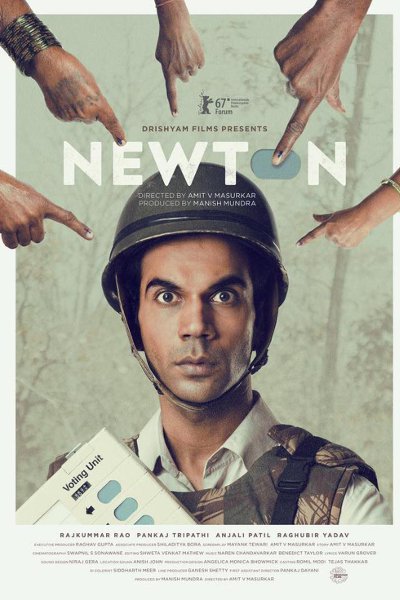
Imagine a man who believes in rules so much that he walks into a jungle full of guns and landmines just to hold a fair election. That man is Newton Kumar, a government clerk who is honest to a fault. This 2017 Hindi film, directed by Amit Masurkar, stars Rajkummar Rao as Newton and Pankaj Tripathi as Aatma Singh. It is a black comedy that shows what happens when one stubborn man tries to do his job in a place where no one cares about democracy. The movie is funny, sad, and makes you think about how hard it is to be good in a broken system. Released in 2017, it won many awards and became a favorite of critics and audiences alike.
A Clerk in a War Zone
Newton Kumar is a government clerk who loves rules. His boss sends him to a remote, dangerous village in Chhattisgarh to conduct elections. The area is controlled by Maoist rebels who hate the government. Everyone tells Newton it is too dangerous. But Newton does not listen. He packs his bags and goes anyway.
Full Plot
Newton Kumar is a government clerk who works for the Election Commission of India. He is a man who follows rules like a religion. His boss sends him to a remote village in Chhattisgarh that is controlled by Maoist rebels. The rebels have declared a boycott of the national elections. Newton's job is to set up a polling booth and get people to vote. Everyone, including his security officer Aatma Singh, tells him it is too dangerous. But Newton does not listen. He believes in the democratic process and thinks he can make a difference.
Newton arrives in the village with Aatma Singh and a small team of soldiers. The village is poor and scared. The rebels have threatened to kill anyone who votes. Newton walks around the village, talking to people. He tries to convince them to vote. But the villagers are terrified. They have seen what the rebels do to those who cooperate with the government. Newton does not understand their fear. He thinks they are just lazy or uneducated.
Aatma Singh is frustrated with Newton. He has seen many elections fail in this region. He knows that the rebels will attack if anyone tries to vote. He tells Newton to leave and save their lives. But Newton refuses. He says the election must happen. Aatma Singh is forced to protect him. The two men have many arguments. Aatma Singh is a realist who drinks and smokes. Newton is an idealist who does neither. Their clash is the heart of the film.
One day, Newton decides to go deep into the forest to find voters. Aatma Singh and the soldiers follow. They walk through dangerous territory. They are captured by the Maoist rebels. The rebel leader, Malko Netam, talks to Newton. She asks him why he believes in elections. She says the government has done nothing for the poor. Newton has no answer. He just says he believes in the process. Malko lets them go, but she warns them not to hold the election.
On election day, Newton sets up the polling booth. He waits. No one comes. The villagers are too scared. Newton sits alone for hours. He feels hopeless. He realizes that his rules mean nothing in a world of violence. Just when he is about to give up, an old man named Loknath comes to vote. Loknath is the only voter. Newton conducts the entire election for him. He stamps the ballot, puts it in the box, and declares the election a success.
Newton leaves the village. He goes back to his office. He files his report. The election is over. But nothing has changed. The rebels are still there. The villagers are still scared. Aatma Singh goes back to his routine. Newton is the only one who still believes in the system. The film ends with him walking away, still carrying his briefcase, still stubborn. It is a sad but hopeful ending. It shows that one person's integrity can matter, even if the world does not change.
Act Breakdown
The Assignment
Newton Kumar is a government clerk in a big city. His boss sends him to a remote village in Chhattisgarh to conduct elections. Newton is excited. He sees it as a chance to do his duty. He meets Aatma Singh, the security officer. Aatma Singh thinks Newton is foolish. But Newton insists on going.
The Forest Walk
Newton and Aatma Singh arrive in the village. Newton tries to convince people to vote. No one listens. Newton decides to go into the forest to find voters. Aatma Singh follows reluctantly. They are captured by the Maoist rebels. The rebel leader Malko questions Newton. This is the turning point where Newton starts to doubt himself.
The Lonely Election
Newton is released by the rebels. He sets up the polling booth on election day. He waits. No one comes. He feels hopeless. He realizes that his rules mean nothing. Just when he is about to give up, Loknath arrives. Loknath is the only voter. Newton conducts the election for him.
The Final Report
Newton leaves the village. He goes back to his office. He files his report. The election is over. Nothing has changed in the village. But Newton is satisfied. He did his job. He got one vote. The film ends with him walking away, still carrying his briefcase, still believing in the system.
Characters
Newton Kumar
Played by Rajkummar Rao
Newton is a government clerk who is obsessed with rules and procedures. He is honest, stubborn, and socially awkward. He believes that following the constitution can solve any problem. He goes to a dangerous village to conduct elections. In the end, he gets only one voter, but he still considers it a success. He represents the ideal of democracy, even when it seems foolish.
Aatma Singh
Played by Pankaj Tripathi
Aatma Singh is the Assistant Commandant in charge of security. He is a tired, cynical man who drinks and smokes. He has seen too many elections fail. He thinks Newton is naive and dangerous. But he also respects Newton's courage. He protects Newton throughout the mission. In the end, he is unchanged, but he has a grudging admiration for Newton.
Malko Netam
Played by Anjali Patil
Malko is the leader of the Maoist rebels. She is intelligent, angry, and committed to her cause. She believes that elections are a fraud that only helps the rich. She captures Newton and questions him about his beliefs. She does not harm him, but she makes him doubt himself. She represents the voice of the oppressed who have given up on the system.
Loknath
Played by Raghubir Yadav
Loknath is an old villager who decides to vote. He is the only person who shows up at the polling booth. He is brave in his own quiet way. He does not give a speech or make a statement. He just wants to vote. His simple act gives Newton a small victory. He represents the ordinary citizen who still believes in democracy.
Scene Highlights
Newton vs Aatma Singh Argument
Newton and Aatma Singh argue in a tent. Aatma Singh says the election is pointless. He says the rebels will attack. Newton says the constitution says the election must happen. Aatma Singh laughs at him. Newton does not back down. The scene shows the clash between idealism and realism. It is funny and tense at the same time.
The Rebel Capture
Newton and Aatma Singh are captured by Maoist rebels. They are taken to a camp in the forest. The rebel leader Malko talks to Newton. She asks him why he believes in elections. Newton has no good answer. He just says he believes in the process. Malko tells him that the government has done nothing for the poor. Newton is shaken.
The Lone Voter
On election day, the polling booth is empty. Newton sits alone for hours. He looks sad and defeated. Then Loknath walks in. Newton's face lights up. He conducts the entire election for Loknath. He stamps the ballot, puts it in the box, and seals it. It is a small moment, but it is the emotional heart of the film.
Newton's Final Walk
Newton leaves the village. He walks through the forest with his briefcase. He looks tired but satisfied. Aatma Singh watches him go. The camera follows Newton as he walks away. The scene is quiet and simple. It shows that Newton has not changed. He is still the same stubborn man. But he has done his duty.
Cast & Context
Rajkummar Rao and Pankaj Tripathi are two of the finest actors in Indian cinema. They had worked together before in films like 'Masaan' (2015) and 'Bareilly Ki Barfi' (2017). Their chemistry in 'Newton' is electric. Rao brings a nerdy intensity to Newton. Tripathi brings a weary humor to Aatma Singh. Their scenes together are the best part of the film. Anjali Patil, known for her work in 'Mukkabaaz', plays the rebel leader with quiet power. Raghubir Yadav, a veteran actor, adds warmth as the old voter. The casting is perfect because every actor fits their role naturally.
Themes
Idealism vs Reality
Newton believes that rules and procedures can fix everything. But the real world is messy and violent. Aatma Singh represents reality. He knows that elections mean nothing when people are scared. The film shows that idealism is noble but often useless. Newton does not change the world, but he does not give up either.
The Cost of Democracy
The film asks a hard question: is democracy worth dying for? The villagers are too scared to vote because the rebels will kill them. Newton risks his life for a single vote. The film does not give an easy answer. It shows that democracy is expensive and painful. But it also shows that one person's vote can still matter.
Bureaucracy and Absurdity
Newton is a product of the bureaucracy. He follows rules even when they make no sense. The film is a black comedy because the situation is absurd. A man sets up a polling booth in a war zone for no voters. The film laughs at the system but also respects the people who work in it.
The Rebel's Perspective
Malko Netam is not a villain. She has a valid reason for hating the government. She says the government has done nothing for the poor. The film shows both sides. It does not say the rebels are wrong. It just shows that violence and democracy cannot coexist. The film is balanced and fair to all characters.
Music & Soundtrack
The film does not have a traditional music score. It uses ambient sounds and silence to create tension. The lack of songs makes the film feel more real and grounded. The background music, composed by the sound team, is subtle and effective.
Similar Films
Both films are set in small-town India and deal with social issues. Rajkummar Rao stars in both. Both have a dark, realistic tone.
Both films are about a government officer trying to do the right thing in a corrupt system. Both have a strong social message.
Both films critique the Indian legal and bureaucratic system. Both are slow, thoughtful, and realistic. Both won awards at international festivals.
Both films are quiet, character-driven stories about ordinary people. Both have a gentle sense of humor. Both were praised by critics worldwide.
Ending Explained
The ending of Newton is quiet but powerful. After a long day of waiting, no one comes to vote. Newton is about to close the booth. Then an old man named Loknath walks in. He is the only voter. Newton is overjoyed. He conducts the entire election process for this one man. He stamps the ballot, puts it in the box, and seals it. He declares the election successful. Then he leaves the village. He goes back to his office and files his report. Nothing changes in the village. The rebels are still there. The villagers are still scared. Aatma Singh goes back to his routine. But Newton is not sad. He did his job. He followed the rules. He got one vote. For him, that is enough. The film ends with him walking away, still carrying his briefcase. The message is clear: democracy is not about big numbers. It is about one person's right to choose. Even if only one person votes, the system works. The ending is hopeful because it shows that integrity can survive in a broken world. But it is also sad because it shows how little one honest man can achieve.
Newton is a must-watch for anyone who loves smart, thoughtful cinema. It is not a fast-paced action film. It is a slow, quiet movie about ideas. If you enjoy films that make you think, you will love it. Rajkummar Rao gives one of his best performances. Pankaj Tripathi is hilarious and heartbreaking. The film has some slow moments, and the ending may feel unsatisfying to some. But that is the point. It is a realistic film about a broken system. I highly recommend it for fans of Indian indie cinema and political dramas.
Frequently Asked Questions
No, Newton is not based on a true story. But it is inspired by real events. Elections in conflict zones like Chhattisgarh often face similar problems. The film uses fiction to show the real challenges of holding elections in dangerous areas.
The title Newton refers to the main character's name, Nutan Kumar, who is called Newton. It is a nickname. It also refers to Sir Isaac Newton, the scientist who discovered gravity. The film suggests that Newton Kumar is like a force of nature — stubborn and unstoppable.
Newton got only one voter because the villagers were too scared. The Maoist rebels had threatened to kill anyone who voted. The villagers chose safety over democracy. Only Loknath, an old man, was brave enough to vote.
Newton won several awards. It won the Best Film award at the 2017 Asia Pacific Screen Awards. It was also India's official entry for the Best Foreign Language Film at the 90th Academy Awards. Rajkummar Rao won the National Film Award for Best Actor for his performance.
Newton is a black comedy-drama. It has many funny moments, especially in the arguments between Newton and Aatma Singh. But it also deals with serious topics like violence, poverty, and the failure of democracy. The film balances humor and sadness perfectly.