Alif Full Story Explained (2017)
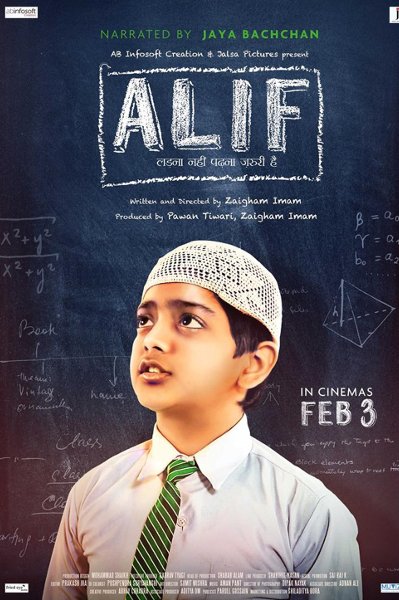
Imagine being a kid who only knows one world—a quiet madrasa where you learn the Quran. Then, suddenly, you're thrown into a loud, bright convent school where everything is different. That's the story of Alif, a heartwarming Hindi film from 2017. Directed by Zaigham Imam, it stars Pawan Tiwari as the father and Neelima Azim as the mother. This movie is about a father's dream to make his son a doctor, and the painful fight between old traditions and new ambitions. It's a simple story, but it will make you feel everything—hope, fear, love, and loss. Jaya Bachchan narrates the tale, giving it a warm, wise voice. If you've ever felt torn between two worlds, this film is for you.
A Madrasa Kid in a Convent School
Alif is a young boy who has only studied in a madrasa. He knows Arabic verses and Islamic prayers. But his father, a poor man with big dreams, wants more for him. So Alif is sent to a fancy convent school. The moment he steps in, he feels like an alien. The other kids wear ties and speak English. Alif wears a simple kurta and stumbles over words.
Full Plot
Alif is a young boy living in a small Muslim community in India. He studies at a local madrasa, where he learns Arabic and the Quran. His teacher is strict and believes in traditional education. But Alif's father, a poor laborer, dreams of a different future for his son. He wants Alif to become a doctor. So he enrolls Alif in an English-medium convent school, hoping it will give him better opportunities.
The transition is brutal. Alif struggles with the language, the culture, and the teasing from other students. A rich boy named Rohan mocks him for his accent and his clothes. Alif feels lonely and humiliated. At home, his father pushes him to study harder, not understanding the emotional pain. His mother tries to comfort him, but she is also worried about the community's gossip. The madrasa teacher publicly condemns the father's decision, calling it a betrayal of faith.
Alif starts skipping school. He hides in a park and watches other children play. His grades drop, and his father becomes angry. One day, a new teacher named Miss Sharma arrives. She is young, patient, and kind. She notices Alif's sadness and takes him under her wing. She helps him with English after class. She tells him about great Muslim scientists like Ibn Sina. She makes him feel proud of his heritage, not ashamed. Slowly, Alif begins to enjoy school again.
But just as things improve, tragedy strikes. Alif's father collapses from overwork. He is hospitalized with a serious illness. The family has no money for treatment. Alif blames himself—he thinks his father got sick because of the school fees. He decides to drop out and return to the madrasa. He tells his father his decision. The father, weak and tearful, refuses. He says his dream is for Alif's future, not his own pride.
The madrasa teacher, moved by the family's struggle, visits the hospital. He tells the father that he was wrong to oppose the convent school. He says education is not a sin. He offers to help pay for Alif's tuition. The community also raises money. Alif's father slowly recovers. Alif returns to school with renewed determination.
In the final scene, Alif wins a science prize at school. His father, still weak, watches from the audience. The madrasa teacher sits in the back, smiling. Miss Sharma claps proudly. Alif stands on stage, holding his trophy. He has not forgotten his roots—he still prays and reads the Quran. But he has also learned English and science. He has become a bridge between two worlds.
Act Breakdown
The Dream Begins
We meet Alif, a young boy studying in a madrasa. His father decides to enroll him in a convent school. The madrasa teacher opposes this decision. Alif is excited but scared. He enters the new school and immediately feels out of place.
Struggle and Loneliness
Alif faces bullying and struggles with English. He starts skipping school. His father pushes him harder. The madrasa teacher increases pressure on the family. Alif's grades drop. He feels trapped between two worlds. The tension reaches a peak.
A Teacher's Kindness
Miss Sharma arrives and helps Alif. She teaches him English and boosts his confidence. Alif starts to enjoy school again. But then his father collapses from overwork. Alif blames himself and decides to quit school. The family is in crisis.
Healing and Triumph
The madrasa teacher has a change of heart. He visits the hospital and offers help. The community raises money. Alif returns to school. He works hard and wins a science prize. His father watches from the audience, proud and emotional. The film ends on a hopeful note.
Characters
Alif
Played by Pawan Tiwari
Alif is the young hero of the story. He is a shy, gentle boy who loves his father deeply. He struggles to fit into a convent school after studying in a madrasa. He faces bullying, loneliness, and guilt. But with help from a kind teacher, he finds his confidence. By the end, he wins a science prize and makes his father proud.
Alif's Father
Played by Neelima Azim
Alif's father is a poor laborer with a big dream. He wants his son to become a doctor and escape poverty. He fights against the madrasa teacher and the community to keep Alif in the convent school. He works himself to exhaustion and falls ill. In the end, he sees his son succeed and feels his sacrifice was worth it.
Alif's Mother
Played by Bhavna Pani
Alif's mother is a loving, worried woman. She supports her husband's dream but fears the community's judgment. She comforts Alif when he is sad. She prays for her husband's health. She is the emotional heart of the family.
Madrasa Teacher
Played by Danish Husain
The madrasa teacher is a strict, traditional man. He believes the convent school will corrupt Alif's faith. He openly opposes the father's decision. But when the father falls ill, he has a change of heart. He visits the hospital, apologizes, and offers to help. He represents the possibility of change.
Miss Sharma
Played by Neelima Azim
Miss Sharma is a young, kind teacher at the convent school. She notices Alif's struggle and helps him with English. She teaches him about Muslim scientists to boost his pride. She is the bridge that helps Alif succeed. Her compassion changes Alif's life.
Scene Highlights
Alif's First Day at Convent School
Alif walks into the convent school wearing a simple kurta. The other boys wear ties and blazers. They stare at him. A teacher asks him to say his name. He stumbles over the English pronunciation. The class laughs. Alif's face turns red. He looks down at his feet. This scene perfectly captures his alienation.
Miss Sharma's First Lesson
Miss Sharma enters the classroom and notices Alif sitting alone. She asks him a question in Hindi, not English. Alif answers shyly. She smiles and says, 'Good.' Then she tells the class about Ibn Sina, a famous Muslim scientist. Alif's eyes light up. For the first time, he feels proud of his heritage in this school.
Father's Collapse
Alif's father comes home late, exhausted. He sits down and suddenly clutches his chest. His face goes pale. He falls to the floor. Alif's mother screams. Alif runs to his father, crying. The scene is sudden and shocking. It shows the physical cost of the father's sacrifice.
The Madrasa Teacher's Apology
The madrasa teacher visits the hospital. He stands at the door, looking ashamed. He walks to Alif's father's bed. He says, 'I was wrong. Education is not a sin.' He offers to help with fees. The father cries and holds his hand. This scene is powerful because it shows that even rigid people can change.
Alif Wins the Science Prize
The school auditorium is full. Alif's name is called. He walks to the stage, nervous. He receives a trophy. He looks into the audience and sees his father, weak but smiling. He sees the madrasa teacher clapping. He sees Miss Sharma wiping a tear. Alif smiles. The camera holds on his face. It is a perfect, emotional ending.
Cast & Context
This film marks a unique collaboration. Pawan Tiwari, who plays Alif, is also a producer of the film. He brings a raw, natural innocence to the role. Neelima Azim plays both Alif's mother and Miss Sharma—a dual role that shows her range. Danish Husain, known for his theater work, brings depth to the madrasa teacher. The casting of Jaya Bachchan as narrator adds prestige and warmth. The director Zaigham Imam chose a mix of experienced and fresh faces to create an authentic, grounded feel.
Themes
Education vs Tradition
The film shows a conflict between modern education and traditional religious schooling. Alif's father believes English and science are the keys to success. The madrasa teacher sees them as a threat to faith. Alif is caught in the middle. The film suggests that both can coexist—Alif learns science but keeps his faith.
Father-Son Love
The bond between Alif and his father is the emotional core. The father sacrifices his health for his son's future. Alif carries the burden of that dream. When the father falls ill, Alif is ready to give up his own future for his father. Their love is painful but beautiful.
Prejudice and Acceptance
Alif faces prejudice at the convent school for being a 'madrasa boy'. The community also judges his father for sending him there. The film shows how ignorance creates fear. But through Miss Sharma's kindness and the madrasa teacher's change of heart, it shows that acceptance is possible.
Sacrifice and Hope
Every character sacrifices something. The father sacrifices his health. Alif sacrifices his comfort. The mother sacrifices her peace. The madrasa teacher sacrifices his pride. These sacrifices are not in vain. They lead to a hopeful ending where Alif succeeds.
Music & Soundtrack
The film's music is subtle and emotional. The songs are used sparingly, mostly to underscore key emotional moments. The background score swells during the father's collapse and the final prize ceremony. The music never overwhelms the story—it supports it gently.
Similar Films
Both films focus on a child struggling in a school system that doesn't understand him, and a kind teacher who changes his life.
Both are Hindi films about a poor child facing bullying and loneliness in school, with a heartwarming tone.
Both stories deal with cultural clash between tradition and modernity, and finding a balance between two worlds.
Both films explore the lives of Muslim families in small-town India, dealing with societal pressure and personal dreams.
Ending Explained
The film ends on a hopeful, emotional note. Alif's father has recovered from his illness, but he is still weak. He attends the school's annual prize ceremony. Alif is called to the stage to receive a science prize. His father watches with tears in his eyes. The madrasa teacher is also present, sitting in the back row. He smiles, showing that he has accepted Alif's path. Miss Sharma claps proudly. Alif stands on stage, holding his trophy. He looks at his father and smiles. The message is clear: education and faith can coexist. Alif has not forgotten his roots—he still prays and reads the Quran. But he has also learned English and science. He has become a bridge between two worlds. The ending shows that love, sacrifice, and open-mindedness can overcome any obstacle. It is a simple but powerful conclusion that leaves the audience feeling hopeful.
Alif is a must-watch for anyone who loves simple, emotional stories. It is not a big-budget film with flashy scenes. It is quiet and honest. The performances are natural, especially Pawan Tiwari as Alif. The film's weakness is its slow pace—some scenes feel stretched. But the emotional payoff is worth it. If you liked Taare Zameen Par or Stanley Ka Dabba, you will love this. It will make you cry, but it will also make you believe in the power of love and education. Highly recommended for family viewing.
Frequently Asked Questions
No, Alif is a fictional story. But it is inspired by real-life struggles of many Muslim families in India who face a choice between traditional madrasa education and modern schooling. The director Zaigham Imam wanted to show this conflict through a simple, emotional story.
The legendary actress Jaya Bachchan narrates the film. Her warm, wise voice adds a layer of emotion to the story. She speaks as if she is telling a bedtime tale, which makes the film feel even more intimate and heartfelt.
The main message is that education and faith do not have to be enemies. Alif learns science and English without losing his Islamic values. The film also shows the power of a father's love and the importance of community support. It is a story about hope, sacrifice, and understanding.
The film was shot in various locations in India, including small towns and cities that reflect the contrast between traditional madrasa settings and modern convent schools. The exact filming locations are not widely publicized, but the film captures the feel of a typical North Indian Muslim neighborhood.
Alif has many sad moments, especially when Alif is bullied and when his father falls ill. But it is not a purely sad film. It is heartwarming and hopeful. The ending is uplifting. It will make you cry, but also leave you with a smile.