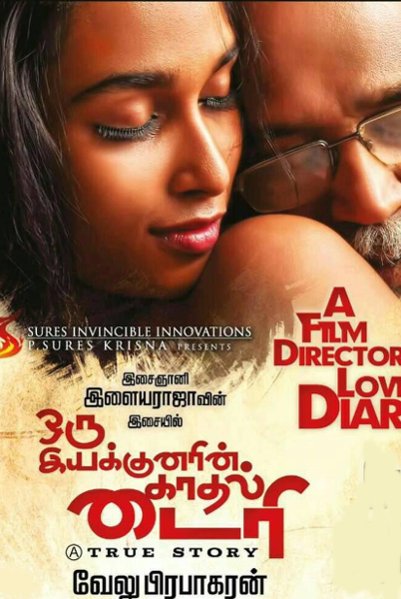
Oru Iyakkunarin Kadhal Dairy Full Story Explained (2017)
Imagine a filmmaker who puts his own painful love story on screen. That is exactly what Velu Prabhakaran does in Oru Iyakkunarin Kadhal Diary. This 2017 Tamil film is deeply personal. It is about a director named Velu who falls in love with a young actress named Swathi. But their love faces a huge wall — the 40-year age gap between them. The movie shows their romance, their struggles, and the cruel judgment of society. Velu Prabhakaran directs and also plays himself. Pon Swathi plays Swathi, the woman he loves. Released on June 2, 2017, this film is not just a story. It is a real confession. It makes you think about love, age, and who gets to decide what is right.
A Director's Real Confession
Velu is a film director. He has made many movies. But now he wants to tell his own story. He picks up a camera and starts filming his diary. This is not fiction. This is his real life. He wants the world to know what he went through.
Full Plot
Oru Iyakkunarin Kadhal Diary is a semi-autobiographical film directed by Velu Prabhakaran. He plays himself in the movie. The story begins with Velu, a veteran filmmaker in his 60s. He feels lonely and disconnected from the modern film world. One day, he meets a young aspiring actress named Swathi, played by Pon Swathi. She is full of dreams and energy. Velu is immediately drawn to her. He offers her a role in his film. As they work together, Velu starts to fall in love with Swathi. He feels a spark he thought was dead. He begins to believe that love has no age limit.
Velu expresses his feelings to Swathi. He writes her letters and spends time with her. Swathi is kind and attentive. She enjoys his company. Velu misinterprets her kindness as romantic interest. He starts planning a future with her. He wants to marry her despite the 40-year age difference. But society is cruel. People in the film industry mock him. They call him a desperate old man. Swathi's family is also against the relationship. The pressure builds from all sides.
Despite the obstacles, Velu remains hopeful. He believes love will conquer everything. He proposes to Swathi. But Swathi is confused. She is young and unsure about her feelings. She sees Velu as a mentor, not a lover. She cares for him deeply, but not in a romantic way. This realization hits Velu like a thunderbolt. His world collapses. He realizes that his love was not returned. He feels humiliated and heartbroken.
Velu goes through a dark phase. He cannot accept the truth. He questions his own judgment. He feels old and unwanted. The film industry's laughter echoes in his ears. But then, he finds a way to heal. He decides to make a film about his experience. He uses his own diary as the script. He films his real emotions, his tears, and his pain. The movie becomes his confession and his closure.
The film ends with Velu accepting reality. He understands that love is not always mutual. He learns to let go of Swathi. He finds peace in his art. The diary is now a film for the world to see. Velu realizes that some love stories are meant to be told, not lived. He moves on with his life, carrying the lesson that love, even when unreturned, is still valuable.
Act Breakdown
The Lonely Director
We meet Velu, an aging film director. He feels lonely and out of place. He meets Swathi, a young aspiring actress. He is drawn to her energy and beauty. They start working together on a film. Velu begins to feel love for her.
Love Blossoms
Velu and Swathi grow closer. He writes her letters. He spends time with her. He believes she loves him too. Society starts to gossip about their age gap. But Velu ignores the criticism. He decides to propose to Swathi.
The Painful Truth
Velu proposes to Swathi. She is confused and unsure. She reveals she does not love him romantically. She sees him only as a mentor. Velu is heartbroken. He goes through a dark phase of depression and self-doubt.
Healing Through Art
Velu decides to make a film about his pain. He uses his diary as the script. He films his real emotions. The movie becomes his therapy. He accepts that Swathi never loved him back. He finds peace and closure through his art.
Characters
Velu
Played by Velu Prabhakaran
Velu is a veteran film director in his 60s. He feels lonely and disconnected from the world. He falls deeply in love with a young actress named Swathi. He believes their love can overcome the age gap. But his love is not returned. He uses his pain to make this film. In the end, he accepts reality and finds closure through his art.
Swathi
Played by Pon Swathi
Swathi is a young aspiring actress. She is kind, energetic, and full of dreams. She meets Velu and becomes close to him. She sees him as a mentor and a father figure. She cares for him but does not love him romantically. Her confusion and honesty lead to Velu's heartbreak. She represents the innocent but painful truth of one-sided love.
Scene Highlights
Velu's First Meeting with Swathi
Velu is on a film set. He looks tired and lonely. Then Swathi walks in for an audition. She is young, bright, and full of life. Velu's eyes light up. He cannot stop looking at her. This scene sets the entire story in motion. It shows the exact moment love begins.
The Letter Writing
Velu sits alone at night. He writes a letter to Swathi. His hands tremble with emotion. He pours his heart onto the paper. The camera shows his face full of hope and fear. This scene captures the vulnerability of an older man in love. It is tender and heartbreaking.
The Rejection
Velu finally confesses his love to Swathi. He asks her to marry him. Swathi looks down. She is silent for a long moment. Then she softly says she cannot. She sees him as a father figure. Velu's face crumbles. The silence in the room is deafening. This is the most painful scene in the film.
Velu Alone in His Room
After the rejection, Velu locks himself in his room. He stares at the wall. He does not eat or sleep. Tears roll down his face. He looks at old photos of Swathi. He feels completely broken. This scene shows the depth of his despair. It is raw and unflinching.
The Final Diary Entry
Velu sits with his diary one last time. He writes his final entry. He says goodbye to his love for Swathi. He decides to make the diary into a film. He looks at the camera with a sad smile. He has found peace. This scene closes the story with acceptance and grace.
Cast & Context
Velu Prabhakaran is a veteran filmmaker known for controversial and autobiographical films. He takes a bold step by playing himself in this movie. Pon Swathi is a newcomer. Her fresh face adds authenticity to the role of a young woman caught in an awkward situation. This is their first collaboration. The casting is not about star power. It is about truth. Velu uses real people to tell a real story. This makes the film feel like a documentary of his own life.
Themes
One-Sided Love
The film is built on this painful theme. Velu loves Swathi deeply, but she does not feel the same way. He misreads her kindness as romance. This leads to his heartbreak. The movie shows how love can be real even when it is not returned. It teaches that loving someone does not mean they will love you back.
Age and Society
The 40-year age gap between Velu and Swathi is a central conflict. Society judges them harshly. People call Velu a fool. They say he is too old for love. The film questions who gets to decide what love is. It shows that age is just a number, but society's judgment can be cruel and powerful.
Art as Therapy
Velu uses filmmaking to heal his broken heart. He turns his personal diary into a movie. The film becomes his way of processing pain. It shows how art can help people express their deepest emotions. Velu finds peace not in love, but in creating something honest and true.
Acceptance and Letting Go
The climax of the film is about acceptance. Velu finally understands that Swathi does not love him. He lets go of his dream. He does not force her or blame her. He accepts the truth with grace. This theme teaches that sometimes the bravest thing is to let go and move on.
Music & Soundtrack
The music in the film is minimal and emotional. It does not have hit songs. The background score supports the mood of loneliness and heartbreak. It stays subtle so the story and emotions remain the focus.
Similar Films
Also directed by Velu Prabhakaran, this film is also autobiographical and deals with controversial themes of love and society.
Both films explore the theme of love that faces obstacles from society and time, though The Notebook has a different age dynamic.
This Malayalam film also shows a man's love story across different stages of his life, including a one-sided love with a younger woman.
Ending Explained
The ending of Oru Iyakkunarin Kadhal Diary is quiet and emotional. Velu finally accepts that Swathi does not love him back. He stops chasing the dream. He realizes that her kindness was not romance. It was just friendship and respect. Velu does not get angry at Swathi. He does not blame her. Instead, he thanks her for the experience. He understands that love, even when unreturned, is still beautiful. The film ends with Velu completing his movie. He closes his diary. He finds peace in his art. The final message is clear: some love stories are not meant to be lived. They are meant to be told. Velu moves on with his life, carrying the lesson that true love sometimes means letting go. The audience is left with a feeling of bittersweet acceptance. It is a sad ending, but also a hopeful one. Velu learns that healing comes from within, not from another person.
Oru Iyakkunarin Kadhal Diary is not a film for everyone. It is slow, raw, and deeply personal. If you enjoy honest, emotional storytelling without commercial gloss, you will appreciate it. Velu Prabhakaran bares his soul on screen. The acting is natural. The pain feels real. But the pace is very slow. Some scenes feel repetitive. The film lacks professional polish. It is more of a confession than a movie. Watch it if you want to see a man's heart laid bare. Skip it if you want entertainment or a fast plot.
Frequently Asked Questions
Yes, the film is semi-autobiographical. Director Velu Prabhakaran plays himself. The story is based on his real-life love for a young actress named Pon Swathi. He used his own diary to write the script. The emotions and events in the film are drawn from his actual experience.
The female lead is played by Pon Swathi. She plays a character named Swathi in the film. She is a newcomer to the film industry. Her role is based on the real person Velu Prabhakaran fell in love with. She brings a natural and innocent quality to the character.
The age gap is about 40 years. Velu is in his 60s, while Swathi is around 20 years old. This large difference is the main conflict in the story. It causes society to judge them and leads to the eventual heartbreak.
The title translates to 'A Filmmaker's Love Diary' in English. It directly refers to the film's concept. Velu Prabhakaran uses his personal diary as the source material. The film is literally his love diary put on screen for everyone to see.
It depends on what you are looking for. If you enjoy raw, emotional, and personal stories, you will find it interesting. The film is not a typical commercial movie. It is slow and introspective. It is best for viewers who appreciate honest storytelling over entertainment. The acting is natural, but the pace may feel slow to some.