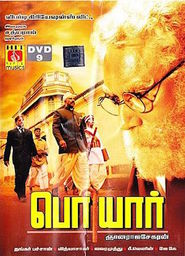
Periyar Full Story Explained (2007)
Periyar is a 2007 Tamil biographical film that tells the true story of E. V. Ramasamy, a fearless social reformer who fought against caste discrimination and religious superstition. Directed by Gnana Rajasekaran, the movie stars Sathyaraj in the lead role, with Jyothirmayi and Khushbu Sundar playing the women who stood by him. The film follows Periyar from his childhood to his final days, showing how one man's anger at injustice sparked a movement that changed millions of lives. It won the National Film Award for Best Tamil Feature Film, and it remains a powerful tribute to a man who refused to bow down.
Hungry in Kashi
Young Periyar travels to the holy city of Kashi. He is hungry and looks for food. But the choultries only feed Brahmins. Lower caste people are turned away. Periyar is disgusted by this cruelty. He decides to fight the caste system forever.
Full Plot
The film begins with Periyar's childhood in Erode. He is the son of Venkatappa Nayakkar and Chinnathayamma. As a young man, he marries Nagammai. They go on a pilgrimage to Kashi. In Kashi, Periyar sees choultries that feed only Brahmins. He is hungry and tries to enter one by disguising himself as a Brahmin. He is caught and humiliated. This experience fills him with rage against the caste system. He returns home and joins his father's business. He becomes the Chairman of the Erode Municipality. But he soon resigns to join the Indian freedom struggle. He becomes the President of the Madras Presidency Congress Committee. He participates in the Vaikom Satyagraha, fighting for the right of lower caste people to use temple roads. He is arrested and jailed. But the Congress party refuses to introduce reservations for non-Brahmins. Periyar quits the Congress in disgust. He joins the Justice Party. He transforms it into the Dravidar Kazhagam. He launches the Self-Respect Movement, promoting atheism, rationalism, and social equality. He encourages inter-caste marriages and attacks religious superstition. He also fights for women's rights. His first wife Nagammai dies. Later, he marries Maniammai, a younger woman. This decision causes a split with his close follower C. N. Annadurai. Annadurai leaves the Dravidar Kazhagam and forms the DMK. Periyar is hurt but continues his work. He leads the Anti-Hindi agitation in Tamil Nadu. He campaigns against the imposition of Hindi as the national language. He also supports the reservation policies for backward classes. The film shows his interactions with other leaders like B. R. Ambedkar and C. Rajagopalachari. It also shows his friendship with S. Ramanathan. The film covers his entire life, from his childhood to his death at the age of 95. The final scene shows his funeral, attended by thousands of mourners. The narrator says that Periyar's spirit will live forever.
Characters
Periyar E. V. Ramasamy
He is the central figure of the film. He is a rationalist and social reformer who fights against caste discrimination and religious superstition. He starts as a Congress leader but quits to form his own movement. He marries Nagammai and later Maniammai. He dies at an old age, leaving behind a powerful legacy.
Nagammai
She is Periyar's first wife. She supports him in all his struggles. She stands by him during the Vaikom Satyagraha and his political battles. She dies before Periyar marries Maniammai. She is a symbol of quiet strength and loyalty.
Maniammai
She is Periyar's second wife. She is much younger than him. Her marriage to Periyar causes a split in the Dravidar Kazhagam. She continues Periyar's work after his death. She is a devoted companion and supporter.
C. N. Annadurai
He is Periyar's most trusted follower. He helps build the Dravidar Kazhagam. But he disagrees with Periyar's marriage to Maniammai. He leaves the party and forms the DMK. He later becomes the Chief Minister of Tamil Nadu.
S. Ramanathan
He is Periyar's close friend and ally. He supports Periyar in his political and social work. He is a loyal companion throughout the film. He stands by Periyar during the split with Annadurai.
B. R. Ambedkar
He appears in the film as a fellow reformer. He fights for the rights of Dalits in India. He meets Periyar and shares his vision of a caste-free society. He is shown as an ally in the struggle for social justice.
Themes
Caste Discrimination
The film shows how the caste system oppresses millions of people. Periyar experiences this firsthand in Kashi when he is denied food. He spends his entire life fighting against this injustice. The film makes it clear that caste is a tool of oppression, not a divine order.
Rationalism vs Superstition
Periyar believes in reason and science. He attacks religious superstition and blind faith. He encourages people to question everything. The film shows him burning idols and criticizing religious practices. It promotes a rational, scientific worldview.
Women's Rights
Periyar fights for the equality of women. He supports inter-caste marriages and widow remarriage. He opposes child marriage and the devadasi system. The film shows his efforts to give women dignity and freedom. It highlights his progressive views on gender.
Political Independence
The film shows Periyar's role in the freedom struggle. He works with the Congress but later leaves it. He believes political freedom must come with social freedom. The film argues that true independence means equality for all, not just replacing British rulers with Indian ones.
Self-Respect Movement
Periyar launches the Self-Respect Movement to give dignity to oppressed people. He encourages them to reject caste titles and rituals. He promotes atheism and rationalism. The film shows how this movement empowered millions of Tamils to stand up for their rights.
Ending Explained
The film ends with Periyar's death. He is 95 years old. His funeral is attended by thousands of people from all walks of life. They come to pay their last respects to the man who changed their lives. The camera shows the massive crowd, the tears, and the silence. The narrator says that Periyar's spirit will live forever. The message is clear: even though he is gone, his ideas will continue to inspire generations. The ending is emotional but not sad. It is a celebration of a life well lived. The director wants the audience to remember Periyar's courage and his fight for equality. The final shot is of his portrait, symbolizing that his legacy is eternal.
Frequently Asked Questions
Yes, the film is a biographical drama based on the real life of Periyar E. V. Ramasamy. It covers his childhood, his political career, and his social reform work. The events shown in the film are historically accurate.
The role of Periyar is played by veteran Tamil actor Sathyaraj. He received widespread praise for his powerful performance. The film also stars Jyothirmayi as Nagammai and Khushbu Sundar as Maniammai.
Yes, the film won the National Film Award for Best Tamil Feature Film in 2007. It was also praised by critics for its honest storytelling and strong performances. The Tamil Nadu government partly funded the film.
Annadurai disagreed with Periyar's decision to marry Maniammai, who was much younger. He felt it hurt the party's image. This led to a split, and Annadurai formed the DMK. The film shows this as a painful moment for Periyar.
The main message is that one person can fight against injustice and change society. The film promotes rationalism, equality, and self-respect. It encourages viewers to question superstition and caste discrimination.