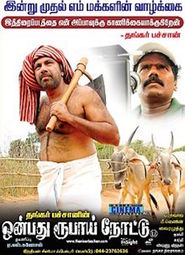
Onbadhu Roobai Nottu Full Story Explained (2007)
Imagine a seventy-year-old farmer who once had everything — land, respect, a loving family — and lost it all. That is Madhava Padayachi. This 2007 Tamil drama, directed by Thangar Bachan, follows his tragic fall from a wealthy villager to a homeless wanderer. Sathyaraj plays Madhava with heartbreaking honesty. Archana plays his loyal wife Velayi. The film released on 30 November 2007 and critics called it one of the best Tamil movies that year. It won Sathyaraj a Vijay Award for Best Actor. This is not a feel-good story. It is a raw, emotional look at how greed and hatred can destroy a family.
An old man on a bus
A seventy-year-old man named Madhava Padayachi sits in a Chennai bus stand. He meets a young man called Murugan, who is going to his village for his father's death anniversary. Madhava has not seen his village in twelve years. He looks tired and broken. Murugan feels sorry for him and offers to take him along. Madhava agrees and starts telling his story.
Full Plot
The film opens with a seventy-year-old man named Madhava Padayachi sitting at a bus stand in Chennai. He meets a young man named Murugan, who is traveling to his native village for his father's death anniversary. Madhava has been away from his village for twelve years. He looks lost and broken. Murugan feels pity for him and offers to take him along on the bus. Madhava agrees and begins to narrate his tragic life story.
Madhava was once a wealthy and respected farmer in his village. Everyone called him Madhavar. He lived with his loving wife Velayi, their three sons, and two daughters. They had a big house and plenty of land. Madhava was honest and hardworking. He helped anyone who needed it. He did not spend money on unnecessary things, which annoyed his children but Velayi understood. When Velayi scolded their sons for not studying, Madhava protected them and spoiled them. Years passed. His daughters got married and moved to nearby towns. His two elder sons got married and had children. The eldest son's in-laws also came to live in Madhava's home.
Then trouble began. Dhandapani, a rich relative and neighbor, discovered that his daughter was pregnant by her illiterate nephew. Dhandapani planned to abort the child, kill the nephew, and marry his daughter to someone else. The village elders, led by Madhava, forced Dhandapani to let the couple marry. Dhandapani felt deeply humiliated. He swore revenge against Madhava. He slowly poisoned the minds of Madhava's sons against their father. Meanwhile, Madhava's youngest son fell in love with a lower-caste girl. The entire village opposed the marriage, including Velayi. That year, Madhava earned a huge profit from his harvest. He gave the money to Velayi for safekeeping. Dhandapani convinced Madhava's two elder sons to demand their share. They created a huge fight in the house.
Heartbroken, Madhava left his home with Velayi. They went to Chennai to stay with his old friend Hajabhai and his wife Kameela. Hajabhai owed Madhava a big favor from the past. He gave Madhava six acres of land to start a new life. Madhava and Velayi lived there for six years, raising goats. One day, Madhava saw his youngest son working as a coolie for Dhandapani. His son was poor and broken. Madhava's heart melted. He told Velayi they should return home. That very night, a snake bit Velayi. She died instantly. Madhava sold all his goats and gave the money to Hajabhai. But Hajabhai had registered the six acres of land in Madhava's name, which angered Kameela's brothers. A scuffle forced Madhava to leave Hajabhai's home for good.
Madhava and Murugan reached the village at midnight. Murugan's mother was shocked to see Madhava alive. She told him everything. Dhandapani had turned the brothers against each other. They sold their land and ancestral house to Dhandapani for cheap. The second son was falsely blamed for a murder and killed himself. His wife went back to her father's home. The eldest son became a drunk coolie. Only the youngest son, ostracized by the village, lived in Madhava's old jackfruit farm. Madhava's eldest grandson ran a cycle repair shop. His two daughters were safe and happy. Hearing that his entire life's work was destroyed, Madhava died the next morning. His body was brought to Murugan's house for final rites. Madhava's grandchildren beat Dhandapani badly. Murugan decided to quit his city job and start farming again.
Characters
Madhava Padayachi
Madhava is a seventy-year-old farmer who was once wealthy and respected. He is honest, hardworking, and kind to everyone. He loves his family deeply but spoils his sons by shielding them from discipline. After losing everything to his enemy Dhandapani, he becomes homeless and dies of heartbreak.
Velayi
Velayi is Madhava's loving and loyal wife. She supports her husband and tries to keep the family together. She scolds her sons for not studying but Madhava protects them. She dies from a snakebite when they plan to return to their village, leaving Madhava completely alone.
Dhandapani
Dhandapani is a rich relative and neighbor of Madhava. He is vengeful and manipulative. After Madhava forces him to let his daughter marry her lover, Dhandapani swears revenge. He poisons Madhava's sons' minds and eventually takes over all of Madhava's land and house.
Hajabhai
Hajabhai is Madhava's old friend in Chennai. He owes Madhava a big favor from the past. He gives Madhava six acres of land to start a new life. He registers the land in Madhava's name, which causes trouble with his wife's brothers.
Murugan
Murugan is a young man who meets Madhava at a bus stand. He listens to Madhava's tragic story and helps him return to his village. After Madhava dies, Murugan is so moved that he quits his city job and decides to start farming again.
Themes
Greed destroys families
Dhandapani's greed for revenge and land destroys Madhava's entire family. He turns sons against father and brothers against brothers. The elder sons sell their ancestral property for cheap because they want easy money. Greed makes them forget their father's love and hard work.
The cost of kindness
Madhava is kind to everyone, including Dhandapani. He forces Dhandapani to do the right thing for his daughter. But Dhandapani sees this as humiliation and seeks revenge. Madhava's kindness does not protect him. Sometimes good people suffer because others are evil.
Family loyalty tested
Madhava's sons betray him for money and status. They listen to Dhandapani instead of their father. Only the youngest son, who married a lower-caste girl, stays loyal. He lives in Madhava's old farm even after being ostracized. The film shows how easily family bonds can break.
The cycle of poverty
Madhava builds wealth through hard work, but his sons lose everything. They become coolies and drunkards. The film shows how one generation's effort can be destroyed by the next generation's mistakes. Murugan's decision to farm again offers a small hope of breaking this cycle.
Ending Explained
The ending of Onbadhu Roobai Nottu is deeply tragic. Madhava and Murugan reach the village past midnight. Murugan's mother is shocked to see Madhava alive. She tells him everything that happened in his twelve-year absence. Dhandapani had instigated fights between the three brothers. They partitioned the property and sold everything to Dhandapani for cheap. The ancestral house was also sold. The second son was falsely blamed for a murder and killed himself. His wife went back to her father's home. The eldest son became a drunk coolie. Only the youngest son, who married a lower-caste girl, lives in Madhava's old jackfruit farm. Madhava's eldest grandson runs a cycle repair shop. His two daughters are safe. Hearing that his entire life's work is destroyed, Madhava dies the next morning. His body is brought to Murugan's house for final rites. Madhava's grandchildren beat Dhandapani badly for his actions. Murugan is so moved by Madhava's story that he decides to quit his job in Chennai and start farming again. The film ends with a message that one good person can choose to rebuild what was lost. But Madhava's life is a warning about how greed and hatred can destroy everything a man loves.
Frequently Asked Questions
Onbadhu Roobai Nottu means 'Nine-rupee banknote' in Tamil. The title refers to a nine-rupee note that appears in the story. It symbolizes the value of hard work and how easily money can be lost.
No, the film is not based on a true story. It is based on a novel written by the director Thangar Bachan himself. He adapted his own novel into the film script.
The music was composed by Bharadwaj. The lyrics were written by Vairamuthu. The soundtrack includes six songs sung by artists like Srinivas, S. P. Balasubrahmanyam, and Janani Bharadwaj.
Madhava left his village because his sons, influenced by Dhandapani, fought with him over money. They demanded their share of the harvest profit. Heartbroken, Madhava left with his wife Velayi and went to Chennai to stay with his friend Hajabhai.
At the end of the film, Madhava's grandchildren beat Dhandapani badly for destroying their family. He is shown as the richest man in the area, but he is hated by everyone. The film does not show his death or punishment beyond the beating.